






Website Search
Displaying results 451 - 475 of 977
-
Marksbury Family Branch - Classroom
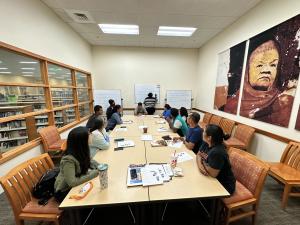
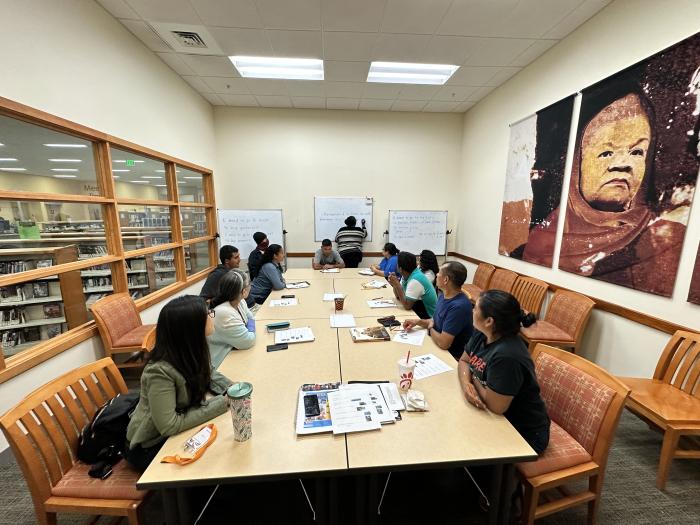
Beginning English classes are held twice weekly to help participants improve English language reading, writing, listening and speaking skills. Classes are held on Tuesday and Thursday evenings. Classes and class materials are free to everyone. Participants can practice their new skills at any of our ESOL conversation group meetings. Questions: Email abell@lexpublib.org.
-
Marksbury Family Branch - Classroom
Beginning English classes are held twice weekly to help participants improve English language reading, writing, listening and speaking skills. Classes are held on Tuesday and Thursday evenings. Classes and class materials are free to everyone. Participants can practice their new skills at any of our ESOL conversation group meetings. Questions: Email abell@lexpublib.org.
-
Marksbury Family Branch - Classroom
Beginning English classes are held twice weekly to help participants improve English language reading, writing, listening and speaking skills. Classes are held on Tuesday and Thursday evenings. Classes and class materials are free to everyone. Participants can practice their new skills at any of our ESOL conversation group meetings. Questions: Email abell@lexpublib.org.
-
Marksbury Family Branch - Classroom
Beginning English classes are held twice weekly to help participants improve English language reading, writing, listening and speaking skills. Classes are held on Tuesday and Thursday evenings. Classes and class materials are free to everyone. Participants can practice their new skills at any of our ESOL conversation group meetings. Questions: Email abell@lexpublib.org.
-
Marksbury Family Branch - Classroom
Beginning English classes are held twice weekly to help participants improve English language reading, writing, listening and speaking skills. Classes are held on Tuesday and Thursday evenings. Classes and class materials are free to everyone. Participants can practice their new skills at any of our ESOL conversation group meetings. Questions: Email abell@lexpublib.org.
-
Marksbury Family Branch - Classroom
Beginning English classes are held twice weekly to help participants improve English language reading, writing, listening and speaking skills. Classes are held on Tuesday and Thursday evenings. Classes and class materials are free to everyone. Participants can practice their new skills at any of our ESOL conversation group meetings. Questions: Email abell@lexpublib.org.
-
Marksbury Family Branch - Classroom
Beginning English classes are held twice weekly to help participants improve English language reading, writing, listening and speaking skills. Classes are held on Tuesday and Thursday evenings. Classes and class materials are free to everyone. Participants can practice their new skills at any of our ESOL conversation group meetings. Questions: Email abell@lexpublib.org.
-
Marksbury Family Branch - Classroom
Beginning English classes are held twice weekly to help participants improve English language reading, writing, listening and speaking skills. Classes are held on Tuesday and Thursday evenings. Classes and class materials are free to everyone. Participants can practice their new skills at any of our ESOL conversation group meetings. Questions: Email abell@lexpublib.org.
-
Marksbury Family Branch - Classroom
Beginning English classes are held twice weekly to help participants improve English language reading, writing, listening and speaking skills. Classes are held on Tuesday and Thursday evenings. Classes and class materials are free to everyone. Participants can practice their new skills at any of our ESOL conversation group meetings. Questions: Email abell@lexpublib.org.
-
Marksbury Family Branch - Classroom
Beginning English classes are held twice weekly to help participants improve English language reading, writing, listening and speaking skills. Classes are held on Tuesday and Thursday evenings. Classes and class materials are free to everyone. Participants can practice their new skills at any of our ESOL conversation group meetings. Questions: Email abell@lexpublib.org.
With your free library card, gain access to a diverse collection of print books, ebooks, audiobooks, online classes and databases, and more. You can apply for a traditional, wallet-sized card and key chain tag or a digital library card to add to your smartphone’s digital wallet (iOS and Android compatible).
-
Eastside Branch - Children's Program Room
Join us for a conversation with New York Times, Washington Post & USA Today bestseller Sarah MacLean, who wrote her first novel on a dare and never looked back. She is now one of today’s most influential voices in romance fiction.
Lexington Public Library is proud to host the 2026 Kentucky History and Genealogy Conference. This conference brings together historians, genealogists, researchers, and enthusiasts to explore the rich history and genealogical heritage of Kentucky.
The Digital Studio provides people of all skill levels the equipment, software, and AI creative tools for filmmaking, photography and digital art, music making, and media preservation.
Celebrate Women’s History Month at LPL
Throughout March, join us as we celebrate women’s contributions in local, state, and national history through programs, books, podcasts, archive materials, and more.
-
Tates Creek Branch - Flexible Space
Summary
-
Tates Creek Branch - Large Meeting Room
When people—particularly those who reside outside of the Bluegrass State—think of Kentucky, three things usually come to mind: bourbon, Colonel Sanders’ secret chicken recipe, and the glamourous Kentucky Derby. Add college basketball to that list, and you have yourself a superfecta.


The Undesign the Redline project unearths the deep and systemic history of structural racism and inequality in the United States. This interactive exhibit explores policies like Redlining, their implications for today, and what we can do to undesign them.
The exhibit was created by social impact design studio designing the WE and has been invited to dozens of cities across the country. A local advisory group has helped to produce local history and stories about Redlining in Lexington.
-
Eastside Branch - Children's Program Room
Pokémon Club is a monthly program providing young players with tools to learn and develop strategic thinking, math, and reading comprehension through the Pokémon Trading Card Game.
For ages 11-13


-
Central Library - Farish Theater
June 11: The Day The Earth Blew Up (PG)
June 17: Bad Guys 2 (PG)
June 25: GOAT (PG)
July 7: Hoppers (PG)
July 14: Zootopia 2 (PG)
July 22: Super Mario Galaxy Movie (PG)
-
Beaumont Branch - Collaborative Learning Space
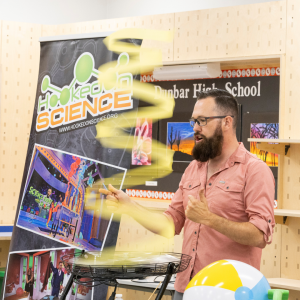
For large groups (10+), please call ahead. Visit lexpublib.org/summer for more Summer at the Library events.
-
Northside Branch - Story Room
After meeting Pikachu at 10:00 in the Large Meeting Room, stop by the Northside Story Room and Make a Pikachu craft!
-
Tates Creek Branch - Large Meeting Room
Move, sing, read, and play in this interactive storytime for toddlers and their caregivers. Recommended for ages 18 to 36 months.
-
Central Library - Meeting Room D
Join us for a fun craft activity on Wednesday afternoons in the summer! Materials provided while supplies last. Dress for mess please.
-
Central Library - Farish Theater
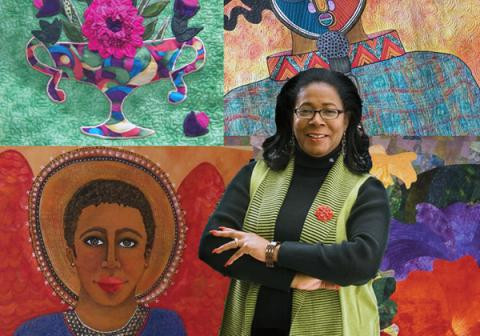
Based on historical records, secondary sources, and oral history interviews with quilters across Kentucky, Johnson discusses 19th century quilts made by black women living and working on slave plantations, traditional quilts made by African American women of the 20th century, as well as contemporary art quilts made by women of all cultural groups of the 21st century.