







Website Search
Search Website
Displaying results 551 - 575 of 918
-
Central Library - Kloiber Foundation STEAM Lab
Participants are welcome to drop-in anytime between 3:30-5:30 pm and stay as little or as long as you would like!
Children 7 and under must be accompanied by a responsible caregiver.
If you are planning on bringing a large group (10+ people) please contact our Experiential Learning Associate for accommodations. (859) 231-5500 ext. 1147
-
Central Library - Meeting Room D
Join us for a fun craft activity on Wednesday afternoons in the summer! Materials provided while supplies last. Dress for mess please.
-
Central Library - Children's Department Play Space
Play games, make crafts, have fun, and get a picture with our celebrity guests! Pete the Cat and the Very Hungry Caterpillar will visit the children's department in this special play program.
-
Central Library - Kloiber Foundation STEAM Lab
Participants are welcome to drop-in anytime between 3:30-5:30 pm and stay as little or as long as you would like!
Children 7 and under must be accompanied by a responsible caregiver.
If you are planning on bringing a large group (10+ people) please contact our Experiential Learning Associate for accommodations. (859) 231-5500 ext. 1147
-
Central Library - Farish Theater
Live jazz the second Thursday of every month.
-
Central Library - Kloiber Foundation STEAM Lab
Participants are welcome to drop in anytime during the program and stay as little or as long as they would like!
Children 7 and under must be accompanied by a responsible caregiver.
If you are planning on bringing a large group (10+ people) please contact our Experiential Learning Associate for accommodations. (859) 231-5500 ext. 1147
-
Central Library - Kloiber Foundation STEAM Lab
Join us in the Kloiber Foundation STEAM Lab to participate in STEAM challenges featuring beach balls! Families will create towers, race in a relay and more!
For Families
-
Central Library - Kloiber Foundation STEAM Lab
Participants are welcome to drop-in anytime between 3:30-5:30 pm and stay as little or as long as you would like!
Children 7 and under must be accompanied by a responsible caregiver.
If you are planning on bringing a large group (10+ people) please contact our Experiential Learning Associate for accommodations. (859) 231-5500 ext. 1147
-
Central Library - Meeting Room D
Join us for a fun craft activity on Wednesday afternoons in the summer! Materials provided while supplies last. Dress for mess please.
-
Central Library - Kloiber Foundation STEAM Lab
Participants are welcome to drop-in anytime between 3:30-5:30 pm and stay as little or as long as you would like!
Children 7 and under must be accompanied by a responsible caregiver.
If you are planning on bringing a large group (10+ people) please contact our Experiential Learning Associate for accommodations. (859) 231-5500 ext. 1147
-
Central Library - Kloiber Foundation STEAM Lab
Participants are welcome to drop-in anytime between 3:30-5:30 pm and stay as little or as long as you would like!
Children 7 and under must be accompanied by a responsible caregiver.
If you are planning on bringing a large group (10+ people) please contact our Experiential Learning Associate for accommodations. (859) 231-5500 ext. 1147
-
Central Library - Kloiber Foundation STEAM Lab
Join us in the Kloiber Foundation STEAM lab to experiment with light and shadow while creating UV bracelets, shadow art and more! For Families
-
Central Library - Kloiber Foundation STEAM Lab
Participants are welcome to drop-in anytime between 3:30-5:30 pm and stay as little or as long as you would like!
Children 7 and under must be accompanied by a responsible caregiver.
If you are planning on bringing a large group (10+ people) please contact our Experiential Learning Associate for accommodations. (859) 231-5500 ext. 1147
-
Central Library - Meeting Room D
Join us for a fun craft activity on Wednesday afternoons in the summer! Materials provided while supplies last. Dress for mess please.
-
Central Library - Kloiber Foundation STEAM Lab
Participants are welcome to drop-in anytime between 3:30-5:30 pm and stay as little or as long as you would like!
Children 7 and under must be accompanied by a responsible caregiver.
If you are planning on bringing a large group (10+ people) please contact our Experiential Learning Associate for accommodations. (859) 231-5500 ext. 1147
-
Central Library - Kloiber Foundation STEAM Lab
Participants are welcome to drop in anytime during the program and stay as little or as long as they would like!
Children 7 and under must be accompanied by a responsible caregiver.
If you are planning on bringing a large group (10+ people) please contact our Experiential Learning Associate for accommodations. (859) 231-5500 ext. 1147
-
Central Library - Kloiber Foundation STEAM Lab
Children 7 and under must be accompanied by a responsible caregiver. Please note that we will be building with the classic Lego bricks that contain small parts.
-
Central Library - Kloiber Foundation STEAM Lab
Join us to build a solar oven then make a yummy treat using the power of the sun! Weather permitting, a portion of this program will be outside.
For ages 8-17. Registration Required
-
Central Library
Free books for kids! Surprise guest appearances! Fun and games! Join us as we kick off Summer at the Library. For families. No registration required.
Webform
You can request a "Bag of Books" to access our materials when you're unable to browse in person. Complete this form, and we'll pull up to 10 items that match your specified interests. You can help us locate more items by keeping your requests general.
-
Central Library - Meeting Room B
Join Edwyn Rye for insight into the grants process! Edwyn is a graduate of Transylvania University and a long-time resident of Central Kentucky. He has worked with United Way of the Bluegrass on several grant applications with awards totaling over $250K.


Gallery
Eastside Branch Gallery
Exhibit Dates
-
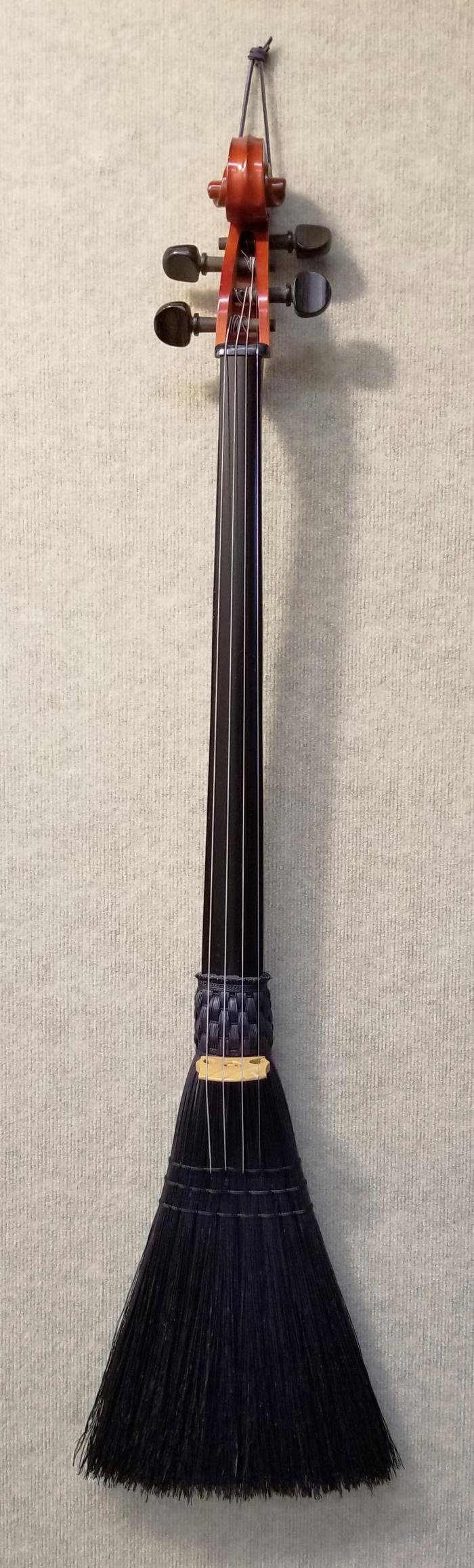
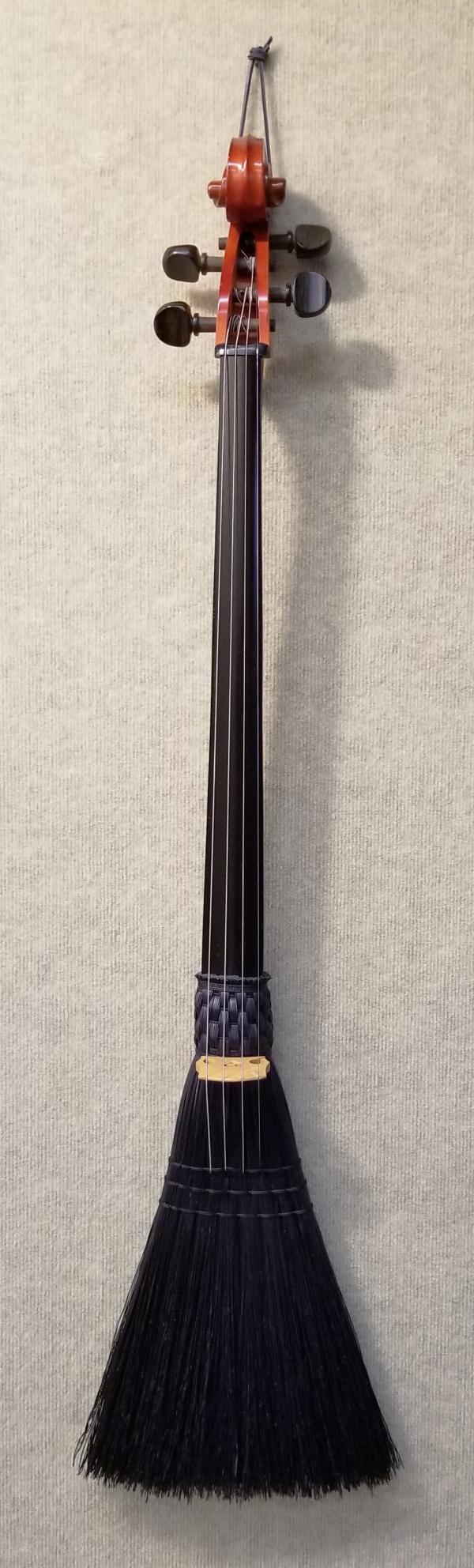
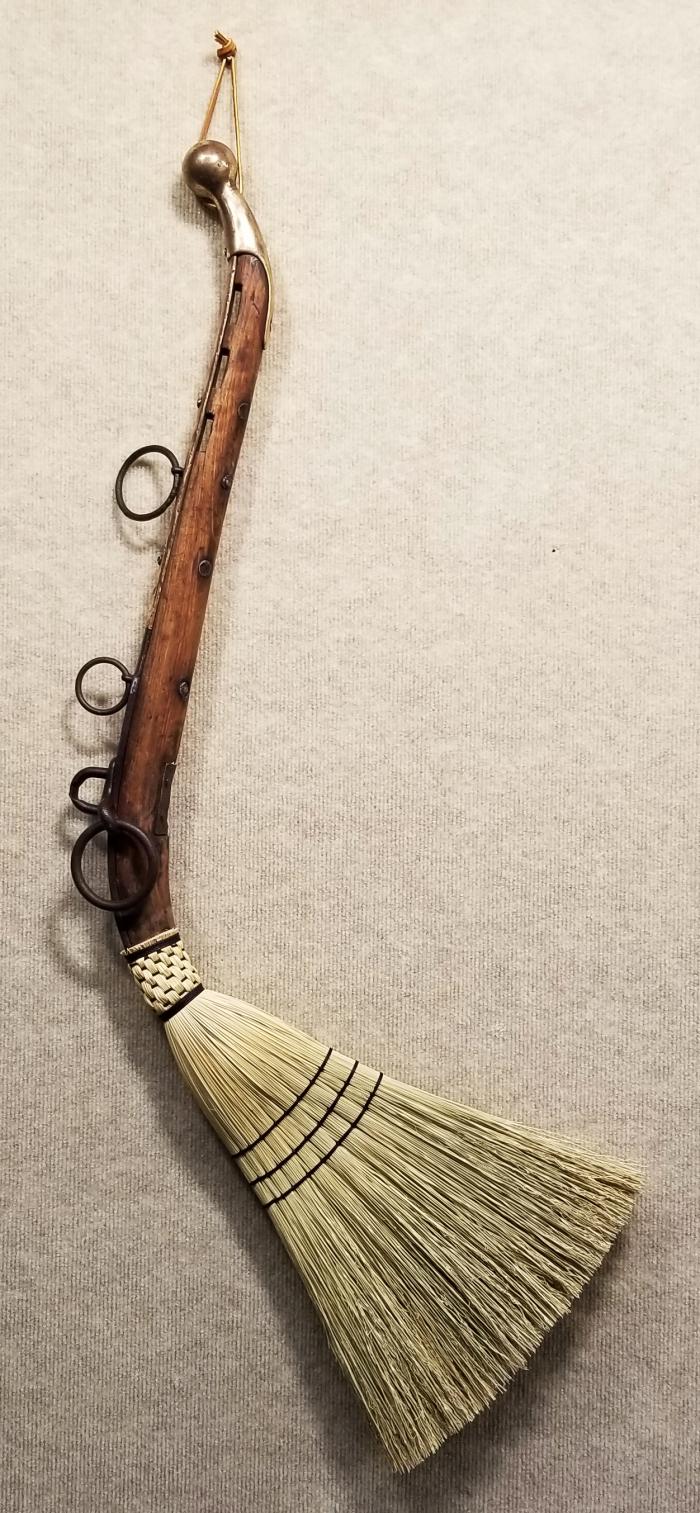
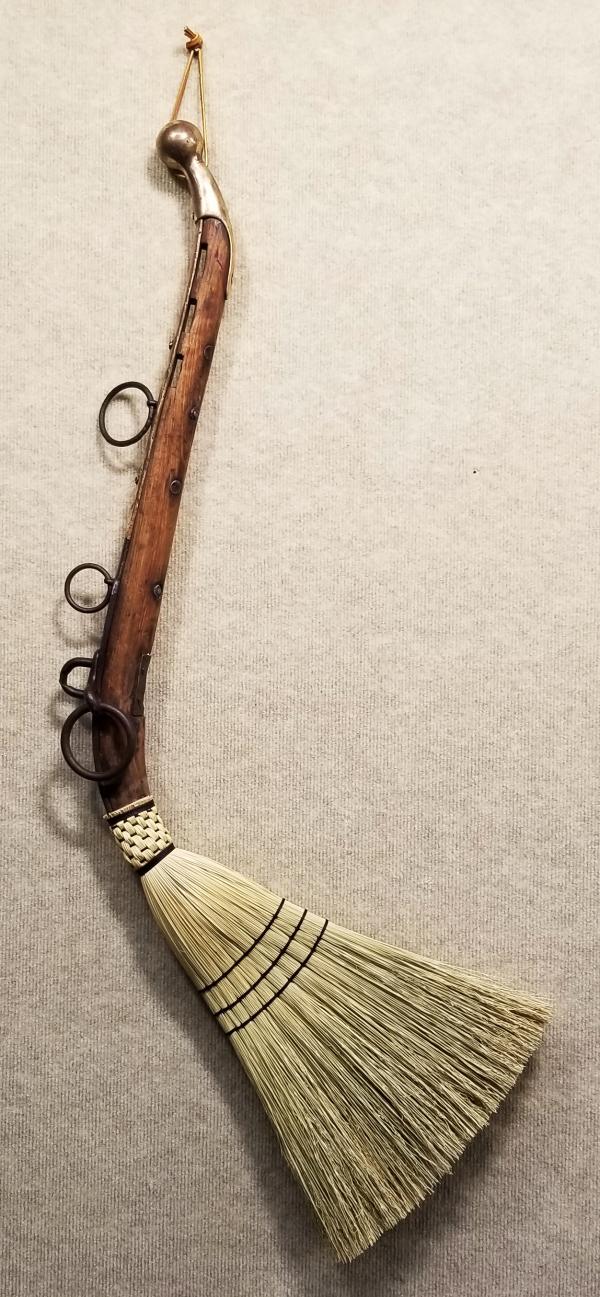
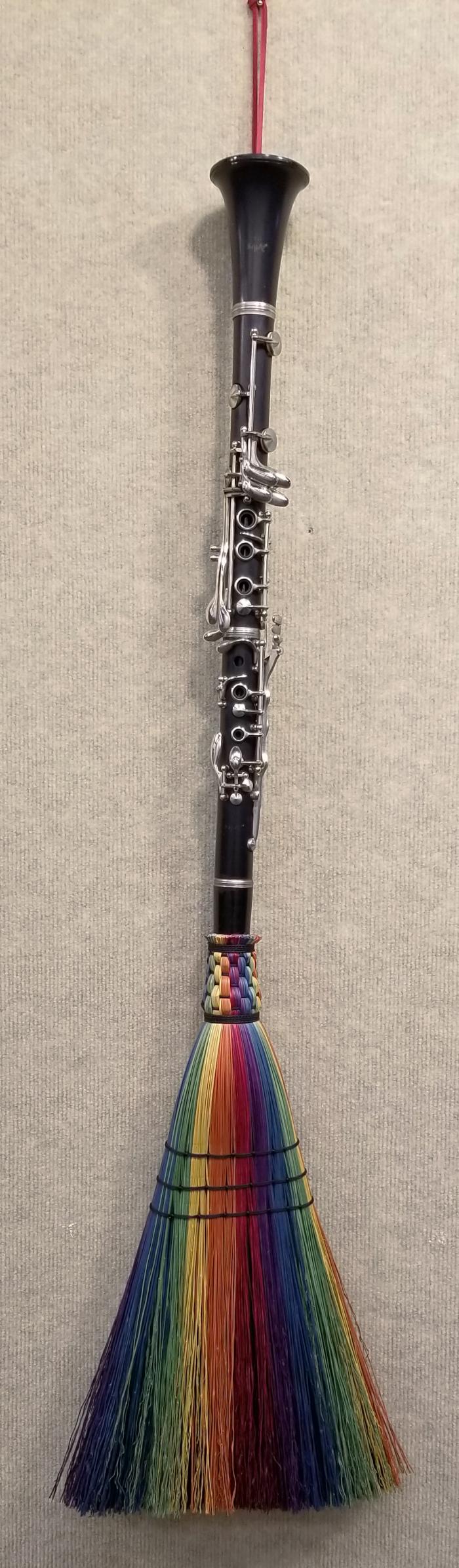
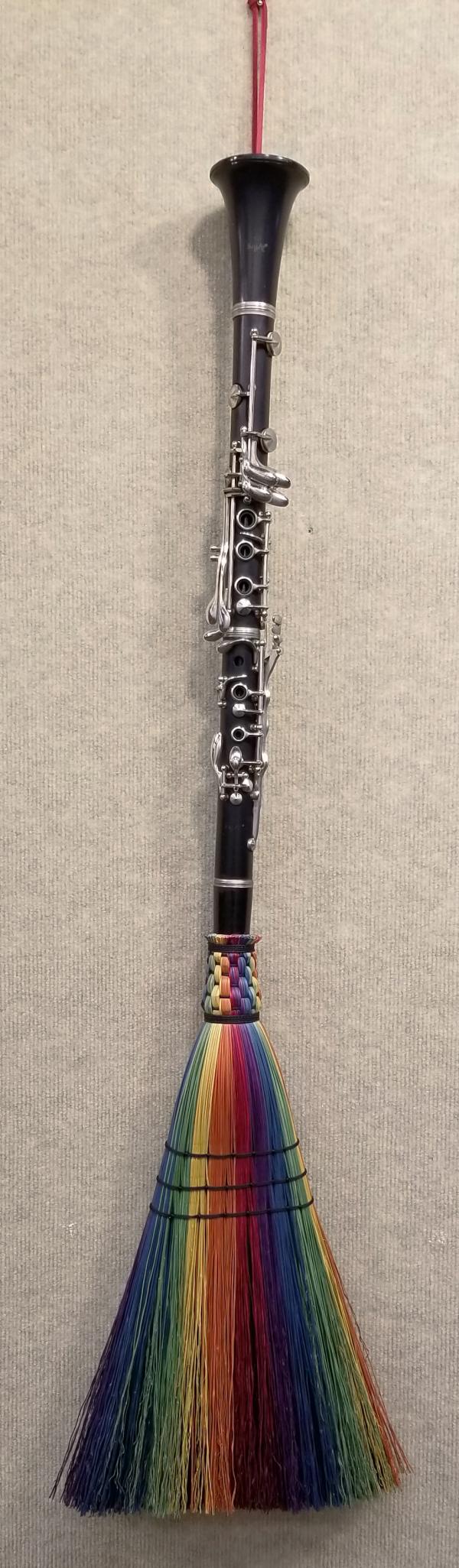
For more information about Shannon Lewis you can visit the artist website at https://www.bluegrassbrooms.com/.
Board of Trustees
Treasurer
Stephanie has been in the financial industry since 1993 and has a bachelor’s degree in finance is from the University of Kentucky. She is passionate about community involvement and that includes current board positions on the Lexington Public Library and a member of the finance council of the Diocese of Lexington. She is a past board member of Surgery on Sunday, Bluegrass Rape Crisis Center, the Lexington Chapter of the American Red Cross and a past Trustee for Lexington Catholic High School, which she chaired for several years.
Whether you're just starting out, changing careers, or returning to the workforce, finding a job can be tough. We can help you land the right position and answer your questions along the way.
Library News
Lexington, Kentucky (February 1, 2024) – This February, Lexington Public Library is proud to join the nation in celebrating Black History Month, a time dedicated to honoring the achievements, contributions, and rich cultural heritage of African Americans.