






Website Search
Search Website
Displaying results 476 - 500 of 819
-
Eastside Branch - Children's Program Room
Free lunch for youth from FCPS.
-
Eastside Branch - Children's Program Room
Free lunch for youth from FCPS.
-
Marksbury Family Branch - Community Room B
Customize a tote bag with patches that show off your style , Patch that tote lets you patch it, mix it and make it yours!
while supplies last. Teens and Tweens.
-
Eastside Branch - Children's Program Room
Free lunch for youth from FCPS.
-
Eastside Branch - Children's Program Room
Kids can try on wings and wave magic wands while practicing brushing, sorting foods, and exploring real dentist tools. Goodie bags included. For ages 2-7. No registration required.


-
Eastside Branch - Children's Program Room
Free lunch for youth from FCPS.
-
Eastside Branch - Children's Program Room
Enjoy books, music, movement, and activities that encourage early learning and promote school readiness. Recommended for ages 3-5.
-
Marksbury Family Branch - Community Room (A & B)
Free books for kids! Surprise guest appearances! Fun and games! Join us as we kick off Summer at the Library. For families. No registration required.
-
Eastside Branch - Children's Program Room
The weekly classes will be informal and guided by a moderator. EVERYONE is welcome - ANY native language, ANY English level. No registration needed. Practica ingles y conoce gente nueva. ¡Todos son bienvenidos! ¡Todos los idiomas, todos los niveles de ingles. Jifunze Kiingereza na kukutana na watu wapya. Kila mtu anakaribishwa!
-
Marksbury Family Branch
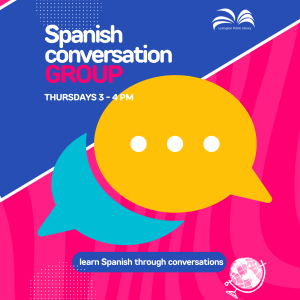
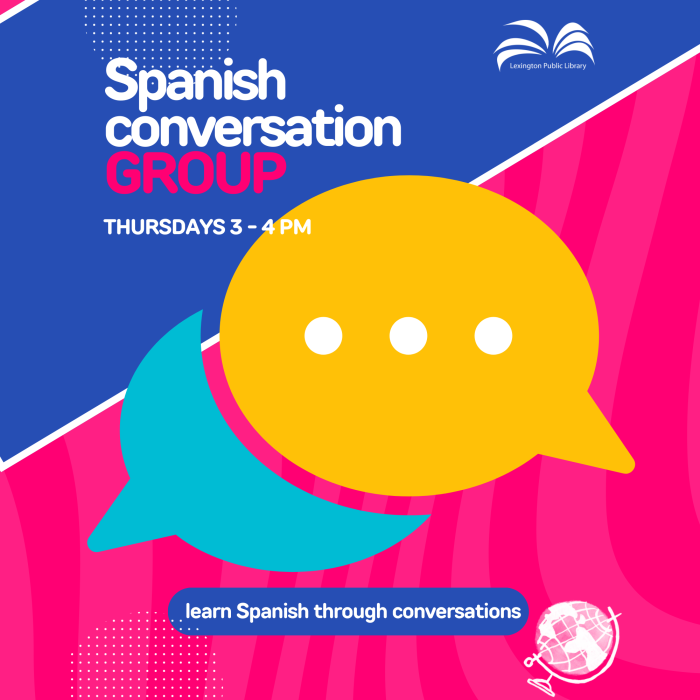
Are you interested in enhancing your Spanish speaking abilities? If so, we would like to invite you to our weekly group meeting. Our friendly group is open to everyone who wants to practice speaking Spanish in a supportive and welcoming environment. You will have the opportunity to meet new people who share your interest in the language and culture.
-
Eastside Branch - Children's Program Room
Free lunch for youth from FCPS.
-
Eastside Branch - Children's Program Room
Move, sing, read, and play in this interactive storytime for toddlers and their caregivers. Recommended for ages 18 to 36 months.
-
Eastside Branch - Children's Program Room
Free lunch for youth from FCPS.
-
Eastside Branch - Children's Program Room
Enjoy songs, bounces, stories, and social time for babies and their caregivers. Recommended for ages 0 to 18 months.
-
Eastside Branch - Children's Program Room
Free lunch for youth from FCPS.
-
Eastside Branch - Children's Program Room
Free lunch for youth from FCPS.
-
Eastside Branch - Children's Program Room
Free lunch for youth from FCPS.
-
Eastside Branch - Children's Program Room
Free lunch for youth from FCPS.
-
Eastside Branch - Children's Program Room
Enjoy books, music, movement, and activities that encourage early learning and promote school readiness. Recommended for ages 3-5.
-
Eastside Branch - Children's Program Room
Free lunch for youth from FCPS.
-
Eastside Branch - Children's Program Room
Free lunch for youth from FCPS.
-
Beaumont Branch
Registration is required; the book is available for pick up at the Beaumont Branch’s front desk. If you have any questions, please email mstout@lexpublib.org.


-
Eastside Branch - Children's Program Room
Move, sing, read, and play in this interactive storytime for toddlers and their caregivers. Recommended for ages 18 to 36 months.
-
Tates Creek Branch
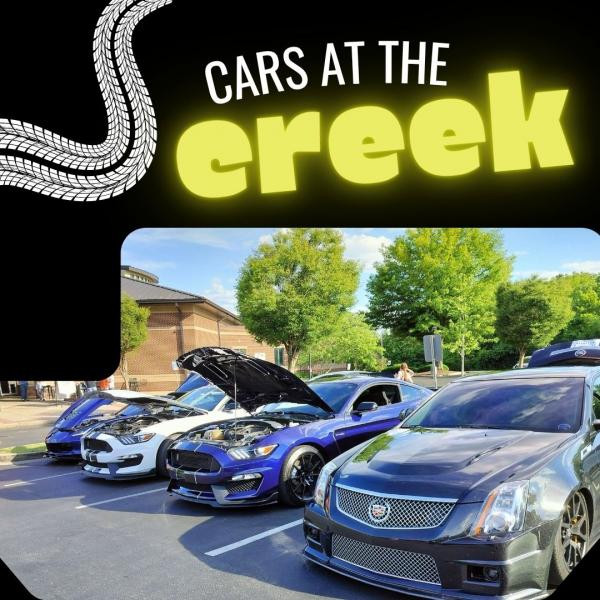
Visit the Tates Creek Branch after hours - see unique cars and show your own!

-
Eastside Branch - Children's Program Room
For ages 18 months to 3 years and their caregiver. No registration required.