







Lexington Public Library

Website Search

Search Website
Displaying results 101 - 125 of 183
Digital Archives - Collection
David Franklin “Frank” Milam (1918-2000) was born on January 9, 1918 in Charleston, West Virginia.  He married Zelda Bias in September of 1937.    
When the United States entered the war, Frank Milam was
Digital Archives - Collection
The Kentucky Military Institute was a military preparatory boarding school from 1845 to 1971, chartered by the state legislature in 1847. It had several homes, with the longest in Lyndon, Kentucky, outside of Louisville.
Digital Archives - Collection

Lena Hart Tobey (1869-1939) was born in Mississippi to Thomas and Susan Watson Hart. In the 1890s, she attended school in Lexington, Kentucky. She married Ellis Tobey in 1896 and died in 1939 in Arkansas.

Digital Archives - Collection
Founded in 1982 by Gigi Galore (Greg Butler) and Blanche Pink (Marlon Austin), the Imperial Court of Kentucky, Inc., is a nonprofit charity that supports the LGBTQ+ community of Kentucky “one dollar at a time” through drag shows, socia
Digital Archives - Collection

The Black Community News Collection compiles searchable newspaper articles and ads for local Black community events, schools, social gatherings, church events, obituaries, and wedding announcements in older local newspapers in the librar

The Materials Selection Policy was initially adopted February 25, 1987 by the Lexington Public Library Board of Trustees and was revised March 24, 1993. The Materials Selection Policy was updated and renamed the Collection Development Policy which was approved by the Board on January 14, 2009. The Board of Trustees assumes full responsibility for all legal actions which may result from the implementation of any policies stated herein.

Primary Page

Read articles from magazines and journals, learn a new language, or locate a newspaper article. These resources can't be found with a search engine but are available for free with your library card.

Highlight

This is your gateway to our most popular resources.  Search for books and eBooks, access tools for research and learning, and discover our unique collection of genealogy and local history materials.

The Daily Lexington Atlas ran from late 1847 through early 1849 and was Lexington’s first daily paper, and the first to publish information from the telegraph lines. It is described by William Perrin in his 1882 History of Fayette County Kentucky as a “red-hot Whig and fiery southern” publication. It contains some articles and editorials that are overtly racist, as the editors favored slavery, then emancipation only if the freed African Americans were immediately sent to Liberia. It covers the 1848 presidential election and the local election for Kentucky Governor. Perrin claims the paper had an extensive subscriber list, but had to “give up the ghost after several months disastrous experience” due to the expense of the paper.

All Digital Archives Collections

Etta Evans Gilmore was born in Fleming County, Kentucky, on February 4, 1885, to Robert Evans and Matilda Fawns. She married Henry Steele Gilmore, a Bath County physician, around 1906. Their son Robert was born in 1906 and daughter…

Program features the activities and accomplishments of the previous year’s Empress and Emperor while providing the layout of the current year’s coronation proceedings. Features advertisements for local businesses and photographs of the…

The Independent Gazetteer was founded and printed by James Charless in 1803, with ads appearing in the Kentucky Gazette about its upcoming publication. The first issue was printed March 29, 1803. The paper was later sold to Robert Kay…

431 West 3rd Street. August 1984

The Kentucky Leader was published from 1888 until the name changed in 1895 to the Daily Leader. They focused on local and national news. The Daily Leader was published from 1895-1901 until the name was changed to the Lexington Leader.…

The Daily Argonaut began in 1895 and seems to have ceased publication in 1899. This collection includes scattered issues from 1895, 1896, 1897 and 1898.

This collection consists of Black community news published under the headline “Colored Churches,” “In Colored Circles,” or “Colored Notes”; and other articles of social interest, including marriages, public events, and obituaries.

The Kentucky Gazette was the first paper established west of the Allegheny Mountains. The frontier paper focused on East Coast and International news, though some local announcements can be found. Later, the paper focused on…

The diary (ca. 1899) of Katherine Pettit, details her settlement work for the Kentucky Confederation of Women's Clubs, made yearly trips to Hazard during this period and was a central figure in establishing the Hindman (Kentucky)…

The True American was an anti-slavery newspaper started by Cassius Marcellus Clay in June 1845. He ran the paper in Lexington until August of 1845, when he published an article deemed so incendiary that at court injunction was issued…

Compiled by Cyrus Parker Jones, a man formerly enslaved by the Parker family, these funeral notices cover 667 funerals of individuals in Lexington, including seven free blacks. The funeral notices cover the years 1806-1886. Jones…

This work contains information about French Emigrants to America over the years 1789-1799, and provides a history of the French Revolution. The work was originally in French, and was translated into English by an anonymous translator…

This is a handwritten series of lectures detailing Samuel D. McCullough's memories of his childhood and life in Lexington, Kentucky, accompanied by letters and a photograph of his house.

The Eastern Kentucky Review contains articles about Eastern Kentucky State Teachers College. This particular issue contains photos of buildings, graduating seniors, students, clubs, and activities, and includes photos and information…

The Kentucky Reporter is the weekly continuation of The Reporter, which changed names in October 1817. It reports on local and national news. 1827 is the only semi-weekly run of this newspaper.

The Reporter was a weekly Republican paper, occasionally semi-weekly when Congress was in session. Continued publication throughout the War of 1812.

The Lexington Weekly Press was published every Wednesday in Lexington, Kentucky, and contained local, state, and foreign news. The paper focused on Central Kentucky’s “agriculture, manufactures and fine stock”, as well as literary and…

The Daily Lexington Atlas ran from late 1847 through early 1849 and was Lexington’s first daily paper, and the first to publish information from the telegraph lines. It is described by William Perrin in his 1882 History of Fayette…

The Elmer L. Foote Collection is a group of 190 lantern slides. They were created by Elmer L. Foote, a Cincinnati photographer and library staff member whose pictures appeared in the Cincinnati Commercial Tribune.

This collection of letters to and from portrait artist Sudduth Goff (1887-1965) is part of the library's Duncan-Goff scrapbook collection.

This letter collection was collected by Judge Kenneth Lyons. The earliest date of the letters is 1862, from Bourbon and Nicholas Counties, Kentucky. Some letters are fragments.

This half of the record book contains burial records for St. Paul Catholic Church parishioners.

The 1906-07 Lexington cross directory contains residential and business information for the city, arranged both alphabetically and by street, with a business listing by category. It also contains city officials and departments, and…

Scans of the Black Marriage records from the Courthouse in Greenville, Kentucky.

The city report covers the outline of a citizen participation work plan and its connection with neighborhood groups, as well as the results of those meetings and community concerns that took place throughout 1969. It contains…

Letters to and from Father William T. Punch (1874-1933). Father Punch was instrumental in building the 3rd St. Peter Catholic Church on Barr Street in Lexington, KY.

Letters to and from Father William T. Punch (1874-1933). Father Punch was instrumental in building the 3rd St. Peter Catholic Church on Barr Street in Lexington, KY.

All Digital Archives Collections

Etta Evans Gilmore was born in Fleming County, Kentucky, on February 4, 1885, to Robert Evans and Matilda Fawns. She married Henry Steele Gilmore, a Bath County physician, around 1906. Their son Robert was born in 1906 and daughter…

Program features the activities and accomplishments of the previous year’s Empress and Emperor while providing the layout of the current year’s coronation proceedings. Features advertisements for local businesses and photographs of the…

The Independent Gazetteer was founded and printed by James Charless in 1803, with ads appearing in the Kentucky Gazette about its upcoming publication. The first issue was printed March 29, 1803. The paper was later sold to Robert Kay…

431 West 3rd Street. August 1984

The Kentucky Leader was published from 1888 until the name changed in 1895 to the Daily Leader. They focused on local and national news. The Daily Leader was published from 1895-1901 until the name was changed to the Lexington Leader.…

The Daily Argonaut began in 1895 and seems to have ceased publication in 1899. This collection includes scattered issues from 1895, 1896, 1897 and 1898.

This collection consists of Black community news published under the headline “Colored Churches,” “In Colored Circles,” or “Colored Notes”; and other articles of social interest, including marriages, public events, and obituaries.

The Kentucky Gazette was the first paper established west of the Allegheny Mountains. The frontier paper focused on East Coast and International news, though some local announcements can be found. Later, the paper focused on…

The diary (ca. 1899) of Katherine Pettit, details her settlement work for the Kentucky Confederation of Women's Clubs, made yearly trips to Hazard during this period and was a central figure in establishing the Hindman (Kentucky)…

The True American was an anti-slavery newspaper started by Cassius Marcellus Clay in June 1845. He ran the paper in Lexington until August of 1845, when he published an article deemed so incendiary that at court injunction was issued…

Compiled by Cyrus Parker Jones, a man formerly enslaved by the Parker family, these funeral notices cover 667 funerals of individuals in Lexington, including seven free blacks. The funeral notices cover the years 1806-1886. Jones…

This work contains information about French Emigrants to America over the years 1789-1799, and provides a history of the French Revolution. The work was originally in French, and was translated into English by an anonymous translator…

This is a handwritten series of lectures detailing Samuel D. McCullough's memories of his childhood and life in Lexington, Kentucky, accompanied by letters and a photograph of his house.

The Eastern Kentucky Review contains articles about Eastern Kentucky State Teachers College. This particular issue contains photos of buildings, graduating seniors, students, clubs, and activities, and includes photos and information…

The Kentucky Reporter is the weekly continuation of The Reporter, which changed names in October 1817. It reports on local and national news. 1827 is the only semi-weekly run of this newspaper.

The Reporter was a weekly Republican paper, occasionally semi-weekly when Congress was in session. Continued publication throughout the War of 1812.

The Lexington Weekly Press was published every Wednesday in Lexington, Kentucky, and contained local, state, and foreign news. The paper focused on Central Kentucky’s “agriculture, manufactures and fine stock”, as well as literary and…

The Daily Lexington Atlas ran from late 1847 through early 1849 and was Lexington’s first daily paper, and the first to publish information from the telegraph lines. It is described by William Perrin in his 1882 History of Fayette…

The Elmer L. Foote Collection is a group of 190 lantern slides. They were created by Elmer L. Foote, a Cincinnati photographer and library staff member whose pictures appeared in the Cincinnati Commercial Tribune.

This collection of letters to and from portrait artist Sudduth Goff (1887-1965) is part of the library's Duncan-Goff scrapbook collection.

This letter collection was collected by Judge Kenneth Lyons. The earliest date of the letters is 1862, from Bourbon and Nicholas Counties, Kentucky. Some letters are fragments.

This half of the record book contains burial records for St. Paul Catholic Church parishioners.

The 1906-07 Lexington cross directory contains residential and business information for the city, arranged both alphabetically and by street, with a business listing by category. It also contains city officials and departments, and…

Scans of the Black Marriage records from the Courthouse in Greenville, Kentucky.

The city report covers the outline of a citizen participation work plan and its connection with neighborhood groups, as well as the results of those meetings and community concerns that took place throughout 1969. It contains…

Letters to and from Father William T. Punch (1874-1933). Father Punch was instrumental in building the 3rd St. Peter Catholic Church on Barr Street in Lexington, KY.

The city report covers the outline of a citizen participation work plan and its connection with neighborhood groups, as well as the results of those meetings and community concerns that took place throughout 1969. It contains neighborhood maps, images of news articles, and and project methodology.

All Digital Archives Collections

Etta Evans Gilmore was born in Fleming County, Kentucky, on February 4, 1885, to Robert Evans and Matilda Fawns. She married Henry Steele Gilmore, a Bath County physician, around 1906. Their son Robert was born in 1906 and daughter…

Program features the activities and accomplishments of the previous year’s Empress and Emperor while providing the layout of the current year’s coronation proceedings. Features advertisements for local businesses and photographs of the…

The Independent Gazetteer was founded and printed by James Charless in 1803, with ads appearing in the Kentucky Gazette about its upcoming publication. The first issue was printed March 29, 1803. The paper was later sold to Robert Kay…

431 West 3rd Street. August 1984

The Kentucky Leader was published from 1888 until the name changed in 1895 to the Daily Leader. They focused on local and national news. The Daily Leader was published from 1895-1901 until the name was changed to the Lexington Leader.…

The Daily Argonaut began in 1895 and seems to have ceased publication in 1899. This collection includes scattered issues from 1895, 1896, 1897 and 1898.

This collection consists of Black community news published under the headline “Colored Churches,” “In Colored Circles,” or “Colored Notes”; and other articles of social interest, including marriages, public events, and obituaries.

The Kentucky Gazette was the first paper established west of the Allegheny Mountains. The frontier paper focused on East Coast and International news, though some local announcements can be found. Later, the paper focused on…

The diary (ca. 1899) of Katherine Pettit, details her settlement work for the Kentucky Confederation of Women's Clubs, made yearly trips to Hazard during this period and was a central figure in establishing the Hindman (Kentucky)…

The True American was an anti-slavery newspaper started by Cassius Marcellus Clay in June 1845. He ran the paper in Lexington until August of 1845, when he published an article deemed so incendiary that at court injunction was issued…

Compiled by Cyrus Parker Jones, a man formerly enslaved by the Parker family, these funeral notices cover 667 funerals of individuals in Lexington, including seven free blacks. The funeral notices cover the years 1806-1886. Jones…

This work contains information about French Emigrants to America over the years 1789-1799, and provides a history of the French Revolution. The work was originally in French, and was translated into English by an anonymous translator…

This is a handwritten series of lectures detailing Samuel D. McCullough's memories of his childhood and life in Lexington, Kentucky, accompanied by letters and a photograph of his house.

The Eastern Kentucky Review contains articles about Eastern Kentucky State Teachers College. This particular issue contains photos of buildings, graduating seniors, students, clubs, and activities, and includes photos and information…

The Kentucky Reporter is the weekly continuation of The Reporter, which changed names in October 1817. It reports on local and national news. 1827 is the only semi-weekly run of this newspaper.

The Reporter was a weekly Republican paper, occasionally semi-weekly when Congress was in session. Continued publication throughout the War of 1812.

The Lexington Weekly Press was published every Wednesday in Lexington, Kentucky, and contained local, state, and foreign news. The paper focused on Central Kentucky’s “agriculture, manufactures and fine stock”, as well as literary and…

The Daily Lexington Atlas ran from late 1847 through early 1849 and was Lexington’s first daily paper, and the first to publish information from the telegraph lines. It is described by William Perrin in his 1882 History of Fayette…

The Elmer L. Foote Collection is a group of 190 lantern slides. They were created by Elmer L. Foote, a Cincinnati photographer and library staff member whose pictures appeared in the Cincinnati Commercial Tribune.

This collection of letters to and from portrait artist Sudduth Goff (1887-1965) is part of the library's Duncan-Goff scrapbook collection.

This letter collection was collected by Judge Kenneth Lyons. The earliest date of the letters is 1862, from Bourbon and Nicholas Counties, Kentucky. Some letters are fragments.

This half of the record book contains burial records for St. Paul Catholic Church parishioners.

The 1906-07 Lexington cross directory contains residential and business information for the city, arranged both alphabetically and by street, with a business listing by category. It also contains city officials and departments, and…

Scans of the Black Marriage records from the Courthouse in Greenville, Kentucky.

The city report covers the outline of a citizen participation work plan and its connection with neighborhood groups, as well as the results of those meetings and community concerns that took place throughout 1969. It contains…

Letters to and from Father William T. Punch (1874-1933). Father Punch was instrumental in building the 3rd St. Peter Catholic Church on Barr Street in Lexington, KY.

This is a handwritten series of lectures detailing Samuel D. McCullough's memories of his childhood and life in Lexington, Kentucky, accompanied by letters and a photograph of his house.

All Digital Archives Collections

Etta Evans Gilmore was born in Fleming County, Kentucky, on February 4, 1885, to Robert Evans and Matilda Fawns. She married Henry Steele Gilmore, a Bath County physician, around 1906. Their son Robert was born in 1906 and daughter…

Program features the activities and accomplishments of the previous year’s Empress and Emperor while providing the layout of the current year’s coronation proceedings. Features advertisements for local businesses and photographs of the…

The Independent Gazetteer was founded and printed by James Charless in 1803, with ads appearing in the Kentucky Gazette about its upcoming publication. The first issue was printed March 29, 1803. The paper was later sold to Robert Kay…

431 West 3rd Street. August 1984

The Kentucky Leader was published from 1888 until the name changed in 1895 to the Daily Leader. They focused on local and national news. The Daily Leader was published from 1895-1901 until the name was changed to the Lexington Leader.…

The Daily Argonaut began in 1895 and seems to have ceased publication in 1899. This collection includes scattered issues from 1895, 1896, 1897 and 1898.

This collection consists of Black community news published under the headline “Colored Churches,” “In Colored Circles,” or “Colored Notes”; and other articles of social interest, including marriages, public events, and obituaries.

The Kentucky Gazette was the first paper established west of the Allegheny Mountains. The frontier paper focused on East Coast and International news, though some local announcements can be found. Later, the paper focused on…

The diary (ca. 1899) of Katherine Pettit, details her settlement work for the Kentucky Confederation of Women's Clubs, made yearly trips to Hazard during this period and was a central figure in establishing the Hindman (Kentucky)…

The True American was an anti-slavery newspaper started by Cassius Marcellus Clay in June 1845. He ran the paper in Lexington until August of 1845, when he published an article deemed so incendiary that at court injunction was issued…

Compiled by Cyrus Parker Jones, a man formerly enslaved by the Parker family, these funeral notices cover 667 funerals of individuals in Lexington, including seven free blacks. The funeral notices cover the years 1806-1886. Jones…

This work contains information about French Emigrants to America over the years 1789-1799, and provides a history of the French Revolution. The work was originally in French, and was translated into English by an anonymous translator…

This is a handwritten series of lectures detailing Samuel D. McCullough's memories of his childhood and life in Lexington, Kentucky, accompanied by letters and a photograph of his house.

The Eastern Kentucky Review contains articles about Eastern Kentucky State Teachers College. This particular issue contains photos of buildings, graduating seniors, students, clubs, and activities, and includes photos and information…

The Kentucky Reporter is the weekly continuation of The Reporter, which changed names in October 1817. It reports on local and national news. 1827 is the only semi-weekly run of this newspaper.

The Reporter was a weekly Republican paper, occasionally semi-weekly when Congress was in session. Continued publication throughout the War of 1812.

The Lexington Weekly Press was published every Wednesday in Lexington, Kentucky, and contained local, state, and foreign news. The paper focused on Central Kentucky’s “agriculture, manufactures and fine stock”, as well as literary and…

The Daily Lexington Atlas ran from late 1847 through early 1849 and was Lexington’s first daily paper, and the first to publish information from the telegraph lines. It is described by William Perrin in his 1882 History of Fayette…

The Elmer L. Foote Collection is a group of 190 lantern slides. They were created by Elmer L. Foote, a Cincinnati photographer and library staff member whose pictures appeared in the Cincinnati Commercial Tribune.

This collection of letters to and from portrait artist Sudduth Goff (1887-1965) is part of the library's Duncan-Goff scrapbook collection.

This letter collection was collected by Judge Kenneth Lyons. The earliest date of the letters is 1862, from Bourbon and Nicholas Counties, Kentucky. Some letters are fragments.

This half of the record book contains burial records for St. Paul Catholic Church parishioners.

The 1906-07 Lexington cross directory contains residential and business information for the city, arranged both alphabetically and by street, with a business listing by category. It also contains city officials and departments, and…

Scans of the Black Marriage records from the Courthouse in Greenville, Kentucky.

The city report covers the outline of a citizen participation work plan and its connection with neighborhood groups, as well as the results of those meetings and community concerns that took place throughout 1969. It contains…

Letters to and from Father William T. Punch (1874-1933). Father Punch was instrumental in building the 3rd St. Peter Catholic Church on Barr Street in Lexington, KY.

This work contains information about French Emigrants to America over the years 1789-1799, and provides a history of the French Revolution. The work was originally in French, and was translated into English by an anonymous translator using the pen name, "A Lady." Published in 1800 in Lexington, KY

All Digital Archives Collections

Etta Evans Gilmore was born in Fleming County, Kentucky, on February 4, 1885, to Robert Evans and Matilda Fawns. She married Henry Steele Gilmore, a Bath County physician, around 1906. Their son Robert was born in 1906 and daughter…

Program features the activities and accomplishments of the previous year’s Empress and Emperor while providing the layout of the current year’s coronation proceedings. Features advertisements for local businesses and photographs of the…

The Independent Gazetteer was founded and printed by James Charless in 1803, with ads appearing in the Kentucky Gazette about its upcoming publication. The first issue was printed March 29, 1803. The paper was later sold to Robert Kay…

431 West 3rd Street. August 1984

The Kentucky Leader was published from 1888 until the name changed in 1895 to the Daily Leader. They focused on local and national news. The Daily Leader was published from 1895-1901 until the name was changed to the Lexington Leader.…

The Daily Argonaut began in 1895 and seems to have ceased publication in 1899. This collection includes scattered issues from 1895, 1896, 1897 and 1898.

This collection consists of Black community news published under the headline “Colored Churches,” “In Colored Circles,” or “Colored Notes”; and other articles of social interest, including marriages, public events, and obituaries.

The Kentucky Gazette was the first paper established west of the Allegheny Mountains. The frontier paper focused on East Coast and International news, though some local announcements can be found. Later, the paper focused on…

The diary (ca. 1899) of Katherine Pettit, details her settlement work for the Kentucky Confederation of Women's Clubs, made yearly trips to Hazard during this period and was a central figure in establishing the Hindman (Kentucky)…

The True American was an anti-slavery newspaper started by Cassius Marcellus Clay in June 1845. He ran the paper in Lexington until August of 1845, when he published an article deemed so incendiary that at court injunction was issued…

Compiled by Cyrus Parker Jones, a man formerly enslaved by the Parker family, these funeral notices cover 667 funerals of individuals in Lexington, including seven free blacks. The funeral notices cover the years 1806-1886. Jones…

This work contains information about French Emigrants to America over the years 1789-1799, and provides a history of the French Revolution. The work was originally in French, and was translated into English by an anonymous translator…

This is a handwritten series of lectures detailing Samuel D. McCullough's memories of his childhood and life in Lexington, Kentucky, accompanied by letters and a photograph of his house.

The Eastern Kentucky Review contains articles about Eastern Kentucky State Teachers College. This particular issue contains photos of buildings, graduating seniors, students, clubs, and activities, and includes photos and information…

The Kentucky Reporter is the weekly continuation of The Reporter, which changed names in October 1817. It reports on local and national news. 1827 is the only semi-weekly run of this newspaper.

The Reporter was a weekly Republican paper, occasionally semi-weekly when Congress was in session. Continued publication throughout the War of 1812.

The Lexington Weekly Press was published every Wednesday in Lexington, Kentucky, and contained local, state, and foreign news. The paper focused on Central Kentucky’s “agriculture, manufactures and fine stock”, as well as literary and…

The Daily Lexington Atlas ran from late 1847 through early 1849 and was Lexington’s first daily paper, and the first to publish information from the telegraph lines. It is described by William Perrin in his 1882 History of Fayette…

The Elmer L. Foote Collection is a group of 190 lantern slides. They were created by Elmer L. Foote, a Cincinnati photographer and library staff member whose pictures appeared in the Cincinnati Commercial Tribune.

This collection of letters to and from portrait artist Sudduth Goff (1887-1965) is part of the library's Duncan-Goff scrapbook collection.

This letter collection was collected by Judge Kenneth Lyons. The earliest date of the letters is 1862, from Bourbon and Nicholas Counties, Kentucky. Some letters are fragments.

This half of the record book contains burial records for St. Paul Catholic Church parishioners.

The 1906-07 Lexington cross directory contains residential and business information for the city, arranged both alphabetically and by street, with a business listing by category. It also contains city officials and departments, and…

Scans of the Black Marriage records from the Courthouse in Greenville, Kentucky.

The city report covers the outline of a citizen participation work plan and its connection with neighborhood groups, as well as the results of those meetings and community concerns that took place throughout 1969. It contains…

Letters to and from Father William T. Punch (1874-1933). Father Punch was instrumental in building the 3rd St. Peter Catholic Church on Barr Street in Lexington, KY.

This collection consists of Black community news published under the headline “Colored Churches,” “In Colored Circles,” or “Colored Notes”; and other articles of social interest, including marriages, public events, and obituaries.

All Digital Archives Collections

Etta Evans Gilmore was born in Fleming County, Kentucky, on February 4, 1885, to Robert Evans and Matilda Fawns. She married Henry Steele Gilmore, a Bath County physician, around 1906. Their son Robert was born in 1906 and daughter…

Program features the activities and accomplishments of the previous year’s Empress and Emperor while providing the layout of the current year’s coronation proceedings. Features advertisements for local businesses and photographs of the…

The Independent Gazetteer was founded and printed by James Charless in 1803, with ads appearing in the Kentucky Gazette about its upcoming publication. The first issue was printed March 29, 1803. The paper was later sold to Robert Kay…

431 West 3rd Street. August 1984

The Kentucky Leader was published from 1888 until the name changed in 1895 to the Daily Leader. They focused on local and national news. The Daily Leader was published from 1895-1901 until the name was changed to the Lexington Leader.…

The Daily Argonaut began in 1895 and seems to have ceased publication in 1899. This collection includes scattered issues from 1895, 1896, 1897 and 1898.

This collection consists of Black community news published under the headline “Colored Churches,” “In Colored Circles,” or “Colored Notes”; and other articles of social interest, including marriages, public events, and obituaries.

The Kentucky Gazette was the first paper established west of the Allegheny Mountains. The frontier paper focused on East Coast and International news, though some local announcements can be found. Later, the paper focused on…

The diary (ca. 1899) of Katherine Pettit, details her settlement work for the Kentucky Confederation of Women's Clubs, made yearly trips to Hazard during this period and was a central figure in establishing the Hindman (Kentucky)…

The True American was an anti-slavery newspaper started by Cassius Marcellus Clay in June 1845. He ran the paper in Lexington until August of 1845, when he published an article deemed so incendiary that at court injunction was issued…

Compiled by Cyrus Parker Jones, a man formerly enslaved by the Parker family, these funeral notices cover 667 funerals of individuals in Lexington, including seven free blacks. The funeral notices cover the years 1806-1886. Jones…

This work contains information about French Emigrants to America over the years 1789-1799, and provides a history of the French Revolution. The work was originally in French, and was translated into English by an anonymous translator…

This is a handwritten series of lectures detailing Samuel D. McCullough's memories of his childhood and life in Lexington, Kentucky, accompanied by letters and a photograph of his house.

The Eastern Kentucky Review contains articles about Eastern Kentucky State Teachers College. This particular issue contains photos of buildings, graduating seniors, students, clubs, and activities, and includes photos and information…

The Kentucky Reporter is the weekly continuation of The Reporter, which changed names in October 1817. It reports on local and national news. 1827 is the only semi-weekly run of this newspaper.

The Reporter was a weekly Republican paper, occasionally semi-weekly when Congress was in session. Continued publication throughout the War of 1812.

The Lexington Weekly Press was published every Wednesday in Lexington, Kentucky, and contained local, state, and foreign news. The paper focused on Central Kentucky’s “agriculture, manufactures and fine stock”, as well as literary and…

The Daily Lexington Atlas ran from late 1847 through early 1849 and was Lexington’s first daily paper, and the first to publish information from the telegraph lines. It is described by William Perrin in his 1882 History of Fayette…

The Elmer L. Foote Collection is a group of 190 lantern slides. They were created by Elmer L. Foote, a Cincinnati photographer and library staff member whose pictures appeared in the Cincinnati Commercial Tribune.

This collection of letters to and from portrait artist Sudduth Goff (1887-1965) is part of the library's Duncan-Goff scrapbook collection.

This letter collection was collected by Judge Kenneth Lyons. The earliest date of the letters is 1862, from Bourbon and Nicholas Counties, Kentucky. Some letters are fragments.

This half of the record book contains burial records for St. Paul Catholic Church parishioners.

The 1906-07 Lexington cross directory contains residential and business information for the city, arranged both alphabetically and by street, with a business listing by category. It also contains city officials and departments, and…

Scans of the Black Marriage records from the Courthouse in Greenville, Kentucky.

The city report covers the outline of a citizen participation work plan and its connection with neighborhood groups, as well as the results of those meetings and community concerns that took place throughout 1969. It contains…

Letters to and from Father William T. Punch (1874-1933). Father Punch was instrumental in building the 3rd St. Peter Catholic Church on Barr Street in Lexington, KY.

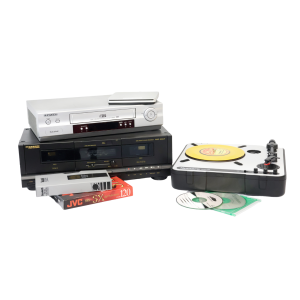
Thank you for thinking of the Friends Book Cellar for donating your: books, CDs, DVDs, and current year magazines.

The Elmer L. Foote Collection is a group of 190 lantern slides. They were created by Elmer L. Foote, a Cincinnati photographer and library staff member whose pictures appeared in the Cincinnati Commercial Tribune.

All Digital Archives Collections

Etta Evans Gilmore was born in Fleming County, Kentucky, on February 4, 1885, to Robert Evans and Matilda Fawns. She married Henry Steele Gilmore, a Bath County physician, around 1906. Their son Robert was born in 1906 and daughter…

Program features the activities and accomplishments of the previous year’s Empress and Emperor while providing the layout of the current year’s coronation proceedings. Features advertisements for local businesses and photographs of the…

The Independent Gazetteer was founded and printed by James Charless in 1803, with ads appearing in the Kentucky Gazette about its upcoming publication. The first issue was printed March 29, 1803. The paper was later sold to Robert Kay…

431 West 3rd Street. August 1984

The Kentucky Leader was published from 1888 until the name changed in 1895 to the Daily Leader. They focused on local and national news. The Daily Leader was published from 1895-1901 until the name was changed to the Lexington Leader.…

The Daily Argonaut began in 1895 and seems to have ceased publication in 1899. This collection includes scattered issues from 1895, 1896, 1897 and 1898.

This collection consists of Black community news published under the headline “Colored Churches,” “In Colored Circles,” or “Colored Notes”; and other articles of social interest, including marriages, public events, and obituaries.

The Kentucky Gazette was the first paper established west of the Allegheny Mountains. The frontier paper focused on East Coast and International news, though some local announcements can be found. Later, the paper focused on…

The diary (ca. 1899) of Katherine Pettit, details her settlement work for the Kentucky Confederation of Women's Clubs, made yearly trips to Hazard during this period and was a central figure in establishing the Hindman (Kentucky)…

The True American was an anti-slavery newspaper started by Cassius Marcellus Clay in June 1845. He ran the paper in Lexington until August of 1845, when he published an article deemed so incendiary that at court injunction was issued…

Compiled by Cyrus Parker Jones, a man formerly enslaved by the Parker family, these funeral notices cover 667 funerals of individuals in Lexington, including seven free blacks. The funeral notices cover the years 1806-1886. Jones…

This work contains information about French Emigrants to America over the years 1789-1799, and provides a history of the French Revolution. The work was originally in French, and was translated into English by an anonymous translator…

This is a handwritten series of lectures detailing Samuel D. McCullough's memories of his childhood and life in Lexington, Kentucky, accompanied by letters and a photograph of his house.

The Eastern Kentucky Review contains articles about Eastern Kentucky State Teachers College. This particular issue contains photos of buildings, graduating seniors, students, clubs, and activities, and includes photos and information…

The Kentucky Reporter is the weekly continuation of The Reporter, which changed names in October 1817. It reports on local and national news. 1827 is the only semi-weekly run of this newspaper.

The Reporter was a weekly Republican paper, occasionally semi-weekly when Congress was in session. Continued publication throughout the War of 1812.

The Lexington Weekly Press was published every Wednesday in Lexington, Kentucky, and contained local, state, and foreign news. The paper focused on Central Kentucky’s “agriculture, manufactures and fine stock”, as well as literary and…

The Daily Lexington Atlas ran from late 1847 through early 1849 and was Lexington’s first daily paper, and the first to publish information from the telegraph lines. It is described by William Perrin in his 1882 History of Fayette…

The Elmer L. Foote Collection is a group of 190 lantern slides. They were created by Elmer L. Foote, a Cincinnati photographer and library staff member whose pictures appeared in the Cincinnati Commercial Tribune.

This collection of letters to and from portrait artist Sudduth Goff (1887-1965) is part of the library's Duncan-Goff scrapbook collection.

This letter collection was collected by Judge Kenneth Lyons. The earliest date of the letters is 1862, from Bourbon and Nicholas Counties, Kentucky. Some letters are fragments.

This half of the record book contains burial records for St. Paul Catholic Church parishioners.

The 1906-07 Lexington cross directory contains residential and business information for the city, arranged both alphabetically and by street, with a business listing by category. It also contains city officials and departments, and…

Scans of the Black Marriage records from the Courthouse in Greenville, Kentucky.

The city report covers the outline of a citizen participation work plan and its connection with neighborhood groups, as well as the results of those meetings and community concerns that took place throughout 1969. It contains…

Letters to and from Father William T. Punch (1874-1933). Father Punch was instrumental in building the 3rd St. Peter Catholic Church on Barr Street in Lexington, KY.

When you log into many of our services, you'll be asked to provide a PIN (Personal Identification Number) in addition to your library card number.  Your default PIN is typically the last 4 digits of the phone number on file for your account.

Walking Tour

Join us for a walking tour of downtown Lexington's most notorious places! The full tour is available as a single MP3, or you can download individual tracks. For the single MP3, music will play between the stops. You can pause the track while you walk between stops.

Please Note: Some Listener's Discretion is advised.

This tour covers a walking distance of 1.43 miles.

The music clips used in this tour are from “Walking Barefoot on Grass” by Kai Engel, and are used with a CCBY license. It is available here.

Join us for a walking tour of downtown Lexington's most notorious places! The full tour is available as a single MP3, or you can download individual tracks. For the single MP3, music will play between the stops.

The 1906-07 Lexington cross directory contains residential and business information for the city, arranged both alphabetically and by street, with a business listing by category. It also contains city officials and departments, and basic historical and landmark information. The advertising section is printed on yellow paper.

All Digital Archives Collections

Etta Evans Gilmore was born in Fleming County, Kentucky, on February 4, 1885, to Robert Evans and Matilda Fawns. She married Henry Steele Gilmore, a Bath County physician, around 1906. Their son Robert was born in 1906 and daughter…

Program features the activities and accomplishments of the previous year’s Empress and Emperor while providing the layout of the current year’s coronation proceedings. Features advertisements for local businesses and photographs of the…

The Independent Gazetteer was founded and printed by James Charless in 1803, with ads appearing in the Kentucky Gazette about its upcoming publication. The first issue was printed March 29, 1803. The paper was later sold to Robert Kay…

431 West 3rd Street. August 1984

The Kentucky Leader was published from 1888 until the name changed in 1895 to the Daily Leader. They focused on local and national news. The Daily Leader was published from 1895-1901 until the name was changed to the Lexington Leader.…

The Daily Argonaut began in 1895 and seems to have ceased publication in 1899. This collection includes scattered issues from 1895, 1896, 1897 and 1898.

This collection consists of Black community news published under the headline “Colored Churches,” “In Colored Circles,” or “Colored Notes”; and other articles of social interest, including marriages, public events, and obituaries.

The Kentucky Gazette was the first paper established west of the Allegheny Mountains. The frontier paper focused on East Coast and International news, though some local announcements can be found. Later, the paper focused on…

The diary (ca. 1899) of Katherine Pettit, details her settlement work for the Kentucky Confederation of Women's Clubs, made yearly trips to Hazard during this period and was a central figure in establishing the Hindman (Kentucky)…

The True American was an anti-slavery newspaper started by Cassius Marcellus Clay in June 1845. He ran the paper in Lexington until August of 1845, when he published an article deemed so incendiary that at court injunction was issued…

Compiled by Cyrus Parker Jones, a man formerly enslaved by the Parker family, these funeral notices cover 667 funerals of individuals in Lexington, including seven free blacks. The funeral notices cover the years 1806-1886. Jones…

This work contains information about French Emigrants to America over the years 1789-1799, and provides a history of the French Revolution. The work was originally in French, and was translated into English by an anonymous translator…

This is a handwritten series of lectures detailing Samuel D. McCullough's memories of his childhood and life in Lexington, Kentucky, accompanied by letters and a photograph of his house.

The Eastern Kentucky Review contains articles about Eastern Kentucky State Teachers College. This particular issue contains photos of buildings, graduating seniors, students, clubs, and activities, and includes photos and information…

The Kentucky Reporter is the weekly continuation of The Reporter, which changed names in October 1817. It reports on local and national news. 1827 is the only semi-weekly run of this newspaper.

The Reporter was a weekly Republican paper, occasionally semi-weekly when Congress was in session. Continued publication throughout the War of 1812.

The Lexington Weekly Press was published every Wednesday in Lexington, Kentucky, and contained local, state, and foreign news. The paper focused on Central Kentucky’s “agriculture, manufactures and fine stock”, as well as literary and…

The Daily Lexington Atlas ran from late 1847 through early 1849 and was Lexington’s first daily paper, and the first to publish information from the telegraph lines. It is described by William Perrin in his 1882 History of Fayette…

The Elmer L. Foote Collection is a group of 190 lantern slides. They were created by Elmer L. Foote, a Cincinnati photographer and library staff member whose pictures appeared in the Cincinnati Commercial Tribune.

This collection of letters to and from portrait artist Sudduth Goff (1887-1965) is part of the library's Duncan-Goff scrapbook collection.

This letter collection was collected by Judge Kenneth Lyons. The earliest date of the letters is 1862, from Bourbon and Nicholas Counties, Kentucky. Some letters are fragments.

This half of the record book contains burial records for St. Paul Catholic Church parishioners.

The 1906-07 Lexington cross directory contains residential and business information for the city, arranged both alphabetically and by street, with a business listing by category. It also contains city officials and departments, and…

Scans of the Black Marriage records from the Courthouse in Greenville, Kentucky.

The city report covers the outline of a citizen participation work plan and its connection with neighborhood groups, as well as the results of those meetings and community concerns that took place throughout 1969. It contains…

Letters to and from Father William T. Punch (1874-1933). Father Punch was instrumental in building the 3rd St. Peter Catholic Church on Barr Street in Lexington, KY.

This half of the record book contains burial records for St. Paul Catholic Church parishioners.

All Digital Archives Collections

Etta Evans Gilmore was born in Fleming County, Kentucky, on February 4, 1885, to Robert Evans and Matilda Fawns. She married Henry Steele Gilmore, a Bath County physician, around 1906. Their son Robert was born in 1906 and daughter…

Program features the activities and accomplishments of the previous year’s Empress and Emperor while providing the layout of the current year’s coronation proceedings. Features advertisements for local businesses and photographs of the…

The Independent Gazetteer was founded and printed by James Charless in 1803, with ads appearing in the Kentucky Gazette about its upcoming publication. The first issue was printed March 29, 1803. The paper was later sold to Robert Kay…

431 West 3rd Street. August 1984

The Kentucky Leader was published from 1888 until the name changed in 1895 to the Daily Leader. They focused on local and national news. The Daily Leader was published from 1895-1901 until the name was changed to the Lexington Leader.…

The Daily Argonaut began in 1895 and seems to have ceased publication in 1899. This collection includes scattered issues from 1895, 1896, 1897 and 1898.

This collection consists of Black community news published under the headline “Colored Churches,” “In Colored Circles,” or “Colored Notes”; and other articles of social interest, including marriages, public events, and obituaries.

The Kentucky Gazette was the first paper established west of the Allegheny Mountains. The frontier paper focused on East Coast and International news, though some local announcements can be found. Later, the paper focused on…

The diary (ca. 1899) of Katherine Pettit, details her settlement work for the Kentucky Confederation of Women's Clubs, made yearly trips to Hazard during this period and was a central figure in establishing the Hindman (Kentucky)…

The True American was an anti-slavery newspaper started by Cassius Marcellus Clay in June 1845. He ran the paper in Lexington until August of 1845, when he published an article deemed so incendiary that at court injunction was issued…

Compiled by Cyrus Parker Jones, a man formerly enslaved by the Parker family, these funeral notices cover 667 funerals of individuals in Lexington, including seven free blacks. The funeral notices cover the years 1806-1886. Jones…

This work contains information about French Emigrants to America over the years 1789-1799, and provides a history of the French Revolution. The work was originally in French, and was translated into English by an anonymous translator…

This is a handwritten series of lectures detailing Samuel D. McCullough's memories of his childhood and life in Lexington, Kentucky, accompanied by letters and a photograph of his house.

The Eastern Kentucky Review contains articles about Eastern Kentucky State Teachers College. This particular issue contains photos of buildings, graduating seniors, students, clubs, and activities, and includes photos and information…

The Kentucky Reporter is the weekly continuation of The Reporter, which changed names in October 1817. It reports on local and national news. 1827 is the only semi-weekly run of this newspaper.

The Reporter was a weekly Republican paper, occasionally semi-weekly when Congress was in session. Continued publication throughout the War of 1812.

The Lexington Weekly Press was published every Wednesday in Lexington, Kentucky, and contained local, state, and foreign news. The paper focused on Central Kentucky’s “agriculture, manufactures and fine stock”, as well as literary and…

The Daily Lexington Atlas ran from late 1847 through early 1849 and was Lexington’s first daily paper, and the first to publish information from the telegraph lines. It is described by William Perrin in his 1882 History of Fayette…

The Elmer L. Foote Collection is a group of 190 lantern slides. They were created by Elmer L. Foote, a Cincinnati photographer and library staff member whose pictures appeared in the Cincinnati Commercial Tribune.

This collection of letters to and from portrait artist Sudduth Goff (1887-1965) is part of the library's Duncan-Goff scrapbook collection.

This letter collection was collected by Judge Kenneth Lyons. The earliest date of the letters is 1862, from Bourbon and Nicholas Counties, Kentucky. Some letters are fragments.

This half of the record book contains burial records for St. Paul Catholic Church parishioners.

The 1906-07 Lexington cross directory contains residential and business information for the city, arranged both alphabetically and by street, with a business listing by category. It also contains city officials and departments, and…

Scans of the Black Marriage records from the Courthouse in Greenville, Kentucky.

The city report covers the outline of a citizen participation work plan and its connection with neighborhood groups, as well as the results of those meetings and community concerns that took place throughout 1969. It contains…

Letters to and from Father William T. Punch (1874-1933). Father Punch was instrumental in building the 3rd St. Peter Catholic Church on Barr Street in Lexington, KY.