







Website Search
The Community Collections consist of objects shared from local community residents and organizations. Individuals have lent items of local significance to the library to give the larger community awareness and access.
The Lexington Public Library has made an effort to ensure that all of our digital collections are public domain, or that we have gotten approval from the copyright holders to display their work. Most - but not all - of these collections, to the best of our knowledge, have no known US copyright restrictions. Some items in the collection are under copyright but qualify for online display by libraries under Section 108(h) of United States Copyright Law. Some of the collections provided in the Library's Digital Archives are made available under an assertion of fair use, which does not necessarily apply to an individual's use of them.
The Lexington Public Library’s Digital Archives provide open access to researchers and students to learn more about the rich history of Lexington and Fayette County. It contains a fraction of the Library’s physical holdings, which are housed and available for reference in the Kentucky Room at the Central Library. New material is being digitized and added constantly, so there's always something new to find.
Description coming soon.
The Lexington Public Library’s Digital Archives provide open access to researchers and students to learn more about the rich history of Lexington and Fayette County. It contains a fraction of the Library’s physical holdings, which are housed and available for reference in the Kentucky Room at the Central Library. New material is being digitized and added constantly, so there's always something new to find.
The Digital Studio provides people of all skill levels the equipment, software, and AI creative tools for filmmaking, photography and digital art, music making, and media preservation.
Help us make digital archives searchable, from anywhere.
Search our Digital Archives by format.
Community Reads is our Lexington-wide book group. Connect with your friends and neighbors by reading the selected book, joining in a book discussion or related program, and attending a book talk with this year's featured author.
Search our Digital Archives by time period.
Search our digital archives by topic.
Together, we’ll enrich our Lexington Public Library for the next 230 years.
Tracing its history back to 1795, the Lexington Public Library is a gateway to knowledge, a bridge to opportunity, and a hub for community connection. The name of the society honors that legacy — when a small group of citizens came together to create something lasting for their community - a library positioned to evolve to meet the ever changing needs of our community.
Members of the 1795 Society are philanthropic leaders and dedicated library champions. Supporters make a three-year pledge of at least $1,000 per year - whether you are an individual donor interested in making an annual or monthly gift, you are making your estate plans, or you are a corporate partner looking to connect your organization to community impact, we invite you to join this legacy of connection, learning, and leadership in support of the public library!
Join the 1795 Society, a community who enable the Library’s critical work and build a legacy of learning, access and opportunity for generations to come.
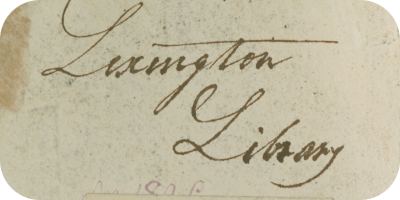
Learn more about Fayette County and our rich history with the Kentucky Room's Digital Archives. Search photo collections, historical newspapers and publications, and community collections with a simple search. New material is continually being scanned and added.
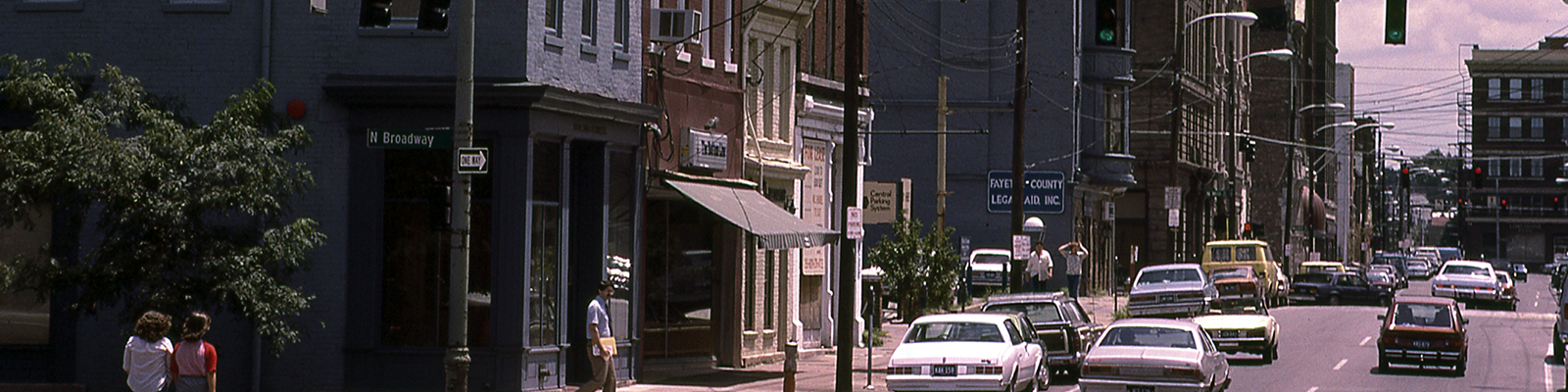
Black Community News Collection
All Digital Archives Collections
The first Kentucky almanacs were printed by John Bradford, on the same printing press that published the Kentucky Gazette. The Kentucky almanacs in the library's…
Fayette County's buildings contain a great deal of history about the region and its inhabitants. The earliest structure in Lexington was built in 1779, the Blockhouse. Lexington currently has over…
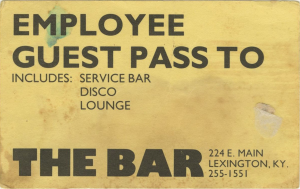
The collection consists of an image, homemade brochures, flyers, pamphlets, and programs covering LGBTQ+ events and places from 1983 to 1999 in both Lexington and Louisville. Subjects include…
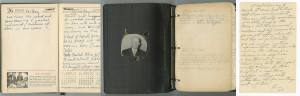
The Bath County Memorial Library was founded in 1949 by the Owingsville Women’s Club, and opened in January, 1950. It expanded into a bookmobile in 1953, and in 1963 moved into the old Farmer’s…
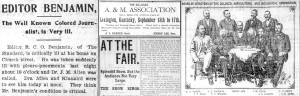
The Black Community News Collection compiles searchable newspaper articles and ads for local Black community events, schools, social gatherings, church events, obituaries, and wedding…
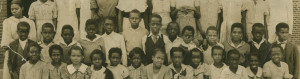
The Brown-Hocker Collection is a community collection of photos and realia from African American events and people in Lexington and Kentucky history.
The objects in the collection are…
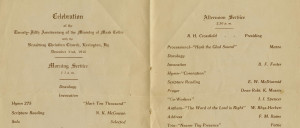
This collection contains materials from Lexington and Fayette County religious groups.
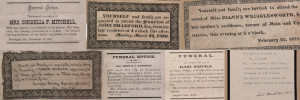
Compiled by Cyrus Parker Jones, a man formerly enslaved by the Parker family, these funeral notices cover 667 funerals of individuals in Lexington, including seven free blacks. The funeral notices…
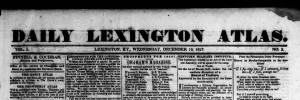
The Daily Lexington Atlas ran from December 11, 1847 through November 20, 1848 and was Lexington’s first daily paper, and the first to publish information from the telegraph lines. It was…
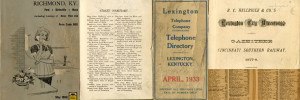
The library has a variety of directories and yearbooks with local information. In the library's current digital collection, there is a selection of residential and street directories, yearbooks,…
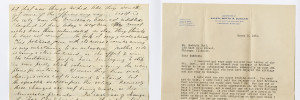
Various objects found in our Duncan-Goff scrapbook collection.
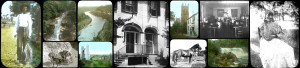
Elmer L. Foote served as official photographer of the Cincinnati Public Library for many years, and produced photographs that appeared in the Cincinnati Commercial Tribune …
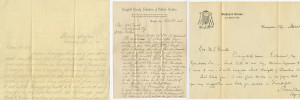
Letters from and/or about Father William T. Punch and the Punch family. Donated by a Lexington resident to Lexington Public Library. Father Punch was instrumental in building…

Until 1974, Lexington and Fayette County had two separate governing bodies. Lexington itself was founded in 1775 and chartered in 1782 by an act of the Virginia General Assembly,…
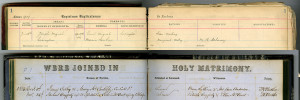
The St. Paul Catholic Church Collection includes materials from the Church's archive. The Roman Catholic church is over 150 years old, and is located on West Short Street, in downtown Lexington.…
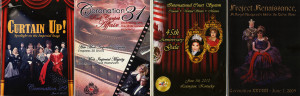
Founded in 1982 by Gigi Galore (Greg Butler) and Blanche Pink (Marlon Austin), the Imperial Court of Kentucky, Inc., is a nonprofit charity that supports the LGBTQ+ community of…
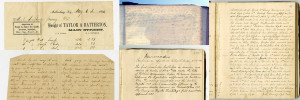
The Judge Kenneth Lyons collection consists of an atlas, a journal, and letters. The atlas features copies of letters written on the blank pages of the atlas. The journal contains family and local…
The Junior League of Lexington (JLL) is a local nonprofit organization of women committed to improving community through volunteerism. The first Junior League was established in 1901…
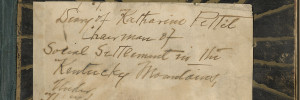
The diary (ca. 1899) of Katherine Pettit, details her settlement work for the Kentucky Confederation of Women's Clubs, made yearly trips to Hazard during this period and was a central figure in…
The Dunn Photograph Collection contains images of Lexington, KY taken in the 1960s and 1980s. Keller J. Dunn (1917-2000) born in Lexington, KY, shot hundreds of pictures of…
The library's collection contains many event pamphlets for Lexington and Kentucky counties, including county anniversary celebrations, suffragette songs, chautauquas, and community events and…
The photographs in the library's collection are donated from a variety of individuals.
The Ashland-McDowell Collection shows an unknown gathering of friends and…
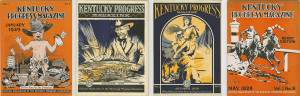
The Kentucky Progress Commission was formed in 1928 in order to draw tourism and business to Kentucky. It was formed by the Kentucky Legislature, and was a 12 person board. The “Kentucky…
The League of Women Voters of Lexington, Kentucky, was established in 1920. It is the local chapter of a national nonpartisan nonprofit organization that encourages informed and…
The Lexington History Museum began in 1998, and opened its doors in the Old Courthouse in 2003. Its purpose is to educate Fayette County about its rich history, and preserve pieces of that history…
The Lexington Public Library opened a Carnegie library in 1905. It incorporated the collections of the former subscription Lexington Library Company (est.1801) and the former…
The Lexington Weekly Press was published every Wednesday in Lexington, Kentucky, and contained local, state, and foreign news. The paper focused on Central Kentucky’s “agriculture,…
The military history collection contains relevant histories and records that focus on Kentuckians involved at home and abroad, and includes a collection of United States Army Training Center…
The Micellaneous Newspaper collection combines scattered issues of various historic newspapers in our archive collection.
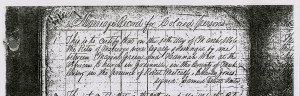
Scans of the Black Marriage records from the Courthouse in Greenville, Kentucky.
The collection contains various postcards featuring places in and around Kentucky and includes a selection donated by the Knowles family. The postcards in the library's collection were donated by…
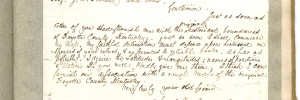
This is a handwritten series of lectures detailing Samuel D. McCullough's memories of his childhood and life in Lexington, Kentucky, accompanied by letters and a photograph of his house. The…
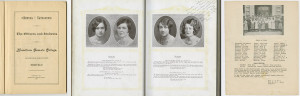
The Schools and Yearbooks collection contains historical and modern yearbooks and other school documents owned by and donated to the Lexington Public Library.
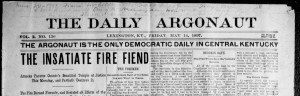
The Daily Argonaut began in 1895 and seems to have ceased publication in 1899. This collection includes scattered issues from 1896, 1897 and 1898. The paper focuses more on sensational news and…
The Independent Gazetteer was founded and printed by James Charless in 1803, with ads appearing in the Kentucky Gazette about its upcoming…

The Kentucky Gazette was the first paper established west of the Allegheny Mountains, founded by John and Fielding Bradford. The frontier paper focused on East Coast and International news,…
The Kentucky Reporter was published from October 1817-April 1832, by William W. Worsley and Thomas Smith. It is the direct continuation of the The Reporter. Politically, it was a…
The Reporter was published from March 1808-September 1817, by William W. Worsley. It was a Republican paper (Jeffersonian Democratic Republican - liberal at the time). The paper was published…
The True American was an anti-slavery newspaper started by Cassius Marcellus Clay in June 1845. He ran the paper in Lexington until August of 1845, when he published an…
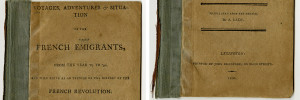
This work contains information about French Emigrants to America over the years 1789-1799, and provides a history of the French Revolution. The work was originally in French, and was translated…
Black Community News
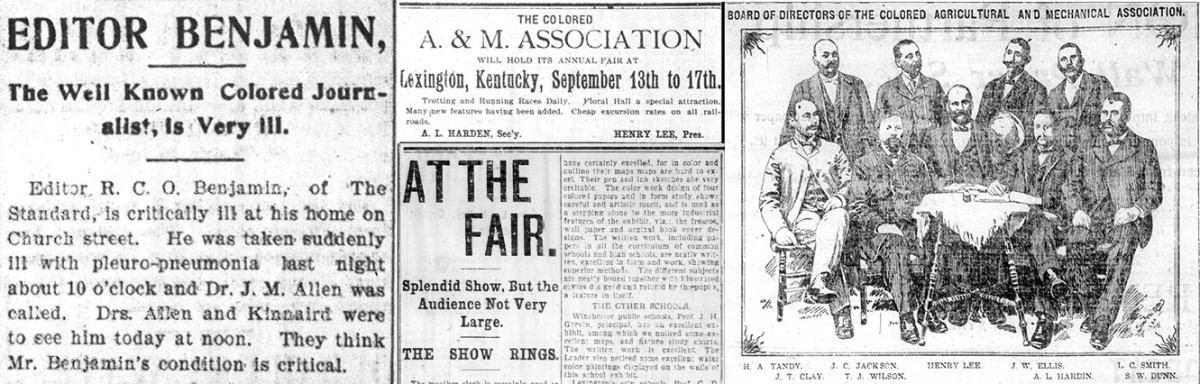
The Black Community News Collection compiles searchable newspaper articles and ads for local Black community events, schools, social gatherings, church events, obituaries, and wedding announcements in older local newspapers in the library’s collection. In addition to Lexington news, the articles contain information about people in many surrounding communities, as well.
In 1898, Lexington’s evening paper, the Leader* began publishing specific news columns about the local Black community and society events. Early columns were scattered and not consistently named; they were titled “Weldon” or “Welden” after the first Black columnist, “In Colored Circles,” “In Colored Society,” and later, became a more standard column titled, “Colored News” and “Colored Notes.” The other local paper, the morning Herald, began publishing a similar column in the 1920s. Lexington at that time had a weekly Black newspaper, the Lexington Standard, that ran from 1892-1912, when it briefly became the Lexington Weekly News before it folded.
The first reporter/columnist of Black social news in the Leader was John Weldon Jewett, a local educator later appointed to the IRS; he would often sign announcements with “Weldon” or “Welden” or “JW.” After his death in 1905, columns were contributed by William Henry Ballard, who opened the first Black pharmacy in Kentucky in 1893, and others. In 1925, the Herald appointed a separate department managed by Lucy J. Cochran, which was housed separately from the general newspaper office, and after multiple editors, D. I. Reid took over in 1934 and ran it until his death in 1950.
Community groups began to challenge the term “colored” and the “Colored Notes” being a separate news column in the 1950s, but Black community news was not integrated with the rest of the newspaper until 1969.
The only surviving issues of the Lexington Standard and the Lexington Weekly News can be found on Chronicling America.
Information about the Lexington newspapers and early Black editors was compiled from:
NKAA Database entry “Colored Circles, Colored News Notes, Colored News, General Colored News, and Colored Notes (Lexington Newspapers)”
Biographical sketches of prominent Negro men and women of Kentucky by W. D. Johnson, (1897)
*The Leader began as the Kentucky Leader in 1888, and several years later became the Daily Leader and the Sunday editions labeled as The Sunday Leader. It became the Lexington Leader in 1901, began sharing Sundays with the Lexington Herald in the 1950s, and eventually fully combined with the Herald to become the Lexington Herald-Leader in 1983.
Collection Content
Years Available:
The Leader: 1898, 1899
All Digital Archives Collections
The first Kentucky almanacs were printed by John Bradford, on the same printing press that published the Kentucky Gazette. The Kentucky almanacs in the library's…
Fayette County's buildings contain a great deal of history about the region and its inhabitants. The earliest structure in Lexington was built in 1779, the Blockhouse. Lexington currently has over…
The collection consists of an image, homemade brochures, flyers, pamphlets, and programs covering LGBTQ+ events and places from 1983 to 1999 in both Lexington and Louisville. Subjects include…
The Bath County Memorial Library was founded in 1949 by the Owingsville Women’s Club, and opened in January, 1950. It expanded into a bookmobile in 1953, and in 1963 moved into the old Farmer’s…
The Black Community News Collection compiles searchable newspaper articles and ads for local Black community events, schools, social gatherings, church events, obituaries, and wedding…
The Brown-Hocker Collection is a community collection of photos and realia from African American events and people in Lexington and Kentucky history.
The objects in the collection are…
This collection contains materials from Lexington and Fayette County religious groups.
Compiled by Cyrus Parker Jones, a man formerly enslaved by the Parker family, these funeral notices cover 667 funerals of individuals in Lexington, including seven free blacks. The funeral notices…
The Daily Lexington Atlas ran from December 11, 1847 through November 20, 1848 and was Lexington’s first daily paper, and the first to publish information from the telegraph lines. It was…
The library has a variety of directories and yearbooks with local information. In the library's current digital collection, there is a selection of residential and street directories, yearbooks,…
Various objects found in our Duncan-Goff scrapbook collection.
Elmer L. Foote served as official photographer of the Cincinnati Public Library for many years, and produced photographs that appeared in the Cincinnati Commercial Tribune …
Letters from and/or about Father William T. Punch and the Punch family. Donated by a Lexington resident to Lexington Public Library. Father Punch was instrumental in building…
Until 1974, Lexington and Fayette County had two separate governing bodies. Lexington itself was founded in 1775 and chartered in 1782 by an act of the Virginia General Assembly,…
The St. Paul Catholic Church Collection includes materials from the Church's archive. The Roman Catholic church is over 150 years old, and is located on West Short Street, in downtown Lexington.…
Founded in 1982 by Gigi Galore (Greg Butler) and Blanche Pink (Marlon Austin), the Imperial Court of Kentucky, Inc., is a nonprofit charity that supports the LGBTQ+ community of…
The Judge Kenneth Lyons collection consists of an atlas, a journal, and letters. The atlas features copies of letters written on the blank pages of the atlas. The journal contains family and local…
The Junior League of Lexington (JLL) is a local nonprofit organization of women committed to improving community through volunteerism. The first Junior League was established in 1901…
The diary (ca. 1899) of Katherine Pettit, details her settlement work for the Kentucky Confederation of Women's Clubs, made yearly trips to Hazard during this period and was a central figure in…
The Dunn Photograph Collection contains images of Lexington, KY taken in the 1960s and 1980s. Keller J. Dunn (1917-2000) born in Lexington, KY, shot hundreds of pictures of…
The library's collection contains many event pamphlets for Lexington and Kentucky counties, including county anniversary celebrations, suffragette songs, chautauquas, and community events and…
The photographs in the library's collection are donated from a variety of individuals.
The Ashland-McDowell Collection shows an unknown gathering of friends and…
The Kentucky Progress Commission was formed in 1928 in order to draw tourism and business to Kentucky. It was formed by the Kentucky Legislature, and was a 12 person board. The “Kentucky…
The League of Women Voters of Lexington, Kentucky, was established in 1920. It is the local chapter of a national nonpartisan nonprofit organization that encourages informed and…
The Lexington History Museum began in 1998, and opened its doors in the Old Courthouse in 2003. Its purpose is to educate Fayette County about its rich history, and preserve pieces of that history…
The Lexington Public Library opened a Carnegie library in 1905. It incorporated the collections of the former subscription Lexington Library Company (est.1801) and the former…
The Lexington Weekly Press was published every Wednesday in Lexington, Kentucky, and contained local, state, and foreign news. The paper focused on Central Kentucky’s “agriculture,…
The military history collection contains relevant histories and records that focus on Kentuckians involved at home and abroad, and includes a collection of United States Army Training Center…
The Micellaneous Newspaper collection combines scattered issues of various historic newspapers in our archive collection.
Scans of the Black Marriage records from the Courthouse in Greenville, Kentucky.
The collection contains various postcards featuring places in and around Kentucky and includes a selection donated by the Knowles family. The postcards in the library's collection were donated by…
This is a handwritten series of lectures detailing Samuel D. McCullough's memories of his childhood and life in Lexington, Kentucky, accompanied by letters and a photograph of his house. The…
The Schools and Yearbooks collection contains historical and modern yearbooks and other school documents owned by and donated to the Lexington Public Library.
The Daily Argonaut began in 1895 and seems to have ceased publication in 1899. This collection includes scattered issues from 1896, 1897 and 1898. The paper focuses more on sensational news and…
The Independent Gazetteer was founded and printed by James Charless in 1803, with ads appearing in the Kentucky Gazette about its upcoming…
The Kentucky Gazette was the first paper established west of the Allegheny Mountains, founded by John and Fielding Bradford. The frontier paper focused on East Coast and International news,…
The Kentucky Reporter was published from October 1817-April 1832, by William W. Worsley and Thomas Smith. It is the direct continuation of the The Reporter. Politically, it was a…
The Reporter was published from March 1808-September 1817, by William W. Worsley. It was a Republican paper (Jeffersonian Democratic Republican - liberal at the time). The paper was published…
The True American was an anti-slavery newspaper started by Cassius Marcellus Clay in June 1845. He ran the paper in Lexington until August of 1845, when he published an…
This work contains information about French Emigrants to America over the years 1789-1799, and provides a history of the French Revolution. The work was originally in French, and was translated…
Use this form to add a digital version of your library card to your digital wallet.
Discover unique resources in our Digital Archives that tell the story of Fayette County. Visit cemeteries throughout Central Kentucky using our cemetery maps. Contact our resident experts in the Central Library's Kentucky Room with questions. The Lexington Public Library is a FamilySearch Affiliate Library.
An eligible parent or legal guardian can complete this form to apply for a digital library card for a juvenile.
Eligible applicants can complete this form to apply for a digital library card.
With your free library card, gain access to a diverse collection of print books, ebooks, audiobooks, online classes and databases, and more. You can apply for a traditional, wallet-sized card and key chain tag or a digital library card to add to your smartphone’s digital wallet (iOS and Android compatible).

Read the Lexington Herald-Leader in its original printed format, including pictures. New issues are published on Sunday, Wednesday, and Friday. Includes issues from January 1, 2016 to present.
Celebrate Women’s History Month at LPL
Throughout March, join us as we celebrate women’s contributions in local, state, and national history through programs, books, podcasts, archive materials, and more.
Bath County Memorial Library Collection
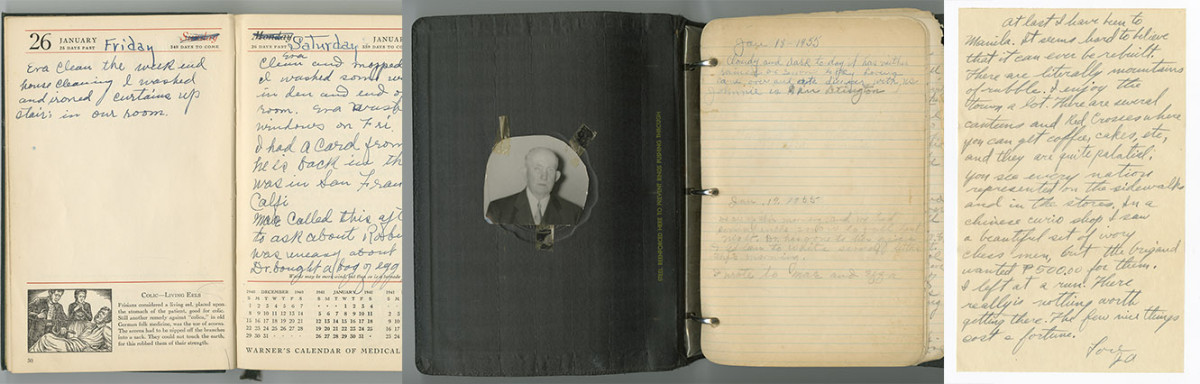
The Bath County Memorial Library was founded in 1949 by the Owingsville Women’s Club, and opened in January, 1950. It expanded into a bookmobile in 1953, and in 1963 moved into the old Farmer’s Bank Building at 24 W. Main St. Community response was high; a 1965 survey showed resident usage at 70%, and the library expanded again in 1996.
Both of those collections are owned by the Bath County Memorial Library, and held in their local history collection.
The two collections in Bath County’s Community Collection are both primary sources from Bath County residents.
- The Gilmore diary collection spans 1944-1955 and is written by Etta Evans Gilmore.
- The Young WWII letter collection was written by Bath County native Sergeant Johnston A. Young, during his time stationed in the Pacific theater during World War II.
All Digital Archives Collections
The first Kentucky almanacs were printed by John Bradford, on the same printing press that published the Kentucky Gazette. The Kentucky almanacs in the library's…
Fayette County's buildings contain a great deal of history about the region and its inhabitants. The earliest structure in Lexington was built in 1779, the Blockhouse. Lexington currently has over…
The collection consists of an image, homemade brochures, flyers, pamphlets, and programs covering LGBTQ+ events and places from 1983 to 1999 in both Lexington and Louisville. Subjects include…
The Bath County Memorial Library was founded in 1949 by the Owingsville Women’s Club, and opened in January, 1950. It expanded into a bookmobile in 1953, and in 1963 moved into the old Farmer’s…
The Black Community News Collection compiles searchable newspaper articles and ads for local Black community events, schools, social gatherings, church events, obituaries, and wedding…
The Brown-Hocker Collection is a community collection of photos and realia from African American events and people in Lexington and Kentucky history.
The objects in the collection are…
This collection contains materials from Lexington and Fayette County religious groups.
Compiled by Cyrus Parker Jones, a man formerly enslaved by the Parker family, these funeral notices cover 667 funerals of individuals in Lexington, including seven free blacks. The funeral notices…
The Daily Lexington Atlas ran from December 11, 1847 through November 20, 1848 and was Lexington’s first daily paper, and the first to publish information from the telegraph lines. It was…
The library has a variety of directories and yearbooks with local information. In the library's current digital collection, there is a selection of residential and street directories, yearbooks,…
Various objects found in our Duncan-Goff scrapbook collection.
Elmer L. Foote served as official photographer of the Cincinnati Public Library for many years, and produced photographs that appeared in the Cincinnati Commercial Tribune …
Letters from and/or about Father William T. Punch and the Punch family. Donated by a Lexington resident to Lexington Public Library. Father Punch was instrumental in building…
Until 1974, Lexington and Fayette County had two separate governing bodies. Lexington itself was founded in 1775 and chartered in 1782 by an act of the Virginia General Assembly,…
The St. Paul Catholic Church Collection includes materials from the Church's archive. The Roman Catholic church is over 150 years old, and is located on West Short Street, in downtown Lexington.…
Founded in 1982 by Gigi Galore (Greg Butler) and Blanche Pink (Marlon Austin), the Imperial Court of Kentucky, Inc., is a nonprofit charity that supports the LGBTQ+ community of…
The Judge Kenneth Lyons collection consists of an atlas, a journal, and letters. The atlas features copies of letters written on the blank pages of the atlas. The journal contains family and local…
The Junior League of Lexington (JLL) is a local nonprofit organization of women committed to improving community through volunteerism. The first Junior League was established in 1901…
The diary (ca. 1899) of Katherine Pettit, details her settlement work for the Kentucky Confederation of Women's Clubs, made yearly trips to Hazard during this period and was a central figure in…
The Dunn Photograph Collection contains images of Lexington, KY taken in the 1960s and 1980s. Keller J. Dunn (1917-2000) born in Lexington, KY, shot hundreds of pictures of…
The library's collection contains many event pamphlets for Lexington and Kentucky counties, including county anniversary celebrations, suffragette songs, chautauquas, and community events and…
The photographs in the library's collection are donated from a variety of individuals.
The Ashland-McDowell Collection shows an unknown gathering of friends and…
The Kentucky Progress Commission was formed in 1928 in order to draw tourism and business to Kentucky. It was formed by the Kentucky Legislature, and was a 12 person board. The “Kentucky…
The League of Women Voters of Lexington, Kentucky, was established in 1920. It is the local chapter of a national nonpartisan nonprofit organization that encourages informed and…
The Lexington History Museum began in 1998, and opened its doors in the Old Courthouse in 2003. Its purpose is to educate Fayette County about its rich history, and preserve pieces of that history…
The Lexington Public Library opened a Carnegie library in 1905. It incorporated the collections of the former subscription Lexington Library Company (est.1801) and the former…
The Lexington Weekly Press was published every Wednesday in Lexington, Kentucky, and contained local, state, and foreign news. The paper focused on Central Kentucky’s “agriculture,…
The military history collection contains relevant histories and records that focus on Kentuckians involved at home and abroad, and includes a collection of United States Army Training Center…
The Micellaneous Newspaper collection combines scattered issues of various historic newspapers in our archive collection.
Scans of the Black Marriage records from the Courthouse in Greenville, Kentucky.
The collection contains various postcards featuring places in and around Kentucky and includes a selection donated by the Knowles family. The postcards in the library's collection were donated by…
This is a handwritten series of lectures detailing Samuel D. McCullough's memories of his childhood and life in Lexington, Kentucky, accompanied by letters and a photograph of his house. The…
The Schools and Yearbooks collection contains historical and modern yearbooks and other school documents owned by and donated to the Lexington Public Library.
The Daily Argonaut began in 1895 and seems to have ceased publication in 1899. This collection includes scattered issues from 1896, 1897 and 1898. The paper focuses more on sensational news and…
The Independent Gazetteer was founded and printed by James Charless in 1803, with ads appearing in the Kentucky Gazette about its upcoming…
The Kentucky Gazette was the first paper established west of the Allegheny Mountains, founded by John and Fielding Bradford. The frontier paper focused on East Coast and International news,…
The Kentucky Reporter was published from October 1817-April 1832, by William W. Worsley and Thomas Smith. It is the direct continuation of the The Reporter. Politically, it was a…
The Reporter was published from March 1808-September 1817, by William W. Worsley. It was a Republican paper (Jeffersonian Democratic Republican - liberal at the time). The paper was published…
The True American was an anti-slavery newspaper started by Cassius Marcellus Clay in June 1845. He ran the paper in Lexington until August of 1845, when he published an…
This work contains information about French Emigrants to America over the years 1789-1799, and provides a history of the French Revolution. The work was originally in French, and was translated…
The Eastside Branch Makerspace, located at 3000 Blake James Drive, is a collaborative workspace for ages 13 and up to make, learn , explore, and share, free of charge. Staff are available during open studio hours to assist in projects of all kinds, or contact Makerspace staff to schedule one-on-one help. Not sure where to start? The Eastside Makerspace also offers regular workshops that introduce participants to new skills, technology, and equipment. Planning to bring a group of 10 or more? Please contact us by calling 859-231-5500 ext.2207 or using the link below.
Sample projects
Engrave a welcome sign, 3D print a business card holder, laminate a sign for your classroom, print a banner for your next event, make a personalized magnet for your refrigerator, sew a quilt block, or cut a vinyl design for your water bottle.