








Website Search
Displaying results 126 - 150 of 424
Elmer L. Foote Lantern Slide Collection
Collection Format
Collection Topics
All Digital Archives Collections
The collection consists of an image, homemade brochures, flyers, pamphlets, and programs covering LGBTQ+ events and places from 1983 to 1999 in both Lexington and Louisville. Subjects include Leigh Angelique and other drag queens, Sweet…
The Bath County Memorial Library was founded in 1949 by the Owingsville Women’s Club, and opened in January, 1950. It expanded into a bookmobile in 1953, and in 1963 moved into the old Farmer’s Bank Building at 24 W. Main St. Community…
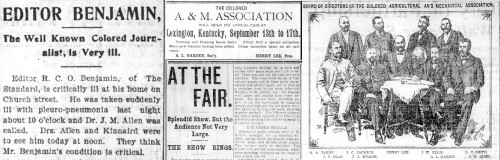
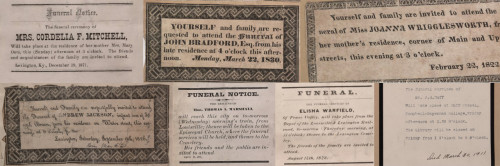
The Black Community News Collection compiles searchable newspaper articles and ads for local Black community events, schools, social gatherings, church events, obituaries, and wedding announcements in older local newspapers in the…
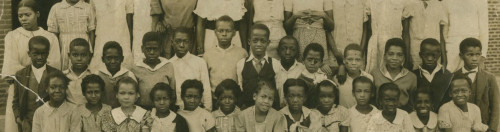
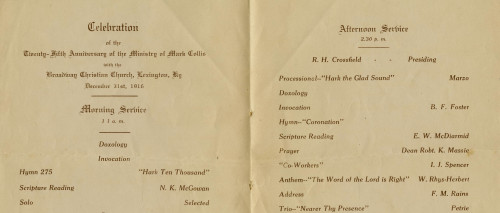
The Brown-Hocker Collection is a community collection of photos and realia from African American events and people in Lexington and Kentucky history.
The objects in the collection are primarily for events in African American…
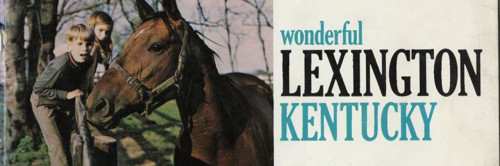
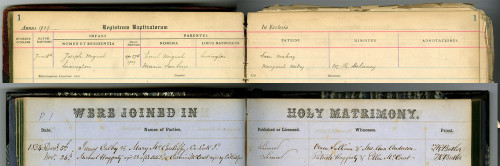
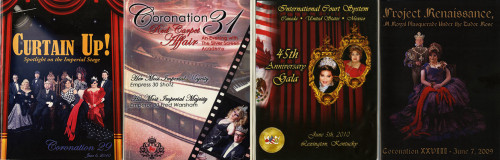
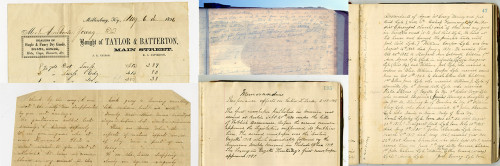
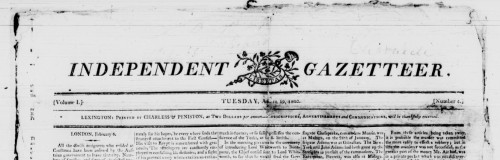

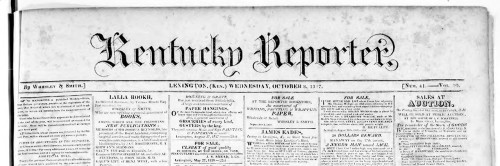
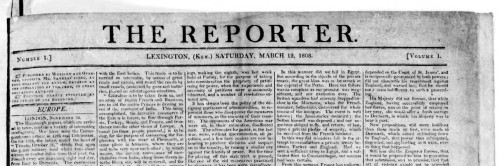
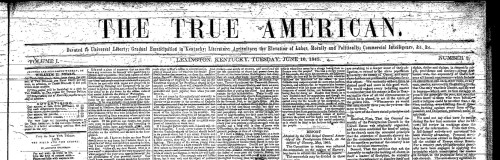
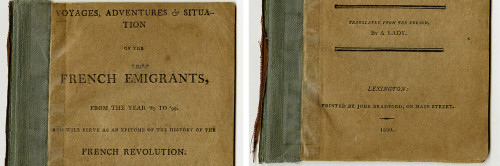
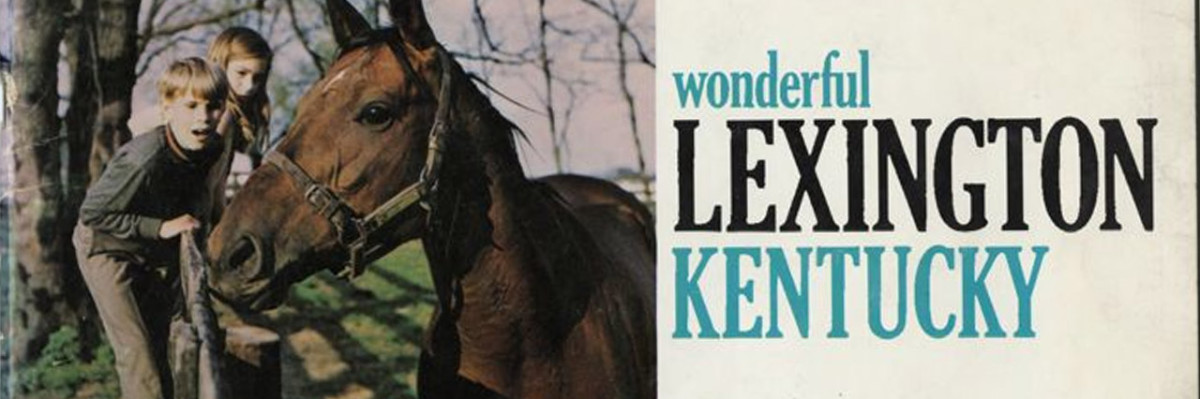
Celebrate Lexington, Kentucky’s 250th anniversary this April with a full month dedicated to the history and heritage of music, poetry, and literature in and around Lexington with events hosted by the Lexington Public Library, the City of Lexington, 21c Museum and Hotel, the Carnegie Center for Literacy & Learning, Institute 193, and the Pam Miller Downtown Arts Center.
Government Documents Collection
Collection Format
Collection Topics
All Digital Archives Collections
The collection consists of an image, homemade brochures, flyers, pamphlets, and programs covering LGBTQ+ events and places from 1983 to 1999 in both Lexington and Louisville. Subjects include Leigh Angelique and other drag queens, Sweet…
The Bath County Memorial Library was founded in 1949 by the Owingsville Women’s Club, and opened in January, 1950. It expanded into a bookmobile in 1953, and in 1963 moved into the old Farmer’s Bank Building at 24 W. Main St. Community…
The Black Community News Collection compiles searchable newspaper articles and ads for local Black community events, schools, social gatherings, church events, obituaries, and wedding announcements in older local newspapers in the…
The Brown-Hocker Collection is a community collection of photos and realia from African American events and people in Lexington and Kentucky history.
The objects in the collection are primarily for events in African American…
Description coming soon.
All databases are available from this page.
-
Central Library - Farish Theater
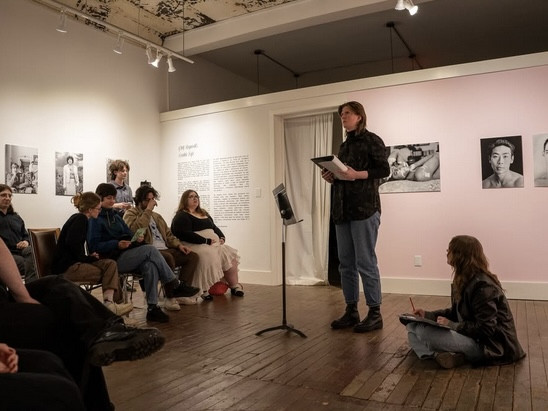
An evening of new play exhibition and critique! Hear four brand new plays (written the same day) by playwrights in our community. We'll be sharpening our skills as writers and as audiences by receiving and giving critique on not-yet-precious new works. Doors open at 7 p.m. Learn more at starstufftheatre.org/currently.
Bath County Memorial Library Collection
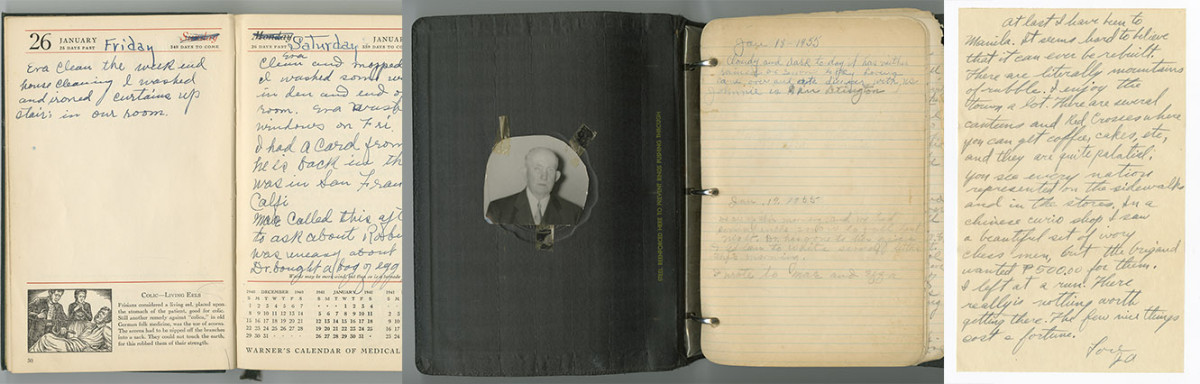
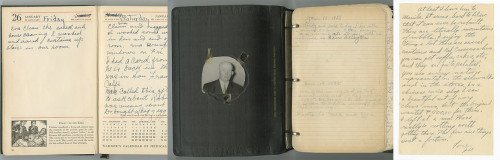
The Bath County Memorial Library was founded in 1949 by the Owingsville Women’s Club, and opened in January, 1950. It expanded into a bookmobile in 1953, and in 1963 moved into the old Farmer’s Bank Building at 24 W. Main St. Community response was high; a 1965 survey showed resident usage at 70%, and the library expanded again in 1996.
Both of those collections are owned by the Bath County Memorial Library, and held in their local history collection.
The two collections in Bath County’s Community Collection are both primary sources from Bath County residents.
- The Gilmore diary collection spans 1944-1955 and is written by Etta Evans Gilmore.
- The Young WWII letter collection was written by Bath County native Sergeant Johnston A. Young, during his time stationed in the Pacific theater during World War II.
Collection Format
Collection Topics
All Digital Archives Collections
The collection consists of an image, homemade brochures, flyers, pamphlets, and programs covering LGBTQ+ events and places from 1983 to 1999 in both Lexington and Louisville. Subjects include Leigh Angelique and other drag queens, Sweet…
The Bath County Memorial Library was founded in 1949 by the Owingsville Women’s Club, and opened in January, 1950. It expanded into a bookmobile in 1953, and in 1963 moved into the old Farmer’s Bank Building at 24 W. Main St. Community…
The Black Community News Collection compiles searchable newspaper articles and ads for local Black community events, schools, social gatherings, church events, obituaries, and wedding announcements in older local newspapers in the…
The Brown-Hocker Collection is a community collection of photos and realia from African American events and people in Lexington and Kentucky history.
The objects in the collection are primarily for events in African American…
Black Community News
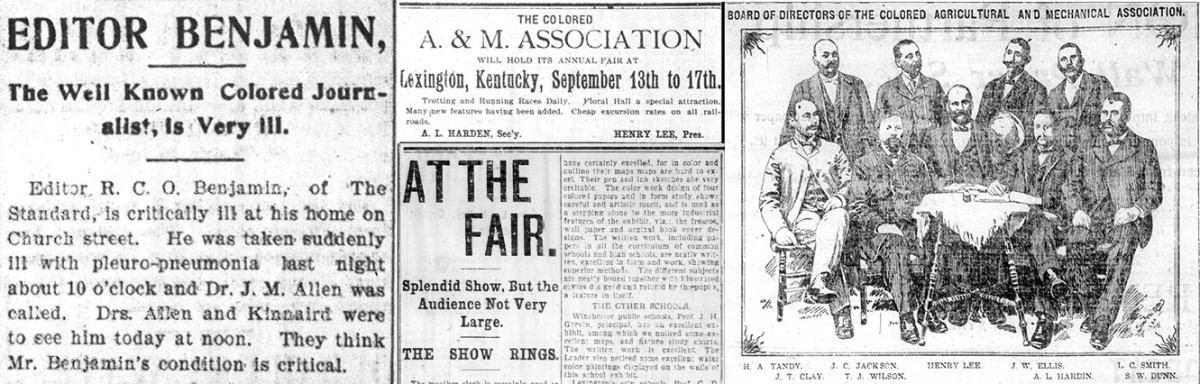
The Black Community News Collection compiles searchable newspaper articles and ads for local Black community events, schools, social gatherings, church events, obituaries, and wedding announcements in older local newspapers in the library’s collection. In addition to Lexington news, the articles contain information about people in many surrounding communities, as well.
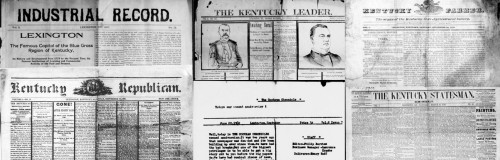
In 1898, Lexington’s evening paper, the Leader* began publishing specific news columns about the local Black community and society events. Early columns were scattered and not consistently named; they were titled “Weldon” or “Welden” after the first Black columnist, “In Colored Circles,” “In Colored Society,” and later, became a more standard column titled, “Colored News” and “Colored Notes.” The other local paper, the morning Herald, began publishing a similar column in the 1920s. Lexington at that time had a weekly Black newspaper, the Lexington Standard, that ran from 1892-1912, when it briefly became the Lexington Weekly News before it folded.
The first reporter/columnist of Black social news in the Leader was John Weldon Jewett, a local educator later appointed to the IRS; he would often sign announcements with “Weldon” or “Welden” or “JW.” After his death in 1905, columns were contributed by William Henry Ballard, who opened the first Black pharmacy in Kentucky in 1893, and others. In 1925, the Herald appointed a separate department managed by Lucy J. Cochran, which was housed separately from the general newspaper office, and after multiple editors, D. I. Reid took over in 1934 and ran it until his death in 1950.
Community groups began to challenge the term “colored” and the “Colored Notes” being a separate news column in the 1950s, but Black community news was not integrated with the rest of the newspaper until 1969.
The only surviving issues of the Lexington Standard and the Lexington Weekly News can be found on Chronicling America.
Information about the Lexington newspapers and early Black editors was compiled from:
NKAA Database entry “Colored Circles, Colored News Notes, Colored News, General Colored News, and Colored Notes (Lexington Newspapers)”
Biographical sketches of prominent Negro men and women of Kentucky by W. D. Johnson, (1897)
*The Leader began as the Kentucky Leader in 1888, and several years later became the Daily Leader and the Sunday editions labeled as The Sunday Leader. It became the Lexington Leader in 1901, began sharing Sundays with the Lexington Herald in the 1950s, and eventually fully combined with the Herald to become the Lexington Herald-Leader in 1983.
Collection Content
Years Available:
The Leader: 1898, 1899
Collection Format
Collection Topics
All Digital Archives Collections
The collection consists of an image, homemade brochures, flyers, pamphlets, and programs covering LGBTQ+ events and places from 1983 to 1999 in both Lexington and Louisville. Subjects include Leigh Angelique and other drag queens, Sweet…
The Bath County Memorial Library was founded in 1949 by the Owingsville Women’s Club, and opened in January, 1950. It expanded into a bookmobile in 1953, and in 1963 moved into the old Farmer’s Bank Building at 24 W. Main St. Community…
The Black Community News Collection compiles searchable newspaper articles and ads for local Black community events, schools, social gatherings, church events, obituaries, and wedding announcements in older local newspapers in the…
The Brown-Hocker Collection is a community collection of photos and realia from African American events and people in Lexington and Kentucky history.
The objects in the collection are primarily for events in African American…
Aunt Tiny Belle Collection
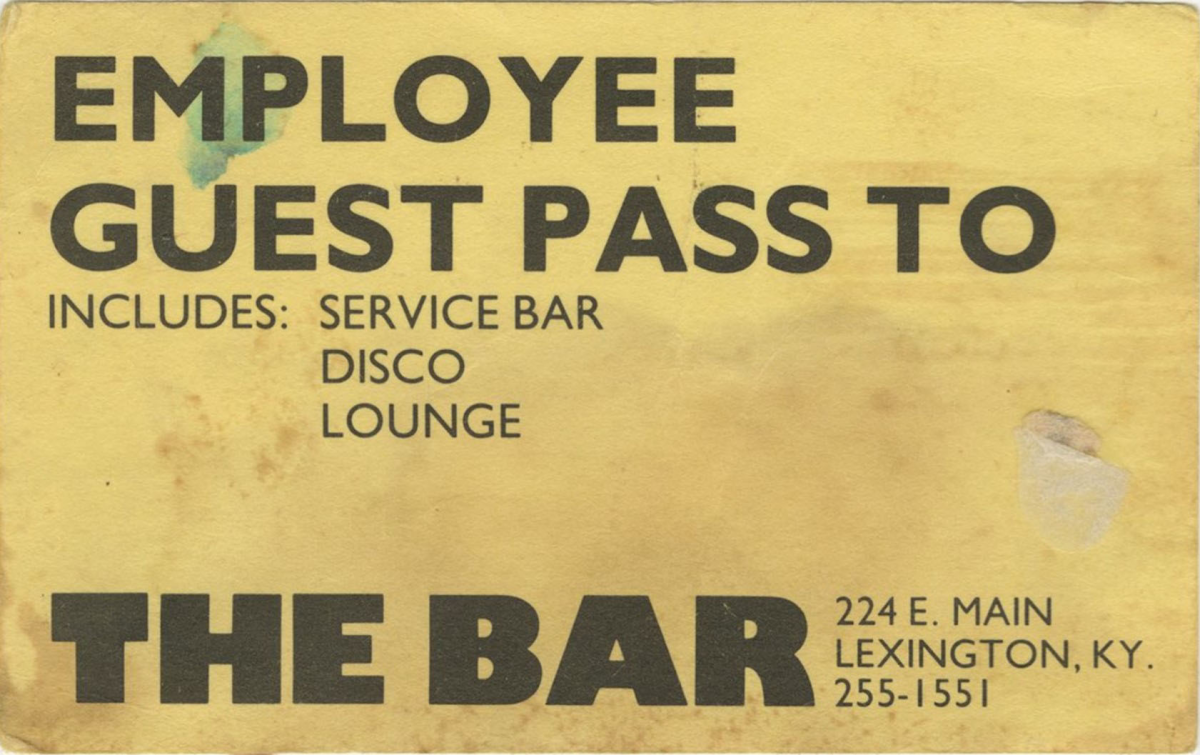
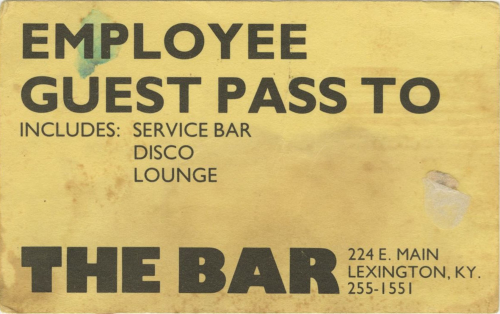
The collection consists of an image, homemade brochures, flyers, pamphlets, and programs covering LGBTQ+ events and places from 1983 to 1999 in both Lexington and Louisville. Subjects include Leigh Angelique and other drag queens, Sweet Evening Breeze, Henry Faulkner, Greg Butler, the Royal Sovereign Imperial Court of All Kentucky and its Coronations, the Bungalow, the LMNOP, Jezebel’s, The Bar Complex, Crossings, Disco Circus, the Bluegrass C.O.L.T.S., AIDS Volunteers of Lexington, Johnny Angel’s, The Loft, and Trixie’s Hide and Seek.
The collection is named in honor of Tina Belle Green Winters Simpler Young, known as Tiny, a sex worker who in the 1920s and 30s sent $5.00 a week home to support her sister. For a time, she worked in the Crawl section of Frankfort, then moved to Lexington, and finally lived the rest of her life in Cincinnati.
The queerness of sex work, a marginalized woman using sex to support family, provides context both to this collection bearing her name and to the LGBTQ+ community that has historically formed families on the social margins.
Collection Format
Collection Topics
All Digital Archives Collections
The collection consists of an image, homemade brochures, flyers, pamphlets, and programs covering LGBTQ+ events and places from 1983 to 1999 in both Lexington and Louisville. Subjects include Leigh Angelique and other drag queens, Sweet…
The Bath County Memorial Library was founded in 1949 by the Owingsville Women’s Club, and opened in January, 1950. It expanded into a bookmobile in 1953, and in 1963 moved into the old Farmer’s Bank Building at 24 W. Main St. Community…
The Black Community News Collection compiles searchable newspaper articles and ads for local Black community events, schools, social gatherings, church events, obituaries, and wedding announcements in older local newspapers in the…
The Brown-Hocker Collection is a community collection of photos and realia from African American events and people in Lexington and Kentucky history.
The objects in the collection are primarily for events in African American…
Mariam interviews Tom Eblen about the history and personalities surrounding Lexington’s Newspapers.
Mariam interviews Doug Tattershall, author of Belle Brezing: American Magdalene, about his book. They discuss Belle Brezing’s early life, her years as the nationally known brothel owner, and the generally unknown final years of her life in seclusion.
Mariam interviews Susan Griffith and Vikki Franklin from Eastern State Hospital about the 195 year history of the hospital, and shares stories from contemporary newspaper articles.
Mariam interviews Cindy Heine and Dee Pregliasco from the Kentucky Chapter of The League of Women Voters about the organization’s 100 year history and its current initiatives.
Mariam interviews Dr. Randolph Hollingsworth, Barbara Grygutis and Rob Bolson about their involvement in Lexington’s “Breaking the Bronze Ceiling” monument initiative.
J.P. Johnson guest hosts to celebrate the life of Dolly Johnson Dandridge (1852-1918), a Kentucky native who was the White House Chef for President Benjamin Harrison, and later a much sought-after chef after her return to Lexington, Kentucky in 1894.
Webform
Apply to be a presenter at the 2026 Kentucky History and Genealogy Conference.
Mariam tells a brief history of Lexington's first steam powered street roller, named the Willipus Wallipus.
Mariam and Erin tell the story of Constantine Samuel Rafinesque’s visit with naturalist John James Audubon, and how the resulting prank by Audubon on Rafinesque wasn’t fully discovered for nearly 150 years.