








Website Search
Displaying results 501 - 525 of 798
-
Northside Branch - Story Room
Enjoy books, music, movement, and activities that encourage early learning and promote school readiness. Recommended for ages 3-5.
-
Eastside Branch - Children's Program Room
Practice your reading with a therapy dog from Love On A Leash. These furry friends can't wait for their personal Storytime sessions! For Kindergarten and up.
-
Eastside Branch - Children's Program Room
Practice your reading with a therapy dog from Love On A Leash. These furry friends can't wait for their personal Storytime sessions! For Kindergarten and up.
-
Marksbury Family Branch - Community Room A
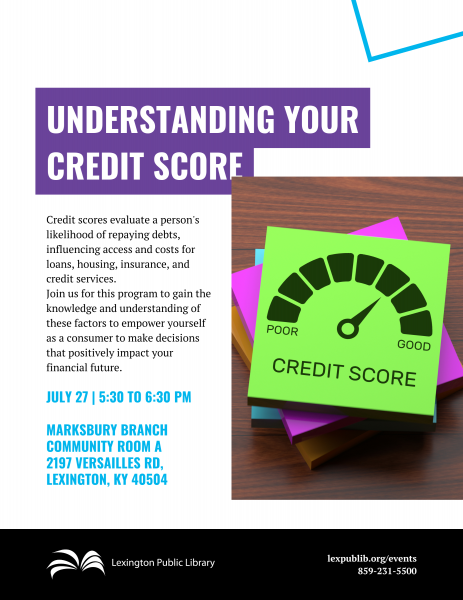
Join us for this program to gain the knowledge and understanding of these factors to empower yourself as a consumer to make decisions that positively impact your financial future.
-
Eastside Branch - Children's Program Room
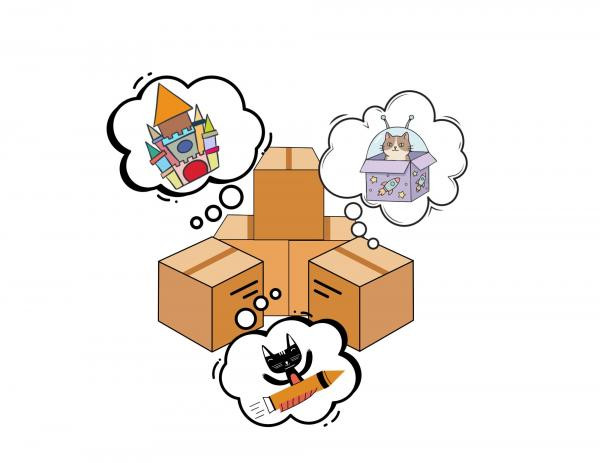
We'll read our beloved Not a Box by Antoinette Portis together and then use our imaginations to create anything we want with cardboard boxes.
-
Marksbury Family Branch - Community Room (A & B)
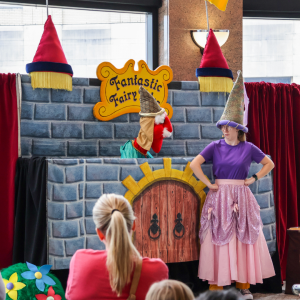
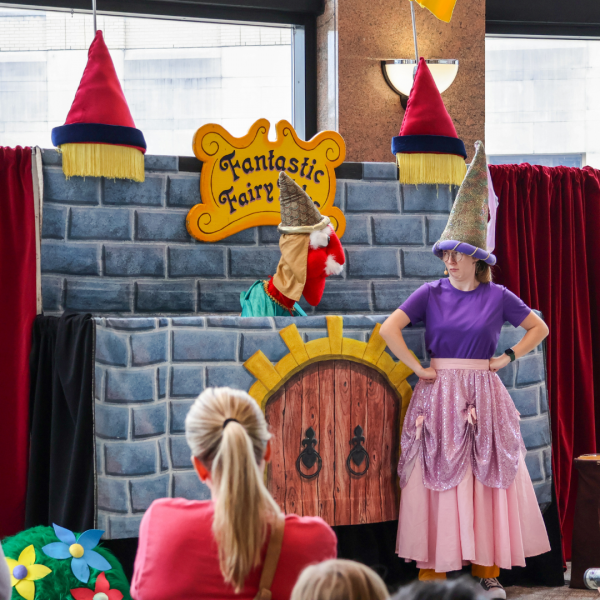
For large groups (10+), please call ahead. Visit lexpublib.org/summer for more Summer at the Library events.
-
Marksbury Family Branch - Community Room A
Enjoy books, music, movement, and activities that encourage early learning and promote school readiness. Recommended for ages 3-5.
-
Marksbury Family Branch - Community Room B
Move, sing, read, and play in this interactive storytime for toddlers and their caregivers. Recommended for ages 18 to 36 months.
-
Marksbury Family Branch - Community Room B
Move, sing, read, and play in this interactive storytime for toddlers and their caregivers. Recommended for ages 18 to 36 months.
-
Marksbury Family Branch - Community Room B
Move, sing, read, and play in this interactive storytime for toddlers and their caregivers. Recommended for ages 18 to 36 months.
-
Marksbury Family Branch - Community Room A
Enjoy books, music, movement, and activities that encourage early learning and promote school readiness. Recommended for ages 3-5.
-
Marksbury Family Branch - Community Room B
Move, sing, read, and play in this interactive storytime for toddlers and their caregivers. Recommended for ages 18 to 36 months.
-
Marksbury Family Branch - Community Room A
Enjoy books, music, movement, and activities that encourage early learning and promote school readiness. Recommended for ages 3-5.
-
Marksbury Family Branch - Community Room B
Move, sing, read, and play in this interactive storytime for toddlers and their caregivers. Recommended for ages 18 to 36 months.
-
Marksbury Family Branch - Community Room B
Move, sing, read, and play in this interactive storytime for toddlers and their caregivers. Recommended for ages 18 to 36 months.
-
Marksbury Family Branch - Community Room A
Enjoy books, music, movement, and activities that encourage early learning and promote school readiness. Recommended for ages 3-5.
-
Marksbury Family Branch - Keeneland Community Room
Move, sing, read, and play in this interactive storytime for toddlers and their caregivers. Recommended for ages 18 to 36 months.
-
Marksbury Family Branch - Community Room A
Enjoy books, music, movement, and activities that encourage early learning and promote school readiness. Recommended for ages 3-5.
-
Eastside Branch - Children's Program Room
Free lunch for youth from FCPS.
-
Tates Creek Branch - Large Meeting Room
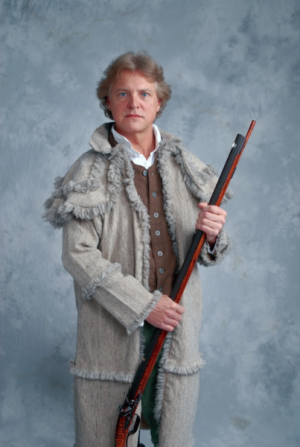
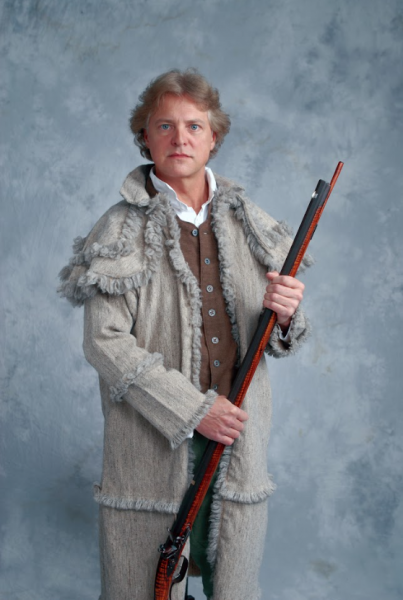
Daniel Boone is the quintessential Kentuckian, having blazed the trails that would become the map of Kentucky through courage, love of the newfound region, and his cunning facility with the land and its native peoples. Born November 2, 1734, Boone quickly demonstrated a preference for the outdoors and established himself as an accomplished hunter and explorer.
Wonderful podcasts and walking tours have been created by our staff. Please enjoy!
Discover everything that's happening this summer at the library!
-
Northside Branch - Classroom
Watercolor painting club with a Youtube lesson each month suitable for beginners, dilettantes, and anyone who just wants to hang out and paint with us. We will be following a series of tutorials that start with the basics at our first meeting and build on those skills with each class that follows. Registration required so I will be able to purchase enough supplies for everyone.


-
Northside Branch - Classroom
Watercolor painting club with a Youtube lesson each month suitable for beginners, dilettantes, and anyone who just wants to hang out and paint with us. We will be following a series of tutorials that start with the basics at our first meeting and build on those skills with each class that follows. Registration required so I will be able to purchase enough supplies for everyone.
-
Northside Branch - Classroom
Watercolor painting club with a Youtube lesson each month suitable for beginners, dilettantes, and anyone who just wants to hang out and paint with us. We will be following a series of tutorials that start with the basics at our first meeting and build on those skills with each class that follows. Registration required so I will be able to purchase enough supplies for everyone.