








Website Search
Search Website
Displaying results 3201 - 3225 of 3791
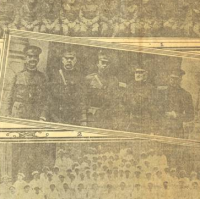
The Council of Defense books contain records for Fayette County’s Army soldiers, Navy sailors, Marines, and Army nurses in World War I, and include information regarding the person’s residence, birth place and date, specific units and en
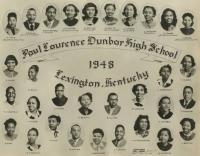
Dunbar High School opened in 1923 at 545 North Upper Street as the only all-black high school in Lexington’s city school system.
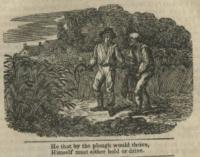
The Kentucky Almanac was a regional almanac that began printing in 1788, at the office of John Bradford’s Kentucky Gazette in Lexington.
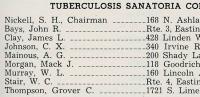
The Kentucky Mountain Club was founded in 1929 as a social organization for residents of Lexington, Kentucky, who had been born or resided in the counties of eastern Kentucky.
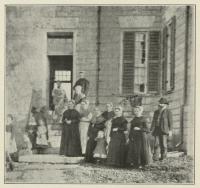
Shaker Village of Pleasant Hill has existed outside of Harrodsburg for over 200 years, and is a popular site to visit today.
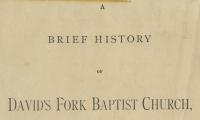
In 1768, Lewis Craig and other members of the Spotsylvania Baptist Church were arrested for preaching without a license issued by the Church of England. Their case was later defended by Patrick Henry.
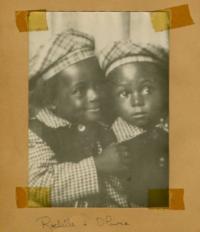
The loose scrapbook pages were given to the library, since the original owner is not known.
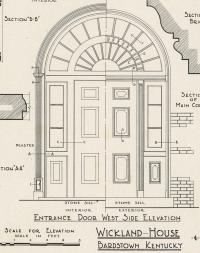
Old Kentucky Architecture is a comprehensive book by Rexford Newcomb that was published in 1940.
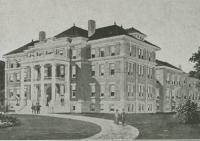
Fayette County's buildings contain a great deal of history about the region and its inhabitants.
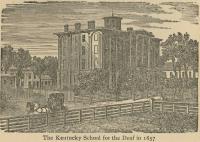
The Kentucky School for the Deaf, located in Danville, was created in 1822. The first class of students were admitted beginning in April 1823. Through a partnership with Centre College, the school's board identified John A
The Cyrus Parker Jones Funeral Notice collection contains 667 funeral cards of Lexington residents during the years of 1806-1886.
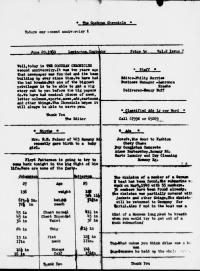
The Cochran Chronicle appears to be a neighborhood leaflet created by two school children, Philip Borries and Laurence Kraehe, living on Cochran Road in the Chevy Chase area of Lexington, KY in 1960.
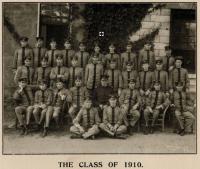
The Kentucky Military Institute was a military preparatory boarding school from 1845 to 1971, chartered by the state legislature in 1847. It had several homes, with the longest in Lyndon, Kentucky, outside of Louisville.
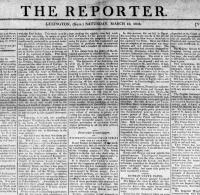
The Reporter was published from March 1808-September 1817, by William W. Worsley. It was a Republican paper (Jeffersonian Democratic Republican - liberal at the time).
While the focus of content in the digital archive is Fayette County, many other counties are represented. This list is in alphabetical order by county name for non-Fayette County content.
Anderson County

The Kentucky Pioneer Genealogy and Records Magazine published various articles about early Kentucky history as a quarterly publication from 1979-1985, then annually 1986-1988.

The Kentucky Reporter was published from October 1817-April 1832, by William W. Worsley and Thomas Smith. It is the direct continuation of the The Reporter.
Advisory Board
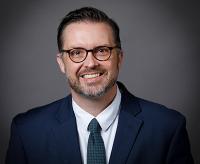
Craig Cammack is a graduate of Hanover College, where he studied political science and social movements. He has been a vocal advocate for legislation promoting equality and fairness. Craig was Chairman of Lexington Fairness in 2010, 2011, and 2012. While Craig served on the board, Lexington Fairness grew dramatically with a focus on outreach to Ally support groups, organizations and businesses.
Mariam and Wayne discuss the rich history of baseball in Kentucky.
We are committed to supporting our democracy by providing nonpartisan voting information, whether you choose to cast an early ballot or go to the polls on Election Day.
Our commitment to listening, learning and changing is ongoing and our work is never complete. We affirm that we achieve more together because of our differences, not despite them. When all voices are heard, we are stronger.
Gallery
Kentucky Room Gallery (Central Library, Third Floor)
Exhibit Dates
-
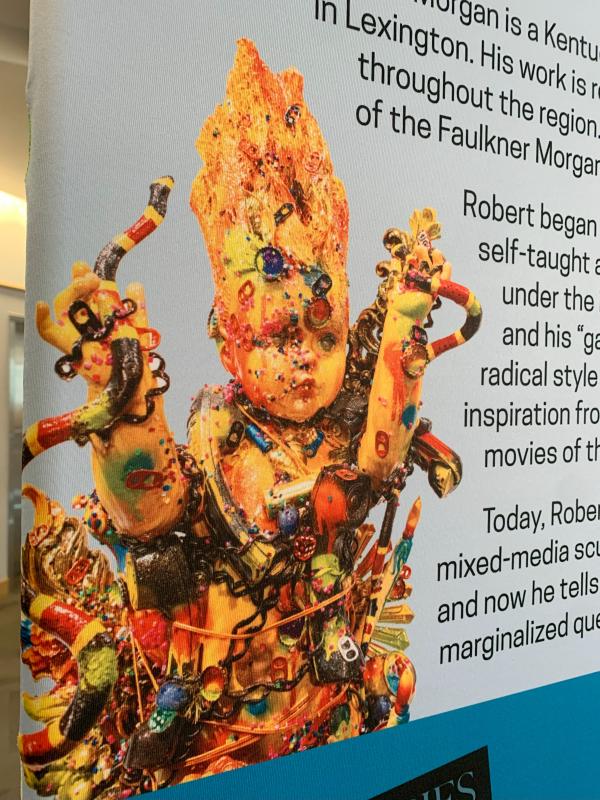
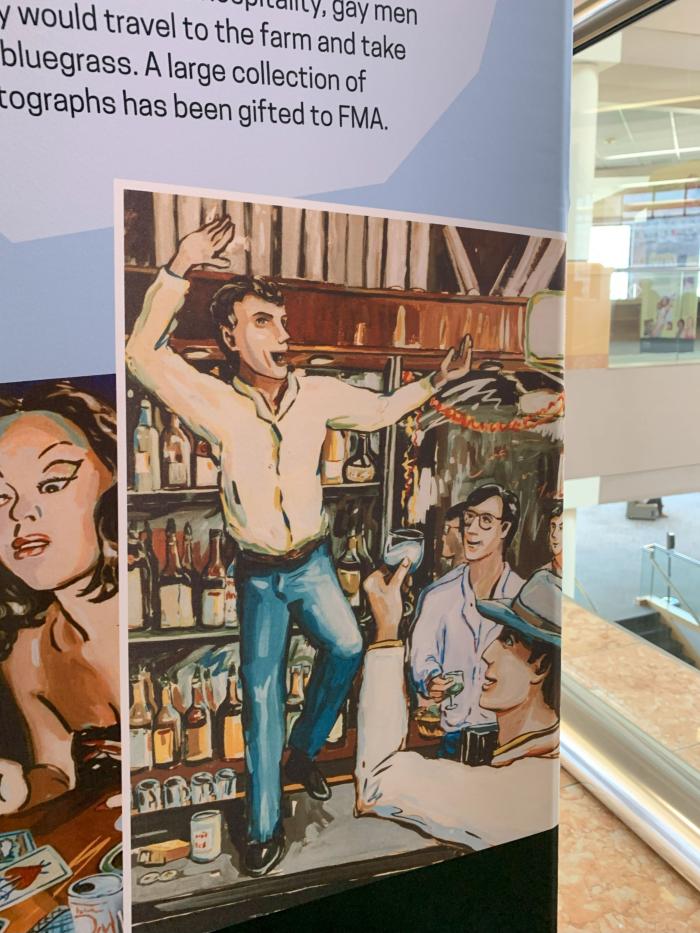
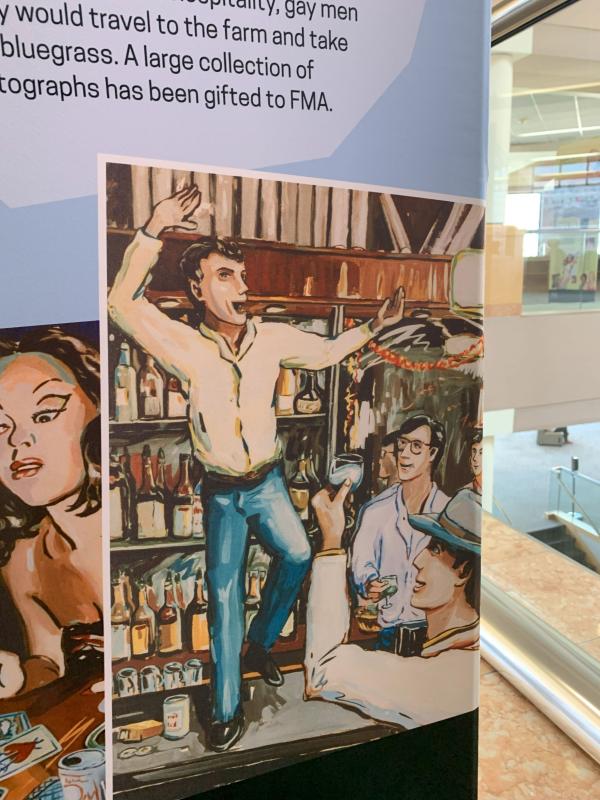
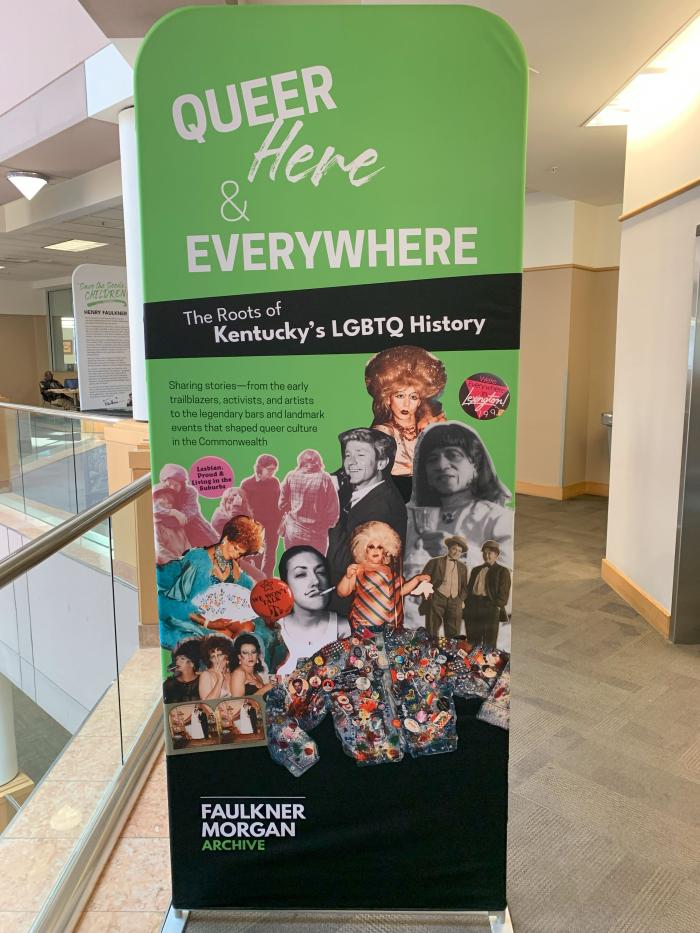
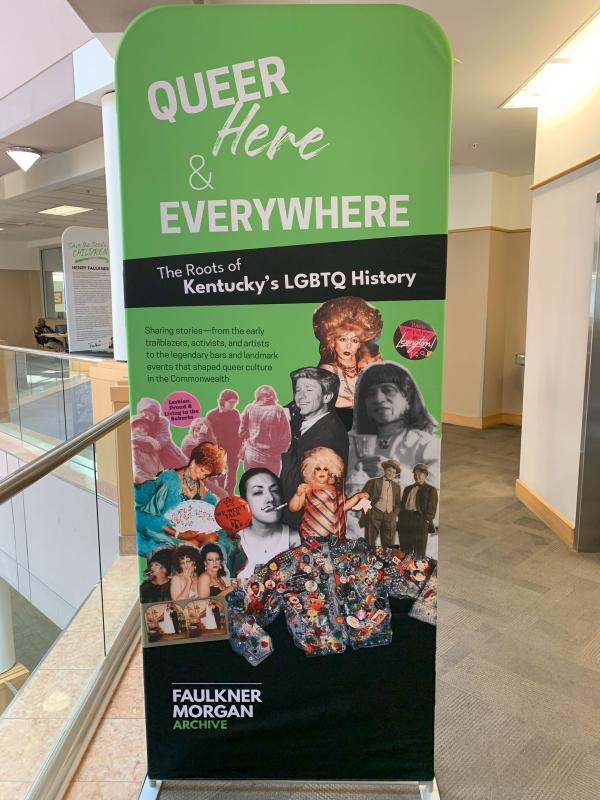
Queer, Here, & Everywhere: The Roots of Kentucky’s LGBTQ History is the first comprehensive exhibition of Lexington’s LGBTQ history, showcasing the importance of the queer community in this city
Highlighting key moments and figures in Lexington's LGBTQ history, from Sweet Evening Breeze's drag performances in the 1920s to the passage of the Fairness Ordinance in 1999, this exhibit celebrates the resilience and contributions of the queer community. By shedding light on these often overlooked narratives, we hope to foster a greater sense of belonging for LGBTQ individuals in Lexington while also promoting understanding and appreciation among the broader population.
Learn more about this exhibit here.

Jennifer hosts a staff discussion of the Lexington Public Library’s Community Read, The Sum of Us by Heather McGhee. Erin interviews AnnaMarie about DEI at the library.