








Website Search
Search Website
Displaying results 151 - 175 of 388
The Cyrus Parker Jones Funeral Notice collection contains 667 funeral cards of Lexington residents during the years of 1806-1886.
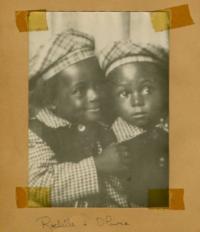
The loose scrapbook pages were given to the library, since the original owner is not known.
Walking Tour
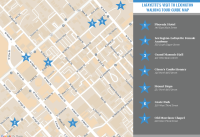
Join us for a walking tour of the places the Marquis de Lafayette visited in downtown Lexington in 1825!
Tour Length 1.76 miles
The music clips used in this tour are from “Walking Barefoot on Grass” by Kai Engel, and are used with a CCBY license. It is available here.
Join us for a walking tour of the places the Marquis de Lafayette visited in downtown Lexington in 1825!
Tour Length 1.76 miles
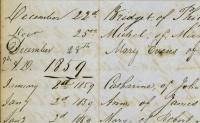
St. Paul Catholic Church is one of the oldest existing churches in Lexington. The records for the parish go back to 1854. The ledgers are part of the church's historical archive, and contain unique records for Lexington's history.
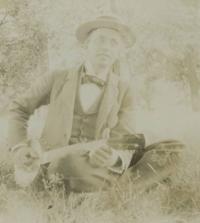
The Lexington Musicians' Association is the local chapter of the American Federation of Musicians (Local 554-635) and was chartered in 1910.
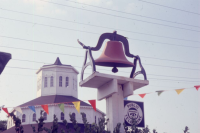
The Fayette County Images contains photographs of Lexington and Fayette County Kentucky.
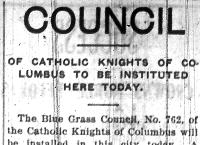
The Knights of Columbus is a fraternal Catholic service organization begun in the 1880s. In 1903, the local Bluegrass Council 762 became the third chapter in Kentucky, and it acquired its 4th degree status in 1920.
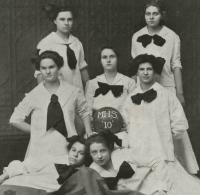
The Morton School Number 1, Lexington’s first public city school in 1834, was originally built on the corner of Walnut (later Martin Luther King Dr.) and Short Street.
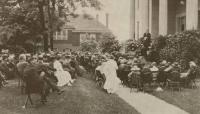
The Hamilton Female College catalogs list the school’s Board of Trustees, faculty, alumnae, graduates that year, directory of students, courses of study, and the members of each department.
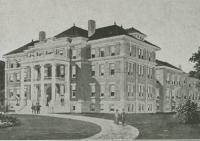
Fayette County's buildings contain a great deal of history about the region and its inhabitants.
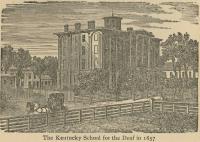
The Kentucky School for the Deaf, located in Danville, was created in 1822. The first class of students were admitted beginning in April 1823. Through a partnership with Centre College, the school's board identified John A
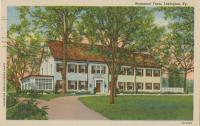
The Kentucky Postcard collection contains images of well-known sites in Central Kentucky, such as Keeneland, Transylvania University, Ashland, and many others.
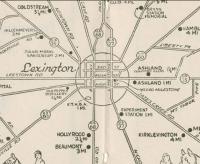
The Kentucky Room's collections contain Lexington's residential directories going back over 200 years, and are some of the most useful resources for researchers looking for family information, neighborhood histories, and house histories.
The Kentucky Rally Songs pamphlet contains 42 songs compiled and printed by the state chapter of the Woman’s Christian Temperance Union, to be used at the many gatherings and rallies that they organized in the late 19th and ea
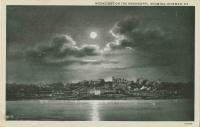
The Knowles Postcard Collection contains images of notable Kentucky locations, such as Ashland, Keeneland, and Mammoth Cave, as well as county courthouses, farms, schools, and many others.
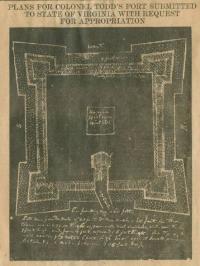
In 1917, the Woman’s Club of Central Kentucky hosted a series of speakers giving historical sketches on people and places of local interest.
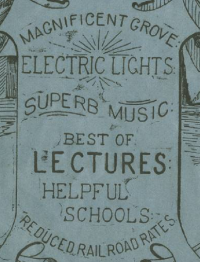
The Kentucky Chautauqua Assembly presented an annual event in Lexington’s Woodland Park with days of programming. Presentations varied from live music and entertainment to lectures and speeches from national figures.
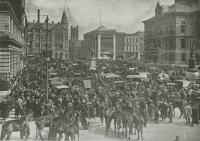
Illustrated Lexington Kentucky contains photographs, demographics, commerce and financial information about Lexington up to 1919.
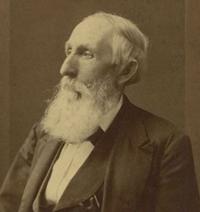
The Lexington Public Library opened a Carnegie library in 1905. It incorporated the collections of the former subscription Lexington Library Company (est.1801) and the former Transylvania Library (est.1795).
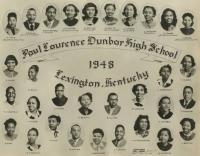
Dunbar High School opened in 1923 at 545 North Upper Street as the only all-black high school in Lexington’s city school system.
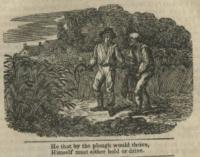
The Kentucky Almanac was a regional almanac that began printing in 1788, at the office of John Bradford’s Kentucky Gazette in Lexington.
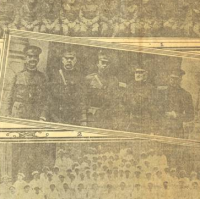
The Council of Defense books contain records for Fayette County’s Army soldiers, Navy sailors, Marines, and Army nurses in World War I, and include information regarding the person’s residence, birth place and date, specific units and en
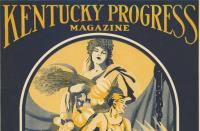
The Kentucky Progress Commission was formed in 1928 in order to draw tourism and business to Kentucky. It was formed by the Kentucky Legislature, and was a 12 person board.
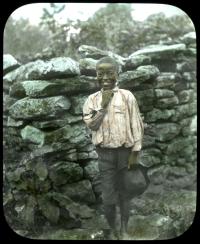
Elmer L. Foote served as official photographer of the Cincinnati Public Library for many years, and produced photographs that appeared in the Cincinnati Commercial Tribune during the early years of the twentieth century.
Major Henry Clay McDowell purchased the Ashland Estate from Kentucky University in 1882 with his wife, Anne Smith Clay McDowell, who was a granddaughter of Henry Clay. The McDowells took great care to revive the grounds to their fo