







The first Kentucky almanacs were printed by John Bradford, on the same printing press that published the Kentucky Gazette. The Kentucky almanacs in the library's…

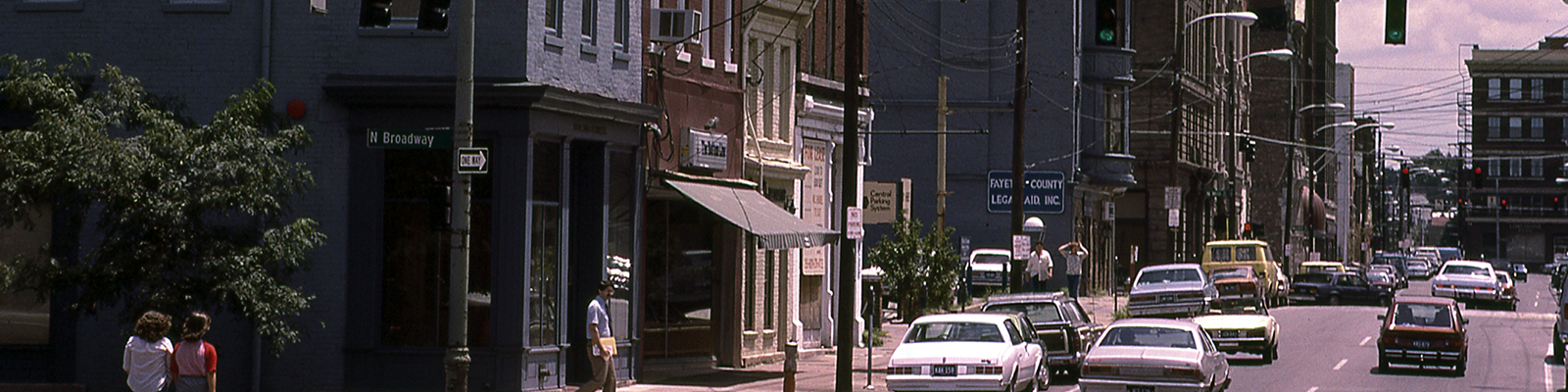
The League of Women Voters of Lexington, Kentucky, was established in 1920. It is the local chapter of a national nonpartisan nonprofit organization that encourages informed and active participation of citizens in local, state, and national government.
In January 1920, Lexington’s Leader reported, “The Fayette County Equal Rights Association will become the Fayette County League of Women Voters when thirty-six states have ratified the Federal suffrage amendment or the Kentucky Legislature grants presidential suffrage to women.” The 19th amendment to legalize women’s voting rights had been approved by both the House and Senate in July, 1919, and was submitted to the states for ratification, requiring 36 for adoption. Tennessee became the 36th state on August 18, 1920. On August 26, 1920, the nineteenth amendment was signed into law.
Kentucky was the 24th state to ratify on January 6, 1920, and the local chapter of the League of Women Voters was formed, seven months before national ratification. In addition, on March 29, 1920, Kentucky passed and signed a separate bill ensuring that Kentucky women would have the right to vote, in case ratification was not reached.
At the time, Madeline McDowell Breckinridge of Ashland was the president of the Kentucky Equal Rights Association, and Mabel Sawyer McVey was the president of the Fayette County chapter. These and many other organizations had lobbied for national suffrage, and women were able to vote for the first time in the 1920 election between Warren G. Harding and James M. Cox.
Since its creation, the League of Women Voters has played an active role in encouraging voter registration and civic engagement in the community.
The collection contains assorted membership rolls, photographs, and documents for the local chapter.
The first Kentucky almanacs were printed by John Bradford, on the same printing press that published the Kentucky Gazette. The Kentucky almanacs in the library's…
Fayette County's buildings contain a great deal of history about the region and its inhabitants. The earliest structure in Lexington was built in 1779, the Blockhouse. Lexington currently has over…
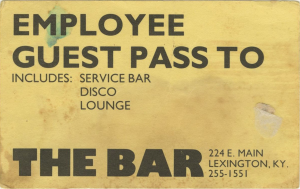
The collection consists of an image, homemade brochures, flyers, pamphlets, and programs covering LGBTQ+ events and places from 1983 to 1999 in both Lexington and Louisville. Subjects include…
The Bath County Memorial Library was founded in 1949 by the Owingsville Women’s Club, and opened in January, 1950. It expanded into a bookmobile in 1953, and in 1963 moved into the old Farmer’s…
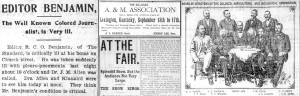
The Black Community News Collection compiles searchable newspaper articles and ads for local Black community events, schools, social gatherings, church events, obituaries, and wedding…
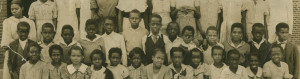
The Brown-Hocker Collection is a community collection of photos and realia from African American events and people in Lexington and Kentucky history.
The objects in the collection are…
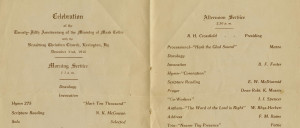
This collection contains materials from Lexington and Fayette County religious groups.
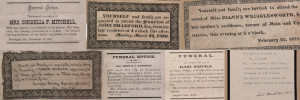
Compiled by Cyrus Parker Jones, a man formerly enslaved by the Parker family, these funeral notices cover 667 funerals of individuals in Lexington, including seven free blacks. The funeral notices…
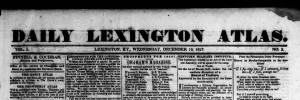
The Daily Lexington Atlas ran from December 11, 1847 through November 20, 1848 and was Lexington’s first daily paper, and the first to publish information from the telegraph lines. It was…
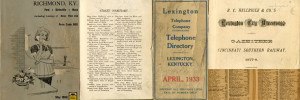
The library has a variety of directories and yearbooks with local information. In the library's current digital collection, there is a selection of residential and street directories, yearbooks,…
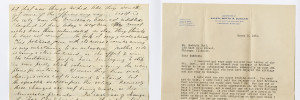
Various objects found in our Duncan-Goff scrapbook collection.
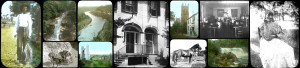
Elmer L. Foote served as official photographer of the Cincinnati Public Library for many years, and produced photographs that appeared in the Cincinnati Commercial Tribune …
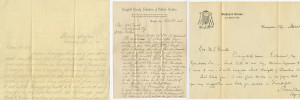
Letters from and/or about Father William T. Punch and the Punch family. Donated by a Lexington resident to Lexington Public Library. Father Punch was instrumental in building…

Until 1974, Lexington and Fayette County had two separate governing bodies. Lexington itself was founded in 1775 and chartered in 1782 by an act of the Virginia General Assembly,…
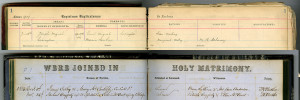
The St. Paul Catholic Church Collection includes materials from the Church's archive. The Roman Catholic church is over 150 years old, and is located on West Short Street, in downtown Lexington.…
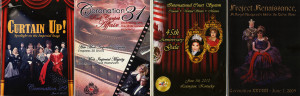
Founded in 1982 by Gigi Galore (Greg Butler) and Blanche Pink (Marlon Austin), the Imperial Court of Kentucky, Inc., is a nonprofit charity that supports the LGBTQ+ community of…
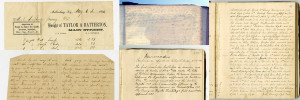
The Judge Kenneth Lyons collection consists of an atlas, a journal, and letters. The atlas features copies of letters written on the blank pages of the atlas. The journal contains family and local…
The Junior League of Lexington (JLL) is a local nonprofit organization of women committed to improving community through volunteerism. The first Junior League was established in 1901…
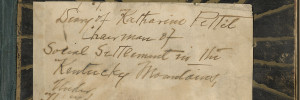
The diary (ca. 1899) of Katherine Pettit, details her settlement work for the Kentucky Confederation of Women's Clubs, made yearly trips to Hazard during this period and was a central figure in…
The Dunn Photograph Collection contains images of Lexington, KY taken in the 1960s and 1980s. Keller J. Dunn (1917-2000) born in Lexington, KY, shot hundreds of pictures of…
The library's collection contains many event pamphlets for Lexington and Kentucky counties, including county anniversary celebrations, suffragette songs, chautauquas, and community events and…
The photographs in the library's collection are donated from a variety of individuals.
The Ashland-McDowell Collection shows an unknown gathering of friends and…
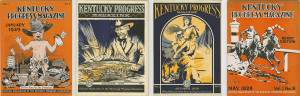
The Kentucky Progress Commission was formed in 1928 in order to draw tourism and business to Kentucky. It was formed by the Kentucky Legislature, and was a 12 person board. The “Kentucky…
The League of Women Voters of Lexington, Kentucky, was established in 1920. It is the local chapter of a national nonpartisan nonprofit organization that encourages informed and…
The Lexington History Museum began in 1998, and opened its doors in the Old Courthouse in 2003. Its purpose is to educate Fayette County about its rich history, and preserve pieces of that history…
The Lexington Public Library opened a Carnegie library in 1905. It incorporated the collections of the former subscription Lexington Library Company (est.1801) and the former…
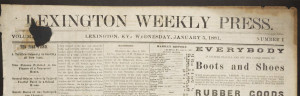
The Lexington Weekly Press was published every Wednesday in Lexington, Kentucky, and contained local, state, and foreign news. The paper focused on Central Kentucky’s “agriculture,…
The military history collection contains relevant histories and records that focus on Kentuckians involved at home and abroad, and includes a collection of United States Army Training Center…
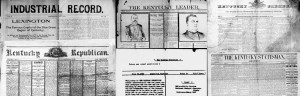
The Micellaneous Newspaper collection combines scattered issues of various historic newspapers in our archive collection.
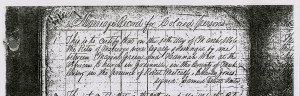
Scans of the Black Marriage records from the Courthouse in Greenville, Kentucky.
The collection contains various postcards featuring places in and around Kentucky and includes a selection donated by the Knowles family. The postcards in the library's collection were donated by…
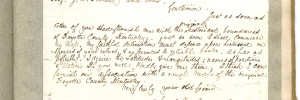
This is a handwritten series of lectures detailing Samuel D. McCullough's memories of his childhood and life in Lexington, Kentucky, accompanied by letters and a photograph of his house. The…
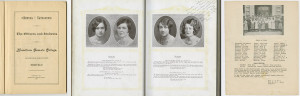
The Schools and Yearbooks collection contains historical and modern yearbooks and other school documents owned by and donated to the Lexington Public Library.
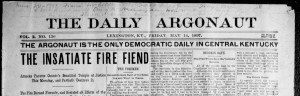
The Daily Argonaut began in 1895 and seems to have ceased publication in 1899. This collection includes scattered issues from 1896, 1897 and 1898. The paper focuses more on sensational news and…
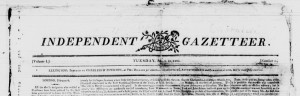
The Independent Gazetteer was founded and printed by James Charless in 1803, with ads appearing in the Kentucky Gazette about its upcoming…

The Kentucky Gazette was the first paper established west of the Allegheny Mountains, founded by John and Fielding Bradford. The frontier paper focused on East Coast and International news,…
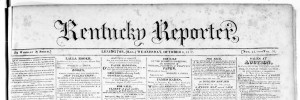
The Kentucky Reporter was published from October 1817-April 1832, by William W. Worsley and Thomas Smith. It is the direct continuation of the The Reporter. Politically, it was a…
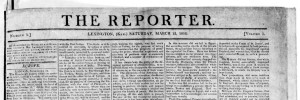
The Reporter was published from March 1808-September 1817, by William W. Worsley. It was a Republican paper (Jeffersonian Democratic Republican - liberal at the time). The paper was published…
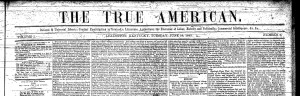
The True American was an anti-slavery newspaper started by Cassius Marcellus Clay in June 1845. He ran the paper in Lexington until August of 1845, when he published an…
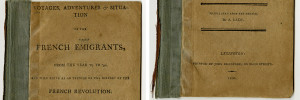
This work contains information about French Emigrants to America over the years 1789-1799, and provides a history of the French Revolution. The work was originally in French, and was translated…
The collection contains various postcards featuring places in and around Kentucky and includes a selection donated by the Knowles family. The postcards in the library's collection were donated by various individuals throughout the years.
The first Kentucky almanacs were printed by John Bradford, on the same printing press that published the Kentucky Gazette. The Kentucky almanacs in the library's…
Fayette County's buildings contain a great deal of history about the region and its inhabitants. The earliest structure in Lexington was built in 1779, the Blockhouse. Lexington currently has over…
The collection consists of an image, homemade brochures, flyers, pamphlets, and programs covering LGBTQ+ events and places from 1983 to 1999 in both Lexington and Louisville. Subjects include…
The Bath County Memorial Library was founded in 1949 by the Owingsville Women’s Club, and opened in January, 1950. It expanded into a bookmobile in 1953, and in 1963 moved into the old Farmer’s…
The Black Community News Collection compiles searchable newspaper articles and ads for local Black community events, schools, social gatherings, church events, obituaries, and wedding…
The Brown-Hocker Collection is a community collection of photos and realia from African American events and people in Lexington and Kentucky history.
The objects in the collection are…
This collection contains materials from Lexington and Fayette County religious groups.
Compiled by Cyrus Parker Jones, a man formerly enslaved by the Parker family, these funeral notices cover 667 funerals of individuals in Lexington, including seven free blacks. The funeral notices…
The Daily Lexington Atlas ran from December 11, 1847 through November 20, 1848 and was Lexington’s first daily paper, and the first to publish information from the telegraph lines. It was…
The library has a variety of directories and yearbooks with local information. In the library's current digital collection, there is a selection of residential and street directories, yearbooks,…
Various objects found in our Duncan-Goff scrapbook collection.
Elmer L. Foote served as official photographer of the Cincinnati Public Library for many years, and produced photographs that appeared in the Cincinnati Commercial Tribune …
Letters from and/or about Father William T. Punch and the Punch family. Donated by a Lexington resident to Lexington Public Library. Father Punch was instrumental in building…
Until 1974, Lexington and Fayette County had two separate governing bodies. Lexington itself was founded in 1775 and chartered in 1782 by an act of the Virginia General Assembly,…
The St. Paul Catholic Church Collection includes materials from the Church's archive. The Roman Catholic church is over 150 years old, and is located on West Short Street, in downtown Lexington.…
Founded in 1982 by Gigi Galore (Greg Butler) and Blanche Pink (Marlon Austin), the Imperial Court of Kentucky, Inc., is a nonprofit charity that supports the LGBTQ+ community of…
The Judge Kenneth Lyons collection consists of an atlas, a journal, and letters. The atlas features copies of letters written on the blank pages of the atlas. The journal contains family and local…
The Junior League of Lexington (JLL) is a local nonprofit organization of women committed to improving community through volunteerism. The first Junior League was established in 1901…
The diary (ca. 1899) of Katherine Pettit, details her settlement work for the Kentucky Confederation of Women's Clubs, made yearly trips to Hazard during this period and was a central figure in…
The Dunn Photograph Collection contains images of Lexington, KY taken in the 1960s and 1980s. Keller J. Dunn (1917-2000) born in Lexington, KY, shot hundreds of pictures of…
The library's collection contains many event pamphlets for Lexington and Kentucky counties, including county anniversary celebrations, suffragette songs, chautauquas, and community events and…
The photographs in the library's collection are donated from a variety of individuals.
The Ashland-McDowell Collection shows an unknown gathering of friends and…
The Kentucky Progress Commission was formed in 1928 in order to draw tourism and business to Kentucky. It was formed by the Kentucky Legislature, and was a 12 person board. The “Kentucky…
The League of Women Voters of Lexington, Kentucky, was established in 1920. It is the local chapter of a national nonpartisan nonprofit organization that encourages informed and…
The Lexington History Museum began in 1998, and opened its doors in the Old Courthouse in 2003. Its purpose is to educate Fayette County about its rich history, and preserve pieces of that history…
The Lexington Public Library opened a Carnegie library in 1905. It incorporated the collections of the former subscription Lexington Library Company (est.1801) and the former…
The Lexington Weekly Press was published every Wednesday in Lexington, Kentucky, and contained local, state, and foreign news. The paper focused on Central Kentucky’s “agriculture,…
The military history collection contains relevant histories and records that focus on Kentuckians involved at home and abroad, and includes a collection of United States Army Training Center…
The Micellaneous Newspaper collection combines scattered issues of various historic newspapers in our archive collection.
Scans of the Black Marriage records from the Courthouse in Greenville, Kentucky.
The collection contains various postcards featuring places in and around Kentucky and includes a selection donated by the Knowles family. The postcards in the library's collection were donated by…
This is a handwritten series of lectures detailing Samuel D. McCullough's memories of his childhood and life in Lexington, Kentucky, accompanied by letters and a photograph of his house. The…
The Schools and Yearbooks collection contains historical and modern yearbooks and other school documents owned by and donated to the Lexington Public Library.
The Daily Argonaut began in 1895 and seems to have ceased publication in 1899. This collection includes scattered issues from 1896, 1897 and 1898. The paper focuses more on sensational news and…
The Independent Gazetteer was founded and printed by James Charless in 1803, with ads appearing in the Kentucky Gazette about its upcoming…
The Kentucky Gazette was the first paper established west of the Allegheny Mountains, founded by John and Fielding Bradford. The frontier paper focused on East Coast and International news,…
The Kentucky Reporter was published from October 1817-April 1832, by William W. Worsley and Thomas Smith. It is the direct continuation of the The Reporter. Politically, it was a…
The Reporter was published from March 1808-September 1817, by William W. Worsley. It was a Republican paper (Jeffersonian Democratic Republican - liberal at the time). The paper was published…
The True American was an anti-slavery newspaper started by Cassius Marcellus Clay in June 1845. He ran the paper in Lexington until August of 1845, when he published an…
This work contains information about French Emigrants to America over the years 1789-1799, and provides a history of the French Revolution. The work was originally in French, and was translated…
The Lexington Public Library’s Digital Archives provide open access to researchers and students to learn more about the rich history of Lexington and Fayette County. It contains a fraction of the Library’s physical holdings, which are housed and available for reference in the Kentucky Room at the Central Library. New material is being digitized and added constantly, so there's always something new to find.
The Lexington Public Library has made an effort to ensure that all of our digital collections are public domain, or that we have gotten approval from the copyright holders to display their work. Most - but not all - of these collections, to the best of our knowledge, have no known US copyright restrictions. Some items in the collection are under copyright but qualify for online display by libraries under Section 108(h) of United States Copyright Law. Some of the collections provided in the Library's Digital Archives are made available under an assertion of fair use, which does not necessarily apply to an individual's use of them.
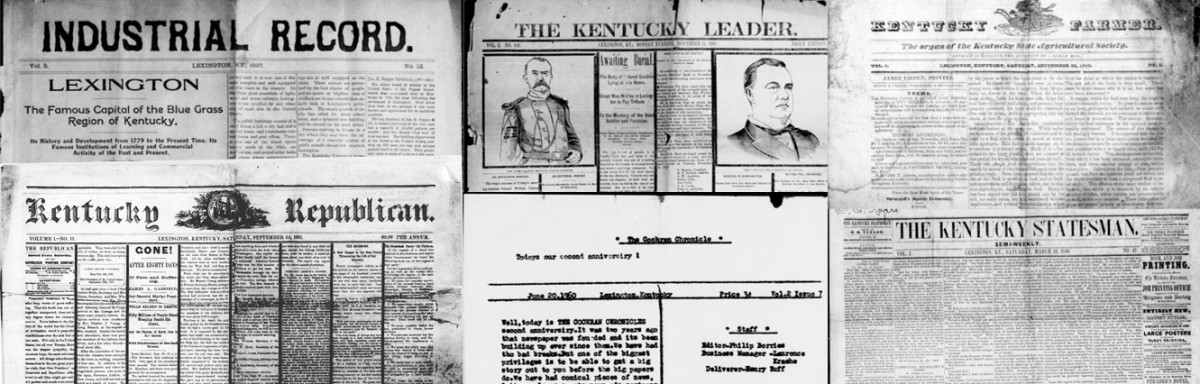
The Micellaneous Newspaper collection combines scattered issues of various historic newspapers in our archive collection.
The first Kentucky almanacs were printed by John Bradford, on the same printing press that published the Kentucky Gazette. The Kentucky almanacs in the library's…
Fayette County's buildings contain a great deal of history about the region and its inhabitants. The earliest structure in Lexington was built in 1779, the Blockhouse. Lexington currently has over…
The collection consists of an image, homemade brochures, flyers, pamphlets, and programs covering LGBTQ+ events and places from 1983 to 1999 in both Lexington and Louisville. Subjects include…
The Bath County Memorial Library was founded in 1949 by the Owingsville Women’s Club, and opened in January, 1950. It expanded into a bookmobile in 1953, and in 1963 moved into the old Farmer’s…
The Black Community News Collection compiles searchable newspaper articles and ads for local Black community events, schools, social gatherings, church events, obituaries, and wedding…
The Brown-Hocker Collection is a community collection of photos and realia from African American events and people in Lexington and Kentucky history.
The objects in the collection are…
This collection contains materials from Lexington and Fayette County religious groups.
Compiled by Cyrus Parker Jones, a man formerly enslaved by the Parker family, these funeral notices cover 667 funerals of individuals in Lexington, including seven free blacks. The funeral notices…
The Daily Lexington Atlas ran from December 11, 1847 through November 20, 1848 and was Lexington’s first daily paper, and the first to publish information from the telegraph lines. It was…
The library has a variety of directories and yearbooks with local information. In the library's current digital collection, there is a selection of residential and street directories, yearbooks,…
Various objects found in our Duncan-Goff scrapbook collection.
Elmer L. Foote served as official photographer of the Cincinnati Public Library for many years, and produced photographs that appeared in the Cincinnati Commercial Tribune …
Letters from and/or about Father William T. Punch and the Punch family. Donated by a Lexington resident to Lexington Public Library. Father Punch was instrumental in building…
Until 1974, Lexington and Fayette County had two separate governing bodies. Lexington itself was founded in 1775 and chartered in 1782 by an act of the Virginia General Assembly,…
The St. Paul Catholic Church Collection includes materials from the Church's archive. The Roman Catholic church is over 150 years old, and is located on West Short Street, in downtown Lexington.…
Founded in 1982 by Gigi Galore (Greg Butler) and Blanche Pink (Marlon Austin), the Imperial Court of Kentucky, Inc., is a nonprofit charity that supports the LGBTQ+ community of…
The Judge Kenneth Lyons collection consists of an atlas, a journal, and letters. The atlas features copies of letters written on the blank pages of the atlas. The journal contains family and local…
The Junior League of Lexington (JLL) is a local nonprofit organization of women committed to improving community through volunteerism. The first Junior League was established in 1901…
The diary (ca. 1899) of Katherine Pettit, details her settlement work for the Kentucky Confederation of Women's Clubs, made yearly trips to Hazard during this period and was a central figure in…
The Dunn Photograph Collection contains images of Lexington, KY taken in the 1960s and 1980s. Keller J. Dunn (1917-2000) born in Lexington, KY, shot hundreds of pictures of…
The library's collection contains many event pamphlets for Lexington and Kentucky counties, including county anniversary celebrations, suffragette songs, chautauquas, and community events and…
The photographs in the library's collection are donated from a variety of individuals.
The Ashland-McDowell Collection shows an unknown gathering of friends and…
The Kentucky Progress Commission was formed in 1928 in order to draw tourism and business to Kentucky. It was formed by the Kentucky Legislature, and was a 12 person board. The “Kentucky…
The League of Women Voters of Lexington, Kentucky, was established in 1920. It is the local chapter of a national nonpartisan nonprofit organization that encourages informed and…
The Lexington History Museum began in 1998, and opened its doors in the Old Courthouse in 2003. Its purpose is to educate Fayette County about its rich history, and preserve pieces of that history…
The Lexington Public Library opened a Carnegie library in 1905. It incorporated the collections of the former subscription Lexington Library Company (est.1801) and the former…
The Lexington Weekly Press was published every Wednesday in Lexington, Kentucky, and contained local, state, and foreign news. The paper focused on Central Kentucky’s “agriculture,…
The military history collection contains relevant histories and records that focus on Kentuckians involved at home and abroad, and includes a collection of United States Army Training Center…
The Micellaneous Newspaper collection combines scattered issues of various historic newspapers in our archive collection.
Scans of the Black Marriage records from the Courthouse in Greenville, Kentucky.
The collection contains various postcards featuring places in and around Kentucky and includes a selection donated by the Knowles family. The postcards in the library's collection were donated by…
This is a handwritten series of lectures detailing Samuel D. McCullough's memories of his childhood and life in Lexington, Kentucky, accompanied by letters and a photograph of his house. The…
The Schools and Yearbooks collection contains historical and modern yearbooks and other school documents owned by and donated to the Lexington Public Library.
The Daily Argonaut began in 1895 and seems to have ceased publication in 1899. This collection includes scattered issues from 1896, 1897 and 1898. The paper focuses more on sensational news and…
The Independent Gazetteer was founded and printed by James Charless in 1803, with ads appearing in the Kentucky Gazette about its upcoming…
The Kentucky Gazette was the first paper established west of the Allegheny Mountains, founded by John and Fielding Bradford. The frontier paper focused on East Coast and International news,…
The Kentucky Reporter was published from October 1817-April 1832, by William W. Worsley and Thomas Smith. It is the direct continuation of the The Reporter. Politically, it was a…
The Reporter was published from March 1808-September 1817, by William W. Worsley. It was a Republican paper (Jeffersonian Democratic Republican - liberal at the time). The paper was published…
The True American was an anti-slavery newspaper started by Cassius Marcellus Clay in June 1845. He ran the paper in Lexington until August of 1845, when he published an…
This work contains information about French Emigrants to America over the years 1789-1799, and provides a history of the French Revolution. The work was originally in French, and was translated…
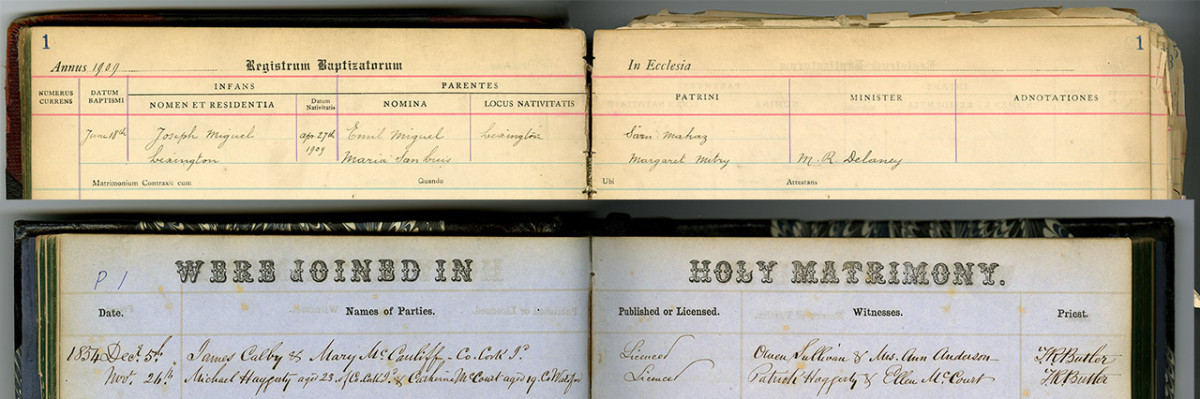
The St. Paul Catholic Church Collection includes materials from the Church's archive. The Roman Catholic church is over 150 years old, and is located on West Short Street, in downtown Lexington.
The first Kentucky almanacs were printed by John Bradford, on the same printing press that published the Kentucky Gazette. The Kentucky almanacs in the library's…
Fayette County's buildings contain a great deal of history about the region and its inhabitants. The earliest structure in Lexington was built in 1779, the Blockhouse. Lexington currently has over…
The collection consists of an image, homemade brochures, flyers, pamphlets, and programs covering LGBTQ+ events and places from 1983 to 1999 in both Lexington and Louisville. Subjects include…
The Bath County Memorial Library was founded in 1949 by the Owingsville Women’s Club, and opened in January, 1950. It expanded into a bookmobile in 1953, and in 1963 moved into the old Farmer’s…
The Black Community News Collection compiles searchable newspaper articles and ads for local Black community events, schools, social gatherings, church events, obituaries, and wedding…
The Brown-Hocker Collection is a community collection of photos and realia from African American events and people in Lexington and Kentucky history.
The objects in the collection are…
This collection contains materials from Lexington and Fayette County religious groups.
Compiled by Cyrus Parker Jones, a man formerly enslaved by the Parker family, these funeral notices cover 667 funerals of individuals in Lexington, including seven free blacks. The funeral notices…
The Daily Lexington Atlas ran from December 11, 1847 through November 20, 1848 and was Lexington’s first daily paper, and the first to publish information from the telegraph lines. It was…
The library has a variety of directories and yearbooks with local information. In the library's current digital collection, there is a selection of residential and street directories, yearbooks,…
Various objects found in our Duncan-Goff scrapbook collection.
Elmer L. Foote served as official photographer of the Cincinnati Public Library for many years, and produced photographs that appeared in the Cincinnati Commercial Tribune …
Letters from and/or about Father William T. Punch and the Punch family. Donated by a Lexington resident to Lexington Public Library. Father Punch was instrumental in building…
Until 1974, Lexington and Fayette County had two separate governing bodies. Lexington itself was founded in 1775 and chartered in 1782 by an act of the Virginia General Assembly,…
The St. Paul Catholic Church Collection includes materials from the Church's archive. The Roman Catholic church is over 150 years old, and is located on West Short Street, in downtown Lexington.…
Founded in 1982 by Gigi Galore (Greg Butler) and Blanche Pink (Marlon Austin), the Imperial Court of Kentucky, Inc., is a nonprofit charity that supports the LGBTQ+ community of…
The Judge Kenneth Lyons collection consists of an atlas, a journal, and letters. The atlas features copies of letters written on the blank pages of the atlas. The journal contains family and local…
The Junior League of Lexington (JLL) is a local nonprofit organization of women committed to improving community through volunteerism. The first Junior League was established in 1901…
The diary (ca. 1899) of Katherine Pettit, details her settlement work for the Kentucky Confederation of Women's Clubs, made yearly trips to Hazard during this period and was a central figure in…
The Dunn Photograph Collection contains images of Lexington, KY taken in the 1960s and 1980s. Keller J. Dunn (1917-2000) born in Lexington, KY, shot hundreds of pictures of…
The library's collection contains many event pamphlets for Lexington and Kentucky counties, including county anniversary celebrations, suffragette songs, chautauquas, and community events and…
The photographs in the library's collection are donated from a variety of individuals.
The Ashland-McDowell Collection shows an unknown gathering of friends and…
The Kentucky Progress Commission was formed in 1928 in order to draw tourism and business to Kentucky. It was formed by the Kentucky Legislature, and was a 12 person board. The “Kentucky…
The League of Women Voters of Lexington, Kentucky, was established in 1920. It is the local chapter of a national nonpartisan nonprofit organization that encourages informed and…
The Lexington History Museum began in 1998, and opened its doors in the Old Courthouse in 2003. Its purpose is to educate Fayette County about its rich history, and preserve pieces of that history…
The Lexington Public Library opened a Carnegie library in 1905. It incorporated the collections of the former subscription Lexington Library Company (est.1801) and the former…
The Lexington Weekly Press was published every Wednesday in Lexington, Kentucky, and contained local, state, and foreign news. The paper focused on Central Kentucky’s “agriculture,…
The military history collection contains relevant histories and records that focus on Kentuckians involved at home and abroad, and includes a collection of United States Army Training Center…
The Micellaneous Newspaper collection combines scattered issues of various historic newspapers in our archive collection.
Scans of the Black Marriage records from the Courthouse in Greenville, Kentucky.
The collection contains various postcards featuring places in and around Kentucky and includes a selection donated by the Knowles family. The postcards in the library's collection were donated by…
This is a handwritten series of lectures detailing Samuel D. McCullough's memories of his childhood and life in Lexington, Kentucky, accompanied by letters and a photograph of his house. The…
The Schools and Yearbooks collection contains historical and modern yearbooks and other school documents owned by and donated to the Lexington Public Library.
The Daily Argonaut began in 1895 and seems to have ceased publication in 1899. This collection includes scattered issues from 1896, 1897 and 1898. The paper focuses more on sensational news and…
The Independent Gazetteer was founded and printed by James Charless in 1803, with ads appearing in the Kentucky Gazette about its upcoming…
The Kentucky Gazette was the first paper established west of the Allegheny Mountains, founded by John and Fielding Bradford. The frontier paper focused on East Coast and International news,…
The Kentucky Reporter was published from October 1817-April 1832, by William W. Worsley and Thomas Smith. It is the direct continuation of the The Reporter. Politically, it was a…
The Reporter was published from March 1808-September 1817, by William W. Worsley. It was a Republican paper (Jeffersonian Democratic Republican - liberal at the time). The paper was published…
The True American was an anti-slavery newspaper started by Cassius Marcellus Clay in June 1845. He ran the paper in Lexington until August of 1845, when he published an…
This work contains information about French Emigrants to America over the years 1789-1799, and provides a history of the French Revolution. The work was originally in French, and was translated…
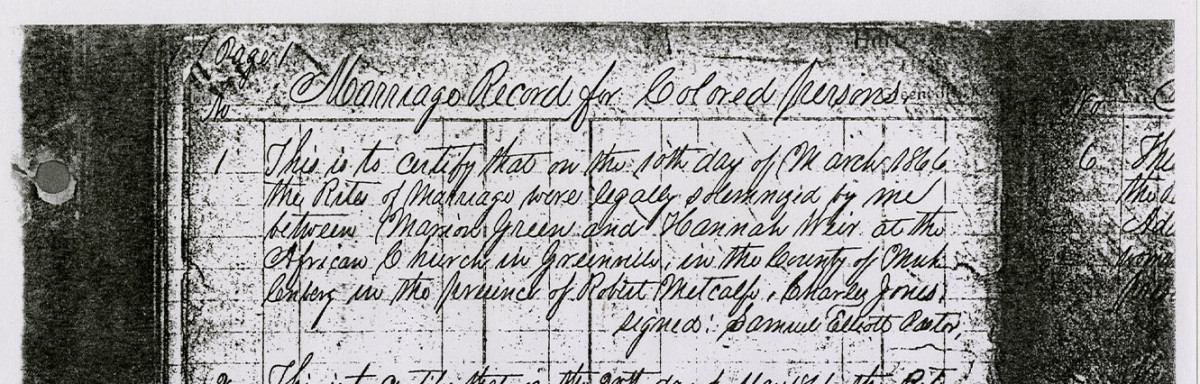
Scans of the Black Marriage records from the Courthouse in Greenville, Kentucky.
The first Kentucky almanacs were printed by John Bradford, on the same printing press that published the Kentucky Gazette. The Kentucky almanacs in the library's…
Fayette County's buildings contain a great deal of history about the region and its inhabitants. The earliest structure in Lexington was built in 1779, the Blockhouse. Lexington currently has over…
The collection consists of an image, homemade brochures, flyers, pamphlets, and programs covering LGBTQ+ events and places from 1983 to 1999 in both Lexington and Louisville. Subjects include…
The Bath County Memorial Library was founded in 1949 by the Owingsville Women’s Club, and opened in January, 1950. It expanded into a bookmobile in 1953, and in 1963 moved into the old Farmer’s…
The Black Community News Collection compiles searchable newspaper articles and ads for local Black community events, schools, social gatherings, church events, obituaries, and wedding…
The Brown-Hocker Collection is a community collection of photos and realia from African American events and people in Lexington and Kentucky history.
The objects in the collection are…
This collection contains materials from Lexington and Fayette County religious groups.
Compiled by Cyrus Parker Jones, a man formerly enslaved by the Parker family, these funeral notices cover 667 funerals of individuals in Lexington, including seven free blacks. The funeral notices…
The Daily Lexington Atlas ran from December 11, 1847 through November 20, 1848 and was Lexington’s first daily paper, and the first to publish information from the telegraph lines. It was…
The library has a variety of directories and yearbooks with local information. In the library's current digital collection, there is a selection of residential and street directories, yearbooks,…
Various objects found in our Duncan-Goff scrapbook collection.
Elmer L. Foote served as official photographer of the Cincinnati Public Library for many years, and produced photographs that appeared in the Cincinnati Commercial Tribune …
Letters from and/or about Father William T. Punch and the Punch family. Donated by a Lexington resident to Lexington Public Library. Father Punch was instrumental in building…
Until 1974, Lexington and Fayette County had two separate governing bodies. Lexington itself was founded in 1775 and chartered in 1782 by an act of the Virginia General Assembly,…
The St. Paul Catholic Church Collection includes materials from the Church's archive. The Roman Catholic church is over 150 years old, and is located on West Short Street, in downtown Lexington.…
Founded in 1982 by Gigi Galore (Greg Butler) and Blanche Pink (Marlon Austin), the Imperial Court of Kentucky, Inc., is a nonprofit charity that supports the LGBTQ+ community of…
The Judge Kenneth Lyons collection consists of an atlas, a journal, and letters. The atlas features copies of letters written on the blank pages of the atlas. The journal contains family and local…
The Junior League of Lexington (JLL) is a local nonprofit organization of women committed to improving community through volunteerism. The first Junior League was established in 1901…
The diary (ca. 1899) of Katherine Pettit, details her settlement work for the Kentucky Confederation of Women's Clubs, made yearly trips to Hazard during this period and was a central figure in…
The Dunn Photograph Collection contains images of Lexington, KY taken in the 1960s and 1980s. Keller J. Dunn (1917-2000) born in Lexington, KY, shot hundreds of pictures of…
The library's collection contains many event pamphlets for Lexington and Kentucky counties, including county anniversary celebrations, suffragette songs, chautauquas, and community events and…
The photographs in the library's collection are donated from a variety of individuals.
The Ashland-McDowell Collection shows an unknown gathering of friends and…
The Kentucky Progress Commission was formed in 1928 in order to draw tourism and business to Kentucky. It was formed by the Kentucky Legislature, and was a 12 person board. The “Kentucky…
The League of Women Voters of Lexington, Kentucky, was established in 1920. It is the local chapter of a national nonpartisan nonprofit organization that encourages informed and…
The Lexington History Museum began in 1998, and opened its doors in the Old Courthouse in 2003. Its purpose is to educate Fayette County about its rich history, and preserve pieces of that history…
The Lexington Public Library opened a Carnegie library in 1905. It incorporated the collections of the former subscription Lexington Library Company (est.1801) and the former…
The Lexington Weekly Press was published every Wednesday in Lexington, Kentucky, and contained local, state, and foreign news. The paper focused on Central Kentucky’s “agriculture,…
The military history collection contains relevant histories and records that focus on Kentuckians involved at home and abroad, and includes a collection of United States Army Training Center…
The Micellaneous Newspaper collection combines scattered issues of various historic newspapers in our archive collection.
Scans of the Black Marriage records from the Courthouse in Greenville, Kentucky.
The collection contains various postcards featuring places in and around Kentucky and includes a selection donated by the Knowles family. The postcards in the library's collection were donated by…
This is a handwritten series of lectures detailing Samuel D. McCullough's memories of his childhood and life in Lexington, Kentucky, accompanied by letters and a photograph of his house. The…
The Schools and Yearbooks collection contains historical and modern yearbooks and other school documents owned by and donated to the Lexington Public Library.
The Daily Argonaut began in 1895 and seems to have ceased publication in 1899. This collection includes scattered issues from 1896, 1897 and 1898. The paper focuses more on sensational news and…
The Independent Gazetteer was founded and printed by James Charless in 1803, with ads appearing in the Kentucky Gazette about its upcoming…
The Kentucky Gazette was the first paper established west of the Allegheny Mountains, founded by John and Fielding Bradford. The frontier paper focused on East Coast and International news,…
The Kentucky Reporter was published from October 1817-April 1832, by William W. Worsley and Thomas Smith. It is the direct continuation of the The Reporter. Politically, it was a…
The Reporter was published from March 1808-September 1817, by William W. Worsley. It was a Republican paper (Jeffersonian Democratic Republican - liberal at the time). The paper was published…
The True American was an anti-slavery newspaper started by Cassius Marcellus Clay in June 1845. He ran the paper in Lexington until August of 1845, when he published an…
This work contains information about French Emigrants to America over the years 1789-1799, and provides a history of the French Revolution. The work was originally in French, and was translated…
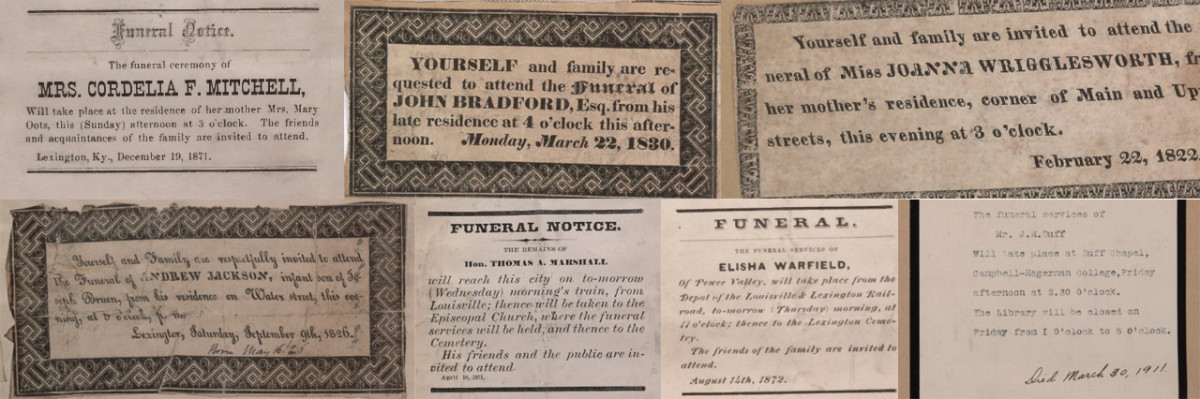
Compiled by Cyrus Parker Jones, a man formerly enslaved by the Parker family, these funeral notices cover 667 funerals of individuals in Lexington, including seven free blacks. The funeral notices cover the years 1806-1886. Jones donated his collection to a trustee of the Lexington Public Library prior to his death in 1887, who then added some notices and donated the collection to the Lexington Public Library in 1900.
The first Kentucky almanacs were printed by John Bradford, on the same printing press that published the Kentucky Gazette. The Kentucky almanacs in the library's…
Fayette County's buildings contain a great deal of history about the region and its inhabitants. The earliest structure in Lexington was built in 1779, the Blockhouse. Lexington currently has over…
The collection consists of an image, homemade brochures, flyers, pamphlets, and programs covering LGBTQ+ events and places from 1983 to 1999 in both Lexington and Louisville. Subjects include…
The Bath County Memorial Library was founded in 1949 by the Owingsville Women’s Club, and opened in January, 1950. It expanded into a bookmobile in 1953, and in 1963 moved into the old Farmer’s…
The Black Community News Collection compiles searchable newspaper articles and ads for local Black community events, schools, social gatherings, church events, obituaries, and wedding…
The Brown-Hocker Collection is a community collection of photos and realia from African American events and people in Lexington and Kentucky history.
The objects in the collection are…
This collection contains materials from Lexington and Fayette County religious groups.
Compiled by Cyrus Parker Jones, a man formerly enslaved by the Parker family, these funeral notices cover 667 funerals of individuals in Lexington, including seven free blacks. The funeral notices…
The Daily Lexington Atlas ran from December 11, 1847 through November 20, 1848 and was Lexington’s first daily paper, and the first to publish information from the telegraph lines. It was…
The library has a variety of directories and yearbooks with local information. In the library's current digital collection, there is a selection of residential and street directories, yearbooks,…
Various objects found in our Duncan-Goff scrapbook collection.
Elmer L. Foote served as official photographer of the Cincinnati Public Library for many years, and produced photographs that appeared in the Cincinnati Commercial Tribune …
Letters from and/or about Father William T. Punch and the Punch family. Donated by a Lexington resident to Lexington Public Library. Father Punch was instrumental in building…
Until 1974, Lexington and Fayette County had two separate governing bodies. Lexington itself was founded in 1775 and chartered in 1782 by an act of the Virginia General Assembly,…
The St. Paul Catholic Church Collection includes materials from the Church's archive. The Roman Catholic church is over 150 years old, and is located on West Short Street, in downtown Lexington.…
Founded in 1982 by Gigi Galore (Greg Butler) and Blanche Pink (Marlon Austin), the Imperial Court of Kentucky, Inc., is a nonprofit charity that supports the LGBTQ+ community of…
The Judge Kenneth Lyons collection consists of an atlas, a journal, and letters. The atlas features copies of letters written on the blank pages of the atlas. The journal contains family and local…
The Junior League of Lexington (JLL) is a local nonprofit organization of women committed to improving community through volunteerism. The first Junior League was established in 1901…
The diary (ca. 1899) of Katherine Pettit, details her settlement work for the Kentucky Confederation of Women's Clubs, made yearly trips to Hazard during this period and was a central figure in…
The Dunn Photograph Collection contains images of Lexington, KY taken in the 1960s and 1980s. Keller J. Dunn (1917-2000) born in Lexington, KY, shot hundreds of pictures of…
The library's collection contains many event pamphlets for Lexington and Kentucky counties, including county anniversary celebrations, suffragette songs, chautauquas, and community events and…
The photographs in the library's collection are donated from a variety of individuals.
The Ashland-McDowell Collection shows an unknown gathering of friends and…
The Kentucky Progress Commission was formed in 1928 in order to draw tourism and business to Kentucky. It was formed by the Kentucky Legislature, and was a 12 person board. The “Kentucky…
The League of Women Voters of Lexington, Kentucky, was established in 1920. It is the local chapter of a national nonpartisan nonprofit organization that encourages informed and…
The Lexington History Museum began in 1998, and opened its doors in the Old Courthouse in 2003. Its purpose is to educate Fayette County about its rich history, and preserve pieces of that history…
The Lexington Public Library opened a Carnegie library in 1905. It incorporated the collections of the former subscription Lexington Library Company (est.1801) and the former…
The Lexington Weekly Press was published every Wednesday in Lexington, Kentucky, and contained local, state, and foreign news. The paper focused on Central Kentucky’s “agriculture,…
The military history collection contains relevant histories and records that focus on Kentuckians involved at home and abroad, and includes a collection of United States Army Training Center…
The Micellaneous Newspaper collection combines scattered issues of various historic newspapers in our archive collection.
Scans of the Black Marriage records from the Courthouse in Greenville, Kentucky.
The collection contains various postcards featuring places in and around Kentucky and includes a selection donated by the Knowles family. The postcards in the library's collection were donated by…
This is a handwritten series of lectures detailing Samuel D. McCullough's memories of his childhood and life in Lexington, Kentucky, accompanied by letters and a photograph of his house. The…
The Schools and Yearbooks collection contains historical and modern yearbooks and other school documents owned by and donated to the Lexington Public Library.
The Daily Argonaut began in 1895 and seems to have ceased publication in 1899. This collection includes scattered issues from 1896, 1897 and 1898. The paper focuses more on sensational news and…
The Independent Gazetteer was founded and printed by James Charless in 1803, with ads appearing in the Kentucky Gazette about its upcoming…
The Kentucky Gazette was the first paper established west of the Allegheny Mountains, founded by John and Fielding Bradford. The frontier paper focused on East Coast and International news,…
The Kentucky Reporter was published from October 1817-April 1832, by William W. Worsley and Thomas Smith. It is the direct continuation of the The Reporter. Politically, it was a…
The Reporter was published from March 1808-September 1817, by William W. Worsley. It was a Republican paper (Jeffersonian Democratic Republican - liberal at the time). The paper was published…
The True American was an anti-slavery newspaper started by Cassius Marcellus Clay in June 1845. He ran the paper in Lexington until August of 1845, when he published an…
This work contains information about French Emigrants to America over the years 1789-1799, and provides a history of the French Revolution. The work was originally in French, and was translated…
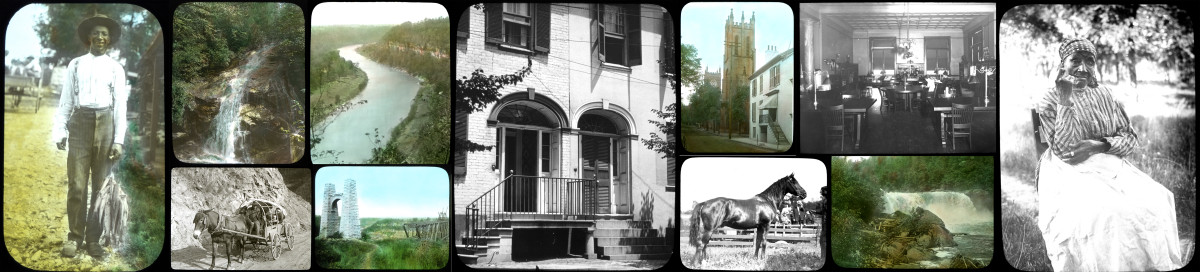
Elmer L. Foote served as official photographer of the Cincinnati Public Library for many years, and produced photographs that appeared in the Cincinnati Commercial Tribune during the early years of the twentieth century. Lantern slides are glass positive transparencies, viewed through a back lit projector. The Lexington Public Library does not have record of when the slides were donated, or the donor’s name. Records do indicate that the library purchased a projectoscope for viewing glass slides in 1912, and a separate lantern slide collection was donated to the library in 1919. The slides contain examples of posed portraiture, scenery from around Kentucky, documentation of the new High Bridge, as well as several historic buildings and homes, some of which are unidentified.
He was born in Glastonbury, Connecticut on February 27, 1863, the son of Edwin Foote and Ellen Hodges Foote, both natives of Connecticut. He came to Cincinnati about 1884 and married Estelle Allee of Cincinnati in 1888. Foote died at age 56 in Norwood, Ohio on September 21, 1919 and is buried in Spring Grove Cemetery, Cincinnati, Ohio. Foote's obituary in the Commercial Tribune of September 22, 1919 describes him as nationally known, and mentions his "photographic genius." The article further describes Foote's pictures taken among the Cumberland Mountains and outdoor scenic snow views, appearing at intervals in the Commercial Tribune, as photographic classics.
The first Kentucky almanacs were printed by John Bradford, on the same printing press that published the Kentucky Gazette. The Kentucky almanacs in the library's…
Fayette County's buildings contain a great deal of history about the region and its inhabitants. The earliest structure in Lexington was built in 1779, the Blockhouse. Lexington currently has over…
The collection consists of an image, homemade brochures, flyers, pamphlets, and programs covering LGBTQ+ events and places from 1983 to 1999 in both Lexington and Louisville. Subjects include…
The Bath County Memorial Library was founded in 1949 by the Owingsville Women’s Club, and opened in January, 1950. It expanded into a bookmobile in 1953, and in 1963 moved into the old Farmer’s…
The Black Community News Collection compiles searchable newspaper articles and ads for local Black community events, schools, social gatherings, church events, obituaries, and wedding…
The Brown-Hocker Collection is a community collection of photos and realia from African American events and people in Lexington and Kentucky history.
The objects in the collection are…
This collection contains materials from Lexington and Fayette County religious groups.
Compiled by Cyrus Parker Jones, a man formerly enslaved by the Parker family, these funeral notices cover 667 funerals of individuals in Lexington, including seven free blacks. The funeral notices…
The Daily Lexington Atlas ran from December 11, 1847 through November 20, 1848 and was Lexington’s first daily paper, and the first to publish information from the telegraph lines. It was…
The library has a variety of directories and yearbooks with local information. In the library's current digital collection, there is a selection of residential and street directories, yearbooks,…
Various objects found in our Duncan-Goff scrapbook collection.
Elmer L. Foote served as official photographer of the Cincinnati Public Library for many years, and produced photographs that appeared in the Cincinnati Commercial Tribune …
Letters from and/or about Father William T. Punch and the Punch family. Donated by a Lexington resident to Lexington Public Library. Father Punch was instrumental in building…
Until 1974, Lexington and Fayette County had two separate governing bodies. Lexington itself was founded in 1775 and chartered in 1782 by an act of the Virginia General Assembly,…
The St. Paul Catholic Church Collection includes materials from the Church's archive. The Roman Catholic church is over 150 years old, and is located on West Short Street, in downtown Lexington.…
Founded in 1982 by Gigi Galore (Greg Butler) and Blanche Pink (Marlon Austin), the Imperial Court of Kentucky, Inc., is a nonprofit charity that supports the LGBTQ+ community of…
The Judge Kenneth Lyons collection consists of an atlas, a journal, and letters. The atlas features copies of letters written on the blank pages of the atlas. The journal contains family and local…
The Junior League of Lexington (JLL) is a local nonprofit organization of women committed to improving community through volunteerism. The first Junior League was established in 1901…
The diary (ca. 1899) of Katherine Pettit, details her settlement work for the Kentucky Confederation of Women's Clubs, made yearly trips to Hazard during this period and was a central figure in…
The Dunn Photograph Collection contains images of Lexington, KY taken in the 1960s and 1980s. Keller J. Dunn (1917-2000) born in Lexington, KY, shot hundreds of pictures of…
The library's collection contains many event pamphlets for Lexington and Kentucky counties, including county anniversary celebrations, suffragette songs, chautauquas, and community events and…
The photographs in the library's collection are donated from a variety of individuals.
The Ashland-McDowell Collection shows an unknown gathering of friends and…
The Kentucky Progress Commission was formed in 1928 in order to draw tourism and business to Kentucky. It was formed by the Kentucky Legislature, and was a 12 person board. The “Kentucky…
The League of Women Voters of Lexington, Kentucky, was established in 1920. It is the local chapter of a national nonpartisan nonprofit organization that encourages informed and…
The Lexington History Museum began in 1998, and opened its doors in the Old Courthouse in 2003. Its purpose is to educate Fayette County about its rich history, and preserve pieces of that history…
The Lexington Public Library opened a Carnegie library in 1905. It incorporated the collections of the former subscription Lexington Library Company (est.1801) and the former…
The Lexington Weekly Press was published every Wednesday in Lexington, Kentucky, and contained local, state, and foreign news. The paper focused on Central Kentucky’s “agriculture,…
The military history collection contains relevant histories and records that focus on Kentuckians involved at home and abroad, and includes a collection of United States Army Training Center…
The Micellaneous Newspaper collection combines scattered issues of various historic newspapers in our archive collection.
Scans of the Black Marriage records from the Courthouse in Greenville, Kentucky.
The collection contains various postcards featuring places in and around Kentucky and includes a selection donated by the Knowles family. The postcards in the library's collection were donated by…
This is a handwritten series of lectures detailing Samuel D. McCullough's memories of his childhood and life in Lexington, Kentucky, accompanied by letters and a photograph of his house. The…
The Schools and Yearbooks collection contains historical and modern yearbooks and other school documents owned by and donated to the Lexington Public Library.
The Daily Argonaut began in 1895 and seems to have ceased publication in 1899. This collection includes scattered issues from 1896, 1897 and 1898. The paper focuses more on sensational news and…
The Independent Gazetteer was founded and printed by James Charless in 1803, with ads appearing in the Kentucky Gazette about its upcoming…
The Kentucky Gazette was the first paper established west of the Allegheny Mountains, founded by John and Fielding Bradford. The frontier paper focused on East Coast and International news,…
The Kentucky Reporter was published from October 1817-April 1832, by William W. Worsley and Thomas Smith. It is the direct continuation of the The Reporter. Politically, it was a…
The Reporter was published from March 1808-September 1817, by William W. Worsley. It was a Republican paper (Jeffersonian Democratic Republican - liberal at the time). The paper was published…
The True American was an anti-slavery newspaper started by Cassius Marcellus Clay in June 1845. He ran the paper in Lexington until August of 1845, when he published an…
This work contains information about French Emigrants to America over the years 1789-1799, and provides a history of the French Revolution. The work was originally in French, and was translated…
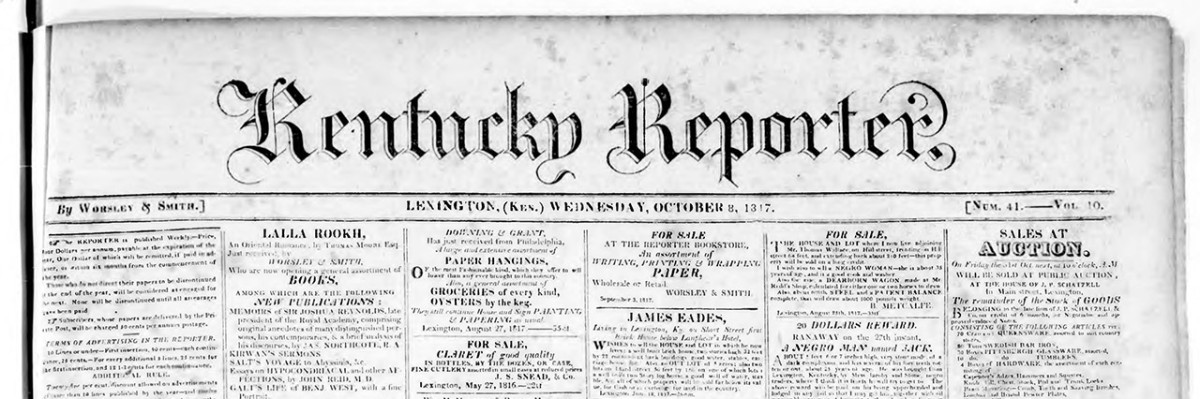
The Kentucky Reporter was published from October 1817-April 1832, by William W. Worsley and Thomas Smith. It is the direct continuation of the The Reporter. Politically, it was a Republican paper (Jeffersonian Democratic Republican - liberal at the time.) It reported local and national news, elections, and speeches. The Library’s digital and microfilm collection ends in December 1830, but the bound volumes are available by request in the Kentucky Room Closed Stacks through 1832.
The first Kentucky almanacs were printed by John Bradford, on the same printing press that published the Kentucky Gazette. The Kentucky almanacs in the library's…
Fayette County's buildings contain a great deal of history about the region and its inhabitants. The earliest structure in Lexington was built in 1779, the Blockhouse. Lexington currently has over…
The collection consists of an image, homemade brochures, flyers, pamphlets, and programs covering LGBTQ+ events and places from 1983 to 1999 in both Lexington and Louisville. Subjects include…
The Bath County Memorial Library was founded in 1949 by the Owingsville Women’s Club, and opened in January, 1950. It expanded into a bookmobile in 1953, and in 1963 moved into the old Farmer’s…
The Black Community News Collection compiles searchable newspaper articles and ads for local Black community events, schools, social gatherings, church events, obituaries, and wedding…
The Brown-Hocker Collection is a community collection of photos and realia from African American events and people in Lexington and Kentucky history.
The objects in the collection are…
This collection contains materials from Lexington and Fayette County religious groups.
Compiled by Cyrus Parker Jones, a man formerly enslaved by the Parker family, these funeral notices cover 667 funerals of individuals in Lexington, including seven free blacks. The funeral notices…
The Daily Lexington Atlas ran from December 11, 1847 through November 20, 1848 and was Lexington’s first daily paper, and the first to publish information from the telegraph lines. It was…
The library has a variety of directories and yearbooks with local information. In the library's current digital collection, there is a selection of residential and street directories, yearbooks,…
Various objects found in our Duncan-Goff scrapbook collection.
Elmer L. Foote served as official photographer of the Cincinnati Public Library for many years, and produced photographs that appeared in the Cincinnati Commercial Tribune …
Letters from and/or about Father William T. Punch and the Punch family. Donated by a Lexington resident to Lexington Public Library. Father Punch was instrumental in building…
Until 1974, Lexington and Fayette County had two separate governing bodies. Lexington itself was founded in 1775 and chartered in 1782 by an act of the Virginia General Assembly,…
The St. Paul Catholic Church Collection includes materials from the Church's archive. The Roman Catholic church is over 150 years old, and is located on West Short Street, in downtown Lexington.…
Founded in 1982 by Gigi Galore (Greg Butler) and Blanche Pink (Marlon Austin), the Imperial Court of Kentucky, Inc., is a nonprofit charity that supports the LGBTQ+ community of…
The Judge Kenneth Lyons collection consists of an atlas, a journal, and letters. The atlas features copies of letters written on the blank pages of the atlas. The journal contains family and local…
The Junior League of Lexington (JLL) is a local nonprofit organization of women committed to improving community through volunteerism. The first Junior League was established in 1901…
The diary (ca. 1899) of Katherine Pettit, details her settlement work for the Kentucky Confederation of Women's Clubs, made yearly trips to Hazard during this period and was a central figure in…
The Dunn Photograph Collection contains images of Lexington, KY taken in the 1960s and 1980s. Keller J. Dunn (1917-2000) born in Lexington, KY, shot hundreds of pictures of…
The library's collection contains many event pamphlets for Lexington and Kentucky counties, including county anniversary celebrations, suffragette songs, chautauquas, and community events and…
The photographs in the library's collection are donated from a variety of individuals.
The Ashland-McDowell Collection shows an unknown gathering of friends and…
The Kentucky Progress Commission was formed in 1928 in order to draw tourism and business to Kentucky. It was formed by the Kentucky Legislature, and was a 12 person board. The “Kentucky…
The League of Women Voters of Lexington, Kentucky, was established in 1920. It is the local chapter of a national nonpartisan nonprofit organization that encourages informed and…
The Lexington History Museum began in 1998, and opened its doors in the Old Courthouse in 2003. Its purpose is to educate Fayette County about its rich history, and preserve pieces of that history…
The Lexington Public Library opened a Carnegie library in 1905. It incorporated the collections of the former subscription Lexington Library Company (est.1801) and the former…
The Lexington Weekly Press was published every Wednesday in Lexington, Kentucky, and contained local, state, and foreign news. The paper focused on Central Kentucky’s “agriculture,…
The military history collection contains relevant histories and records that focus on Kentuckians involved at home and abroad, and includes a collection of United States Army Training Center…
The Micellaneous Newspaper collection combines scattered issues of various historic newspapers in our archive collection.
Scans of the Black Marriage records from the Courthouse in Greenville, Kentucky.
The collection contains various postcards featuring places in and around Kentucky and includes a selection donated by the Knowles family. The postcards in the library's collection were donated by…
This is a handwritten series of lectures detailing Samuel D. McCullough's memories of his childhood and life in Lexington, Kentucky, accompanied by letters and a photograph of his house. The…
The Schools and Yearbooks collection contains historical and modern yearbooks and other school documents owned by and donated to the Lexington Public Library.
The Daily Argonaut began in 1895 and seems to have ceased publication in 1899. This collection includes scattered issues from 1896, 1897 and 1898. The paper focuses more on sensational news and…
The Independent Gazetteer was founded and printed by James Charless in 1803, with ads appearing in the Kentucky Gazette about its upcoming…
The Kentucky Gazette was the first paper established west of the Allegheny Mountains, founded by John and Fielding Bradford. The frontier paper focused on East Coast and International news,…
The Kentucky Reporter was published from October 1817-April 1832, by William W. Worsley and Thomas Smith. It is the direct continuation of the The Reporter. Politically, it was a…
The Reporter was published from March 1808-September 1817, by William W. Worsley. It was a Republican paper (Jeffersonian Democratic Republican - liberal at the time). The paper was published…
The True American was an anti-slavery newspaper started by Cassius Marcellus Clay in June 1845. He ran the paper in Lexington until August of 1845, when he published an…
This work contains information about French Emigrants to America over the years 1789-1799, and provides a history of the French Revolution. The work was originally in French, and was translated…
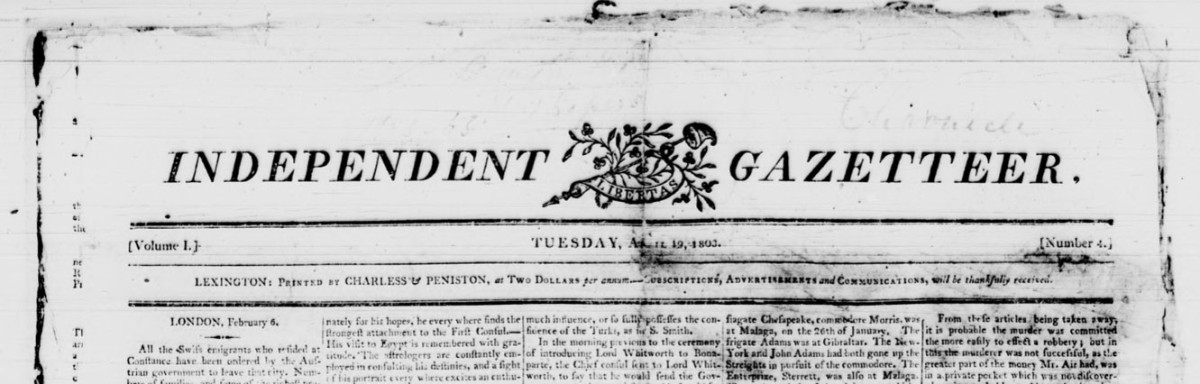
The Independent Gazetteer was founded and printed by James Charless in 1803, with ads appearing in the Kentucky Gazette about its upcoming publication. The first issue was printed March 29, 1803. The paper was later sold to Robert Kay and then to T. Anderson. This collection contains issues from 1803 and 1804, though the paper may have been published through 1809.
The first Kentucky almanacs were printed by John Bradford, on the same printing press that published the Kentucky Gazette. The Kentucky almanacs in the library's…
Fayette County's buildings contain a great deal of history about the region and its inhabitants. The earliest structure in Lexington was built in 1779, the Blockhouse. Lexington currently has over…
The collection consists of an image, homemade brochures, flyers, pamphlets, and programs covering LGBTQ+ events and places from 1983 to 1999 in both Lexington and Louisville. Subjects include…
The Bath County Memorial Library was founded in 1949 by the Owingsville Women’s Club, and opened in January, 1950. It expanded into a bookmobile in 1953, and in 1963 moved into the old Farmer’s…
The Black Community News Collection compiles searchable newspaper articles and ads for local Black community events, schools, social gatherings, church events, obituaries, and wedding…
The Brown-Hocker Collection is a community collection of photos and realia from African American events and people in Lexington and Kentucky history.
The objects in the collection are…
This collection contains materials from Lexington and Fayette County religious groups.
Compiled by Cyrus Parker Jones, a man formerly enslaved by the Parker family, these funeral notices cover 667 funerals of individuals in Lexington, including seven free blacks. The funeral notices…
The Daily Lexington Atlas ran from December 11, 1847 through November 20, 1848 and was Lexington’s first daily paper, and the first to publish information from the telegraph lines. It was…
The library has a variety of directories and yearbooks with local information. In the library's current digital collection, there is a selection of residential and street directories, yearbooks,…
Various objects found in our Duncan-Goff scrapbook collection.
Elmer L. Foote served as official photographer of the Cincinnati Public Library for many years, and produced photographs that appeared in the Cincinnati Commercial Tribune …
Letters from and/or about Father William T. Punch and the Punch family. Donated by a Lexington resident to Lexington Public Library. Father Punch was instrumental in building…
Until 1974, Lexington and Fayette County had two separate governing bodies. Lexington itself was founded in 1775 and chartered in 1782 by an act of the Virginia General Assembly,…
The St. Paul Catholic Church Collection includes materials from the Church's archive. The Roman Catholic church is over 150 years old, and is located on West Short Street, in downtown Lexington.…
Founded in 1982 by Gigi Galore (Greg Butler) and Blanche Pink (Marlon Austin), the Imperial Court of Kentucky, Inc., is a nonprofit charity that supports the LGBTQ+ community of…
The Judge Kenneth Lyons collection consists of an atlas, a journal, and letters. The atlas features copies of letters written on the blank pages of the atlas. The journal contains family and local…
The Junior League of Lexington (JLL) is a local nonprofit organization of women committed to improving community through volunteerism. The first Junior League was established in 1901…
The diary (ca. 1899) of Katherine Pettit, details her settlement work for the Kentucky Confederation of Women's Clubs, made yearly trips to Hazard during this period and was a central figure in…
The Dunn Photograph Collection contains images of Lexington, KY taken in the 1960s and 1980s. Keller J. Dunn (1917-2000) born in Lexington, KY, shot hundreds of pictures of…
The library's collection contains many event pamphlets for Lexington and Kentucky counties, including county anniversary celebrations, suffragette songs, chautauquas, and community events and…
The photographs in the library's collection are donated from a variety of individuals.
The Ashland-McDowell Collection shows an unknown gathering of friends and…
The Kentucky Progress Commission was formed in 1928 in order to draw tourism and business to Kentucky. It was formed by the Kentucky Legislature, and was a 12 person board. The “Kentucky…
The League of Women Voters of Lexington, Kentucky, was established in 1920. It is the local chapter of a national nonpartisan nonprofit organization that encourages informed and…
The Lexington History Museum began in 1998, and opened its doors in the Old Courthouse in 2003. Its purpose is to educate Fayette County about its rich history, and preserve pieces of that history…
The Lexington Public Library opened a Carnegie library in 1905. It incorporated the collections of the former subscription Lexington Library Company (est.1801) and the former…
The Lexington Weekly Press was published every Wednesday in Lexington, Kentucky, and contained local, state, and foreign news. The paper focused on Central Kentucky’s “agriculture,…
The military history collection contains relevant histories and records that focus on Kentuckians involved at home and abroad, and includes a collection of United States Army Training Center…
The Micellaneous Newspaper collection combines scattered issues of various historic newspapers in our archive collection.
Scans of the Black Marriage records from the Courthouse in Greenville, Kentucky.
The collection contains various postcards featuring places in and around Kentucky and includes a selection donated by the Knowles family. The postcards in the library's collection were donated by…
This is a handwritten series of lectures detailing Samuel D. McCullough's memories of his childhood and life in Lexington, Kentucky, accompanied by letters and a photograph of his house. The…
The Schools and Yearbooks collection contains historical and modern yearbooks and other school documents owned by and donated to the Lexington Public Library.
The Daily Argonaut began in 1895 and seems to have ceased publication in 1899. This collection includes scattered issues from 1896, 1897 and 1898. The paper focuses more on sensational news and…
The Independent Gazetteer was founded and printed by James Charless in 1803, with ads appearing in the Kentucky Gazette about its upcoming…
The Kentucky Gazette was the first paper established west of the Allegheny Mountains, founded by John and Fielding Bradford. The frontier paper focused on East Coast and International news,…
The Kentucky Reporter was published from October 1817-April 1832, by William W. Worsley and Thomas Smith. It is the direct continuation of the The Reporter. Politically, it was a…
The Reporter was published from March 1808-September 1817, by William W. Worsley. It was a Republican paper (Jeffersonian Democratic Republican - liberal at the time). The paper was published…
The True American was an anti-slavery newspaper started by Cassius Marcellus Clay in June 1845. He ran the paper in Lexington until August of 1845, when he published an…
This work contains information about French Emigrants to America over the years 1789-1799, and provides a history of the French Revolution. The work was originally in French, and was translated…
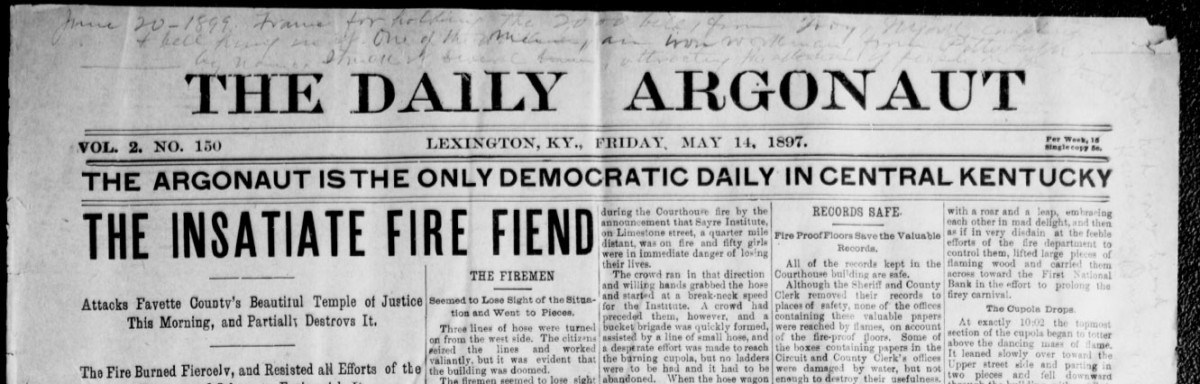
The Daily Argonaut began in 1895 and seems to have ceased publication in 1899. This collection includes scattered issues from 1896, 1897 and 1898. The paper focuses more on sensational news and tabloid-like reporting, though it later claims to be the only "Democratic Daily" in Central Kentucky. Many of the issues in this collection cover the Pearl Bryan Murder. The 1897 Courthouse Fire is also covered in detail.
The first Kentucky almanacs were printed by John Bradford, on the same printing press that published the Kentucky Gazette. The Kentucky almanacs in the library's…
Fayette County's buildings contain a great deal of history about the region and its inhabitants. The earliest structure in Lexington was built in 1779, the Blockhouse. Lexington currently has over…
The collection consists of an image, homemade brochures, flyers, pamphlets, and programs covering LGBTQ+ events and places from 1983 to 1999 in both Lexington and Louisville. Subjects include…
The Bath County Memorial Library was founded in 1949 by the Owingsville Women’s Club, and opened in January, 1950. It expanded into a bookmobile in 1953, and in 1963 moved into the old Farmer’s…
The Black Community News Collection compiles searchable newspaper articles and ads for local Black community events, schools, social gatherings, church events, obituaries, and wedding…
The Brown-Hocker Collection is a community collection of photos and realia from African American events and people in Lexington and Kentucky history.
The objects in the collection are…
This collection contains materials from Lexington and Fayette County religious groups.
Compiled by Cyrus Parker Jones, a man formerly enslaved by the Parker family, these funeral notices cover 667 funerals of individuals in Lexington, including seven free blacks. The funeral notices…
The Daily Lexington Atlas ran from December 11, 1847 through November 20, 1848 and was Lexington’s first daily paper, and the first to publish information from the telegraph lines. It was…
The library has a variety of directories and yearbooks with local information. In the library's current digital collection, there is a selection of residential and street directories, yearbooks,…
Various objects found in our Duncan-Goff scrapbook collection.
Elmer L. Foote served as official photographer of the Cincinnati Public Library for many years, and produced photographs that appeared in the Cincinnati Commercial Tribune …
Letters from and/or about Father William T. Punch and the Punch family. Donated by a Lexington resident to Lexington Public Library. Father Punch was instrumental in building…
Until 1974, Lexington and Fayette County had two separate governing bodies. Lexington itself was founded in 1775 and chartered in 1782 by an act of the Virginia General Assembly,…
The St. Paul Catholic Church Collection includes materials from the Church's archive. The Roman Catholic church is over 150 years old, and is located on West Short Street, in downtown Lexington.…
Founded in 1982 by Gigi Galore (Greg Butler) and Blanche Pink (Marlon Austin), the Imperial Court of Kentucky, Inc., is a nonprofit charity that supports the LGBTQ+ community of…
The Judge Kenneth Lyons collection consists of an atlas, a journal, and letters. The atlas features copies of letters written on the blank pages of the atlas. The journal contains family and local…
The Junior League of Lexington (JLL) is a local nonprofit organization of women committed to improving community through volunteerism. The first Junior League was established in 1901…
The diary (ca. 1899) of Katherine Pettit, details her settlement work for the Kentucky Confederation of Women's Clubs, made yearly trips to Hazard during this period and was a central figure in…
The Dunn Photograph Collection contains images of Lexington, KY taken in the 1960s and 1980s. Keller J. Dunn (1917-2000) born in Lexington, KY, shot hundreds of pictures of…
The library's collection contains many event pamphlets for Lexington and Kentucky counties, including county anniversary celebrations, suffragette songs, chautauquas, and community events and…
The photographs in the library's collection are donated from a variety of individuals.
The Ashland-McDowell Collection shows an unknown gathering of friends and…
The Kentucky Progress Commission was formed in 1928 in order to draw tourism and business to Kentucky. It was formed by the Kentucky Legislature, and was a 12 person board. The “Kentucky…
The League of Women Voters of Lexington, Kentucky, was established in 1920. It is the local chapter of a national nonpartisan nonprofit organization that encourages informed and…
The Lexington History Museum began in 1998, and opened its doors in the Old Courthouse in 2003. Its purpose is to educate Fayette County about its rich history, and preserve pieces of that history…
The Lexington Public Library opened a Carnegie library in 1905. It incorporated the collections of the former subscription Lexington Library Company (est.1801) and the former…
The Lexington Weekly Press was published every Wednesday in Lexington, Kentucky, and contained local, state, and foreign news. The paper focused on Central Kentucky’s “agriculture,…
The military history collection contains relevant histories and records that focus on Kentuckians involved at home and abroad, and includes a collection of United States Army Training Center…
The Micellaneous Newspaper collection combines scattered issues of various historic newspapers in our archive collection.
Scans of the Black Marriage records from the Courthouse in Greenville, Kentucky.
The collection contains various postcards featuring places in and around Kentucky and includes a selection donated by the Knowles family. The postcards in the library's collection were donated by…
This is a handwritten series of lectures detailing Samuel D. McCullough's memories of his childhood and life in Lexington, Kentucky, accompanied by letters and a photograph of his house. The…
The Schools and Yearbooks collection contains historical and modern yearbooks and other school documents owned by and donated to the Lexington Public Library.
The Daily Argonaut began in 1895 and seems to have ceased publication in 1899. This collection includes scattered issues from 1896, 1897 and 1898. The paper focuses more on sensational news and…
The Independent Gazetteer was founded and printed by James Charless in 1803, with ads appearing in the Kentucky Gazette about its upcoming…
The Kentucky Gazette was the first paper established west of the Allegheny Mountains, founded by John and Fielding Bradford. The frontier paper focused on East Coast and International news,…
The Kentucky Reporter was published from October 1817-April 1832, by William W. Worsley and Thomas Smith. It is the direct continuation of the The Reporter. Politically, it was a…
The Reporter was published from March 1808-September 1817, by William W. Worsley. It was a Republican paper (Jeffersonian Democratic Republican - liberal at the time). The paper was published…
The True American was an anti-slavery newspaper started by Cassius Marcellus Clay in June 1845. He ran the paper in Lexington until August of 1845, when he published an…
This work contains information about French Emigrants to America over the years 1789-1799, and provides a history of the French Revolution. The work was originally in French, and was translated…
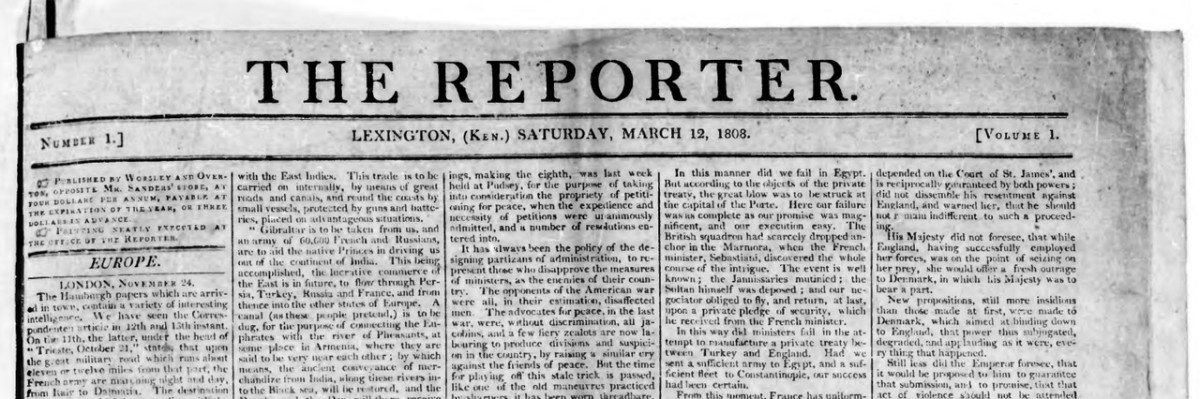
The Reporter was published from March 1808-September 1817, by William W. Worsley. It was a Republican paper (Jeffersonian Democratic Republican - liberal at the time). The paper was published throughout the War of 1812, and was occasionally semi-weekly when Congress was in session. The name of the paper changed to Kentucky Reporter in October 1817.
The first Kentucky almanacs were printed by John Bradford, on the same printing press that published the Kentucky Gazette. The Kentucky almanacs in the library's…
Fayette County's buildings contain a great deal of history about the region and its inhabitants. The earliest structure in Lexington was built in 1779, the Blockhouse. Lexington currently has over…
The collection consists of an image, homemade brochures, flyers, pamphlets, and programs covering LGBTQ+ events and places from 1983 to 1999 in both Lexington and Louisville. Subjects include…
The Bath County Memorial Library was founded in 1949 by the Owingsville Women’s Club, and opened in January, 1950. It expanded into a bookmobile in 1953, and in 1963 moved into the old Farmer’s…
The Black Community News Collection compiles searchable newspaper articles and ads for local Black community events, schools, social gatherings, church events, obituaries, and wedding…
The Brown-Hocker Collection is a community collection of photos and realia from African American events and people in Lexington and Kentucky history.
The objects in the collection are…
This collection contains materials from Lexington and Fayette County religious groups.
Compiled by Cyrus Parker Jones, a man formerly enslaved by the Parker family, these funeral notices cover 667 funerals of individuals in Lexington, including seven free blacks. The funeral notices…
The Daily Lexington Atlas ran from December 11, 1847 through November 20, 1848 and was Lexington’s first daily paper, and the first to publish information from the telegraph lines. It was…
The library has a variety of directories and yearbooks with local information. In the library's current digital collection, there is a selection of residential and street directories, yearbooks,…
Various objects found in our Duncan-Goff scrapbook collection.
Elmer L. Foote served as official photographer of the Cincinnati Public Library for many years, and produced photographs that appeared in the Cincinnati Commercial Tribune …
Letters from and/or about Father William T. Punch and the Punch family. Donated by a Lexington resident to Lexington Public Library. Father Punch was instrumental in building…
Until 1974, Lexington and Fayette County had two separate governing bodies. Lexington itself was founded in 1775 and chartered in 1782 by an act of the Virginia General Assembly,…
The St. Paul Catholic Church Collection includes materials from the Church's archive. The Roman Catholic church is over 150 years old, and is located on West Short Street, in downtown Lexington.…
Founded in 1982 by Gigi Galore (Greg Butler) and Blanche Pink (Marlon Austin), the Imperial Court of Kentucky, Inc., is a nonprofit charity that supports the LGBTQ+ community of…
The Judge Kenneth Lyons collection consists of an atlas, a journal, and letters. The atlas features copies of letters written on the blank pages of the atlas. The journal contains family and local…
The Junior League of Lexington (JLL) is a local nonprofit organization of women committed to improving community through volunteerism. The first Junior League was established in 1901…
The diary (ca. 1899) of Katherine Pettit, details her settlement work for the Kentucky Confederation of Women's Clubs, made yearly trips to Hazard during this period and was a central figure in…
The Dunn Photograph Collection contains images of Lexington, KY taken in the 1960s and 1980s. Keller J. Dunn (1917-2000) born in Lexington, KY, shot hundreds of pictures of…
The library's collection contains many event pamphlets for Lexington and Kentucky counties, including county anniversary celebrations, suffragette songs, chautauquas, and community events and…
The photographs in the library's collection are donated from a variety of individuals.
The Ashland-McDowell Collection shows an unknown gathering of friends and…
The Kentucky Progress Commission was formed in 1928 in order to draw tourism and business to Kentucky. It was formed by the Kentucky Legislature, and was a 12 person board. The “Kentucky…
The League of Women Voters of Lexington, Kentucky, was established in 1920. It is the local chapter of a national nonpartisan nonprofit organization that encourages informed and…
The Lexington History Museum began in 1998, and opened its doors in the Old Courthouse in 2003. Its purpose is to educate Fayette County about its rich history, and preserve pieces of that history…
The Lexington Public Library opened a Carnegie library in 1905. It incorporated the collections of the former subscription Lexington Library Company (est.1801) and the former…
The Lexington Weekly Press was published every Wednesday in Lexington, Kentucky, and contained local, state, and foreign news. The paper focused on Central Kentucky’s “agriculture,…
The military history collection contains relevant histories and records that focus on Kentuckians involved at home and abroad, and includes a collection of United States Army Training Center…
The Micellaneous Newspaper collection combines scattered issues of various historic newspapers in our archive collection.
Scans of the Black Marriage records from the Courthouse in Greenville, Kentucky.
The collection contains various postcards featuring places in and around Kentucky and includes a selection donated by the Knowles family. The postcards in the library's collection were donated by…
This is a handwritten series of lectures detailing Samuel D. McCullough's memories of his childhood and life in Lexington, Kentucky, accompanied by letters and a photograph of his house. The…
The Schools and Yearbooks collection contains historical and modern yearbooks and other school documents owned by and donated to the Lexington Public Library.
The Daily Argonaut began in 1895 and seems to have ceased publication in 1899. This collection includes scattered issues from 1896, 1897 and 1898. The paper focuses more on sensational news and…
The Independent Gazetteer was founded and printed by James Charless in 1803, with ads appearing in the Kentucky Gazette about its upcoming…
The Kentucky Gazette was the first paper established west of the Allegheny Mountains, founded by John and Fielding Bradford. The frontier paper focused on East Coast and International news,…
The Kentucky Reporter was published from October 1817-April 1832, by William W. Worsley and Thomas Smith. It is the direct continuation of the The Reporter. Politically, it was a…
The Reporter was published from March 1808-September 1817, by William W. Worsley. It was a Republican paper (Jeffersonian Democratic Republican - liberal at the time). The paper was published…
The True American was an anti-slavery newspaper started by Cassius Marcellus Clay in June 1845. He ran the paper in Lexington until August of 1845, when he published an…
This work contains information about French Emigrants to America over the years 1789-1799, and provides a history of the French Revolution. The work was originally in French, and was translated…
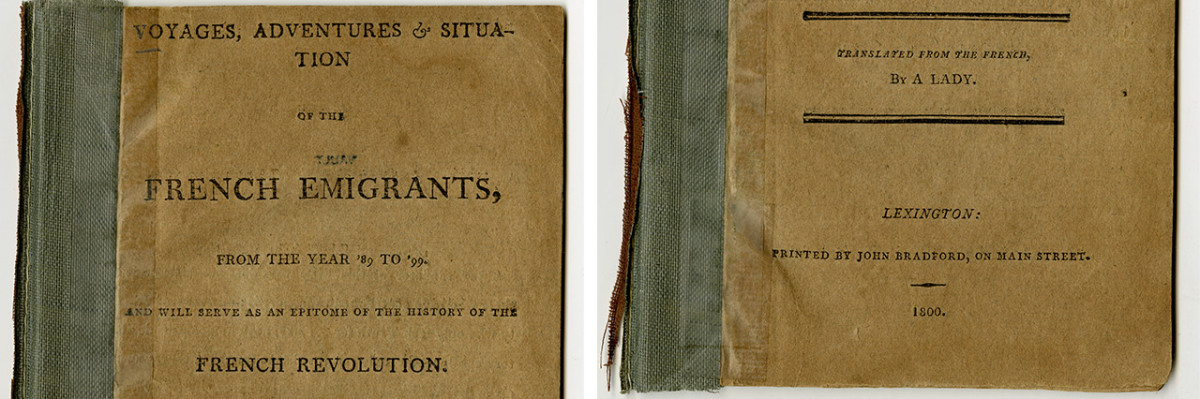
This work contains information about French Emigrants to America over the years 1789-1799, and provides a history of the French Revolution. The work was originally in French, and was translated into English by an anonymous translator using the pen name, "A Lady." Published in 1800 in Lexington, KY, this work uses the "Long S" depicted as an "f".
The first Kentucky almanacs were printed by John Bradford, on the same printing press that published the Kentucky Gazette. The Kentucky almanacs in the library's…
Fayette County's buildings contain a great deal of history about the region and its inhabitants. The earliest structure in Lexington was built in 1779, the Blockhouse. Lexington currently has over…
The collection consists of an image, homemade brochures, flyers, pamphlets, and programs covering LGBTQ+ events and places from 1983 to 1999 in both Lexington and Louisville. Subjects include…
The Bath County Memorial Library was founded in 1949 by the Owingsville Women’s Club, and opened in January, 1950. It expanded into a bookmobile in 1953, and in 1963 moved into the old Farmer’s…
The Black Community News Collection compiles searchable newspaper articles and ads for local Black community events, schools, social gatherings, church events, obituaries, and wedding…
The Brown-Hocker Collection is a community collection of photos and realia from African American events and people in Lexington and Kentucky history.
The objects in the collection are…
This collection contains materials from Lexington and Fayette County religious groups.
Compiled by Cyrus Parker Jones, a man formerly enslaved by the Parker family, these funeral notices cover 667 funerals of individuals in Lexington, including seven free blacks. The funeral notices…
The Daily Lexington Atlas ran from December 11, 1847 through November 20, 1848 and was Lexington’s first daily paper, and the first to publish information from the telegraph lines. It was…
The library has a variety of directories and yearbooks with local information. In the library's current digital collection, there is a selection of residential and street directories, yearbooks,…
Various objects found in our Duncan-Goff scrapbook collection.
Elmer L. Foote served as official photographer of the Cincinnati Public Library for many years, and produced photographs that appeared in the Cincinnati Commercial Tribune …
Letters from and/or about Father William T. Punch and the Punch family. Donated by a Lexington resident to Lexington Public Library. Father Punch was instrumental in building…
Until 1974, Lexington and Fayette County had two separate governing bodies. Lexington itself was founded in 1775 and chartered in 1782 by an act of the Virginia General Assembly,…
The St. Paul Catholic Church Collection includes materials from the Church's archive. The Roman Catholic church is over 150 years old, and is located on West Short Street, in downtown Lexington.…
Founded in 1982 by Gigi Galore (Greg Butler) and Blanche Pink (Marlon Austin), the Imperial Court of Kentucky, Inc., is a nonprofit charity that supports the LGBTQ+ community of…
The Judge Kenneth Lyons collection consists of an atlas, a journal, and letters. The atlas features copies of letters written on the blank pages of the atlas. The journal contains family and local…
The Junior League of Lexington (JLL) is a local nonprofit organization of women committed to improving community through volunteerism. The first Junior League was established in 1901…
The diary (ca. 1899) of Katherine Pettit, details her settlement work for the Kentucky Confederation of Women's Clubs, made yearly trips to Hazard during this period and was a central figure in…
The Dunn Photograph Collection contains images of Lexington, KY taken in the 1960s and 1980s. Keller J. Dunn (1917-2000) born in Lexington, KY, shot hundreds of pictures of…
The library's collection contains many event pamphlets for Lexington and Kentucky counties, including county anniversary celebrations, suffragette songs, chautauquas, and community events and…
The photographs in the library's collection are donated from a variety of individuals.
The Ashland-McDowell Collection shows an unknown gathering of friends and…
The Kentucky Progress Commission was formed in 1928 in order to draw tourism and business to Kentucky. It was formed by the Kentucky Legislature, and was a 12 person board. The “Kentucky…
The League of Women Voters of Lexington, Kentucky, was established in 1920. It is the local chapter of a national nonpartisan nonprofit organization that encourages informed and…
The Lexington History Museum began in 1998, and opened its doors in the Old Courthouse in 2003. Its purpose is to educate Fayette County about its rich history, and preserve pieces of that history…
The Lexington Public Library opened a Carnegie library in 1905. It incorporated the collections of the former subscription Lexington Library Company (est.1801) and the former…
The Lexington Weekly Press was published every Wednesday in Lexington, Kentucky, and contained local, state, and foreign news. The paper focused on Central Kentucky’s “agriculture,…
The military history collection contains relevant histories and records that focus on Kentuckians involved at home and abroad, and includes a collection of United States Army Training Center…
The Micellaneous Newspaper collection combines scattered issues of various historic newspapers in our archive collection.
Scans of the Black Marriage records from the Courthouse in Greenville, Kentucky.
The collection contains various postcards featuring places in and around Kentucky and includes a selection donated by the Knowles family. The postcards in the library's collection were donated by…
This is a handwritten series of lectures detailing Samuel D. McCullough's memories of his childhood and life in Lexington, Kentucky, accompanied by letters and a photograph of his house. The…
The Schools and Yearbooks collection contains historical and modern yearbooks and other school documents owned by and donated to the Lexington Public Library.
The Daily Argonaut began in 1895 and seems to have ceased publication in 1899. This collection includes scattered issues from 1896, 1897 and 1898. The paper focuses more on sensational news and…
The Independent Gazetteer was founded and printed by James Charless in 1803, with ads appearing in the Kentucky Gazette about its upcoming…
The Kentucky Gazette was the first paper established west of the Allegheny Mountains, founded by John and Fielding Bradford. The frontier paper focused on East Coast and International news,…
The Kentucky Reporter was published from October 1817-April 1832, by William W. Worsley and Thomas Smith. It is the direct continuation of the The Reporter. Politically, it was a…
The Reporter was published from March 1808-September 1817, by William W. Worsley. It was a Republican paper (Jeffersonian Democratic Republican - liberal at the time). The paper was published…
The True American was an anti-slavery newspaper started by Cassius Marcellus Clay in June 1845. He ran the paper in Lexington until August of 1845, when he published an…
This work contains information about French Emigrants to America over the years 1789-1799, and provides a history of the French Revolution. The work was originally in French, and was translated…
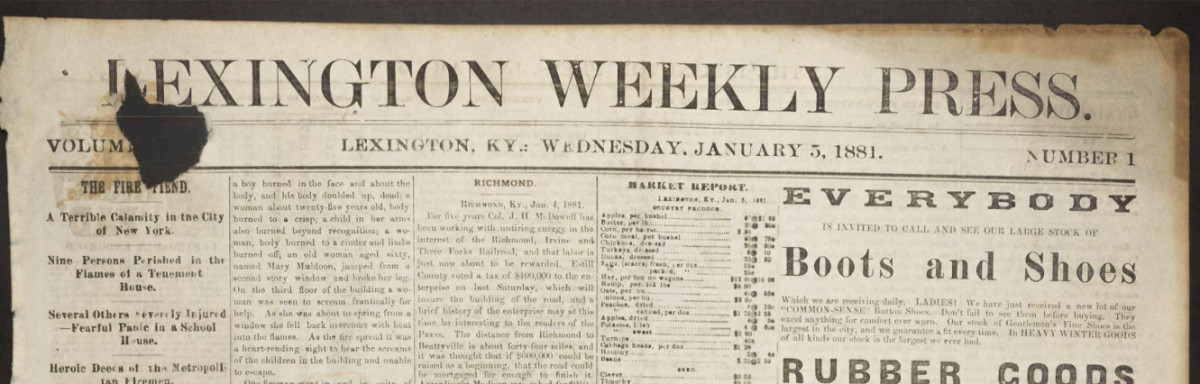
The Lexington Weekly Press was published every Wednesday in Lexington, Kentucky, and contained local, state, and foreign news. The paper focused on Central Kentucky’s “agriculture, manufactures and fine stock”, as well as literary and scientific news, market reports, and serial stories. Local weddings, deaths, community events, and elections for Lexington and the surrounding region. The paper was sent anywhere in the United States at a cost of one dollar per year.
The first Kentucky almanacs were printed by John Bradford, on the same printing press that published the Kentucky Gazette. The Kentucky almanacs in the library's…
Fayette County's buildings contain a great deal of history about the region and its inhabitants. The earliest structure in Lexington was built in 1779, the Blockhouse. Lexington currently has over…
The collection consists of an image, homemade brochures, flyers, pamphlets, and programs covering LGBTQ+ events and places from 1983 to 1999 in both Lexington and Louisville. Subjects include…
The Bath County Memorial Library was founded in 1949 by the Owingsville Women’s Club, and opened in January, 1950. It expanded into a bookmobile in 1953, and in 1963 moved into the old Farmer’s…
The Black Community News Collection compiles searchable newspaper articles and ads for local Black community events, schools, social gatherings, church events, obituaries, and wedding…
The Brown-Hocker Collection is a community collection of photos and realia from African American events and people in Lexington and Kentucky history.
The objects in the collection are…
This collection contains materials from Lexington and Fayette County religious groups.
Compiled by Cyrus Parker Jones, a man formerly enslaved by the Parker family, these funeral notices cover 667 funerals of individuals in Lexington, including seven free blacks. The funeral notices…
The Daily Lexington Atlas ran from December 11, 1847 through November 20, 1848 and was Lexington’s first daily paper, and the first to publish information from the telegraph lines. It was…
The library has a variety of directories and yearbooks with local information. In the library's current digital collection, there is a selection of residential and street directories, yearbooks,…
Various objects found in our Duncan-Goff scrapbook collection.
Elmer L. Foote served as official photographer of the Cincinnati Public Library for many years, and produced photographs that appeared in the Cincinnati Commercial Tribune …
Letters from and/or about Father William T. Punch and the Punch family. Donated by a Lexington resident to Lexington Public Library. Father Punch was instrumental in building…
Until 1974, Lexington and Fayette County had two separate governing bodies. Lexington itself was founded in 1775 and chartered in 1782 by an act of the Virginia General Assembly,…
The St. Paul Catholic Church Collection includes materials from the Church's archive. The Roman Catholic church is over 150 years old, and is located on West Short Street, in downtown Lexington.…
Founded in 1982 by Gigi Galore (Greg Butler) and Blanche Pink (Marlon Austin), the Imperial Court of Kentucky, Inc., is a nonprofit charity that supports the LGBTQ+ community of…
The Judge Kenneth Lyons collection consists of an atlas, a journal, and letters. The atlas features copies of letters written on the blank pages of the atlas. The journal contains family and local…
The Junior League of Lexington (JLL) is a local nonprofit organization of women committed to improving community through volunteerism. The first Junior League was established in 1901…
The diary (ca. 1899) of Katherine Pettit, details her settlement work for the Kentucky Confederation of Women's Clubs, made yearly trips to Hazard during this period and was a central figure in…
The Dunn Photograph Collection contains images of Lexington, KY taken in the 1960s and 1980s. Keller J. Dunn (1917-2000) born in Lexington, KY, shot hundreds of pictures of…
The library's collection contains many event pamphlets for Lexington and Kentucky counties, including county anniversary celebrations, suffragette songs, chautauquas, and community events and…
The photographs in the library's collection are donated from a variety of individuals.
The Ashland-McDowell Collection shows an unknown gathering of friends and…
The Kentucky Progress Commission was formed in 1928 in order to draw tourism and business to Kentucky. It was formed by the Kentucky Legislature, and was a 12 person board. The “Kentucky…
The League of Women Voters of Lexington, Kentucky, was established in 1920. It is the local chapter of a national nonpartisan nonprofit organization that encourages informed and…
The Lexington History Museum began in 1998, and opened its doors in the Old Courthouse in 2003. Its purpose is to educate Fayette County about its rich history, and preserve pieces of that history…
The Lexington Public Library opened a Carnegie library in 1905. It incorporated the collections of the former subscription Lexington Library Company (est.1801) and the former…
The Lexington Weekly Press was published every Wednesday in Lexington, Kentucky, and contained local, state, and foreign news. The paper focused on Central Kentucky’s “agriculture,…
The military history collection contains relevant histories and records that focus on Kentuckians involved at home and abroad, and includes a collection of United States Army Training Center…
The Micellaneous Newspaper collection combines scattered issues of various historic newspapers in our archive collection.
Scans of the Black Marriage records from the Courthouse in Greenville, Kentucky.
The collection contains various postcards featuring places in and around Kentucky and includes a selection donated by the Knowles family. The postcards in the library's collection were donated by…
This is a handwritten series of lectures detailing Samuel D. McCullough's memories of his childhood and life in Lexington, Kentucky, accompanied by letters and a photograph of his house. The…
The Schools and Yearbooks collection contains historical and modern yearbooks and other school documents owned by and donated to the Lexington Public Library.
The Daily Argonaut began in 1895 and seems to have ceased publication in 1899. This collection includes scattered issues from 1896, 1897 and 1898. The paper focuses more on sensational news and…
The Independent Gazetteer was founded and printed by James Charless in 1803, with ads appearing in the Kentucky Gazette about its upcoming…
The Kentucky Gazette was the first paper established west of the Allegheny Mountains, founded by John and Fielding Bradford. The frontier paper focused on East Coast and International news,…
The Kentucky Reporter was published from October 1817-April 1832, by William W. Worsley and Thomas Smith. It is the direct continuation of the The Reporter. Politically, it was a…
The Reporter was published from March 1808-September 1817, by William W. Worsley. It was a Republican paper (Jeffersonian Democratic Republican - liberal at the time). The paper was published…
The True American was an anti-slavery newspaper started by Cassius Marcellus Clay in June 1845. He ran the paper in Lexington until August of 1845, when he published an…
This work contains information about French Emigrants to America over the years 1789-1799, and provides a history of the French Revolution. The work was originally in French, and was translated…
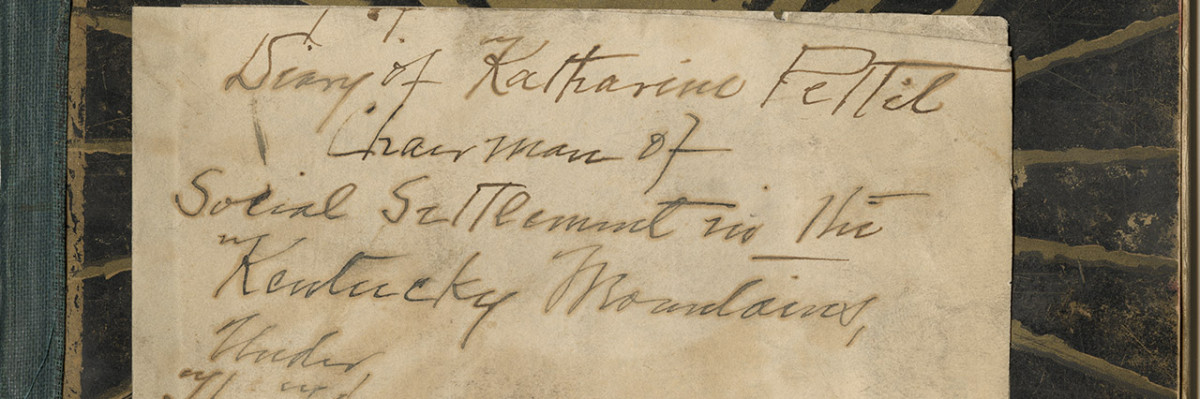
The diary (ca. 1899) of Katherine Pettit, details her settlement work for the Kentucky Confederation of Women's Clubs, made yearly trips to Hazard during this period and was a central figure in establishing the Hindman (Kentucky) Settlement School in 1902. Activities described here include teaching, reading, cooking, and hygiene. The diary also includes daily entries (August 3-September 13) detailing Pettit's travel from Lexington and Hazard with fellow settlement workers, her encounters with Hazard and mountain families, and the general scope of her work. Also includes a manuscript map of her camp.
The first Kentucky almanacs were printed by John Bradford, on the same printing press that published the Kentucky Gazette. The Kentucky almanacs in the library's…
Fayette County's buildings contain a great deal of history about the region and its inhabitants. The earliest structure in Lexington was built in 1779, the Blockhouse. Lexington currently has over…
The collection consists of an image, homemade brochures, flyers, pamphlets, and programs covering LGBTQ+ events and places from 1983 to 1999 in both Lexington and Louisville. Subjects include…
The Bath County Memorial Library was founded in 1949 by the Owingsville Women’s Club, and opened in January, 1950. It expanded into a bookmobile in 1953, and in 1963 moved into the old Farmer’s…
The Black Community News Collection compiles searchable newspaper articles and ads for local Black community events, schools, social gatherings, church events, obituaries, and wedding…
The Brown-Hocker Collection is a community collection of photos and realia from African American events and people in Lexington and Kentucky history.
The objects in the collection are…
This collection contains materials from Lexington and Fayette County religious groups.
Compiled by Cyrus Parker Jones, a man formerly enslaved by the Parker family, these funeral notices cover 667 funerals of individuals in Lexington, including seven free blacks. The funeral notices…
The Daily Lexington Atlas ran from December 11, 1847 through November 20, 1848 and was Lexington’s first daily paper, and the first to publish information from the telegraph lines. It was…
The library has a variety of directories and yearbooks with local information. In the library's current digital collection, there is a selection of residential and street directories, yearbooks,…
Various objects found in our Duncan-Goff scrapbook collection.
Elmer L. Foote served as official photographer of the Cincinnati Public Library for many years, and produced photographs that appeared in the Cincinnati Commercial Tribune …
Letters from and/or about Father William T. Punch and the Punch family. Donated by a Lexington resident to Lexington Public Library. Father Punch was instrumental in building…
Until 1974, Lexington and Fayette County had two separate governing bodies. Lexington itself was founded in 1775 and chartered in 1782 by an act of the Virginia General Assembly,…
The St. Paul Catholic Church Collection includes materials from the Church's archive. The Roman Catholic church is over 150 years old, and is located on West Short Street, in downtown Lexington.…
Founded in 1982 by Gigi Galore (Greg Butler) and Blanche Pink (Marlon Austin), the Imperial Court of Kentucky, Inc., is a nonprofit charity that supports the LGBTQ+ community of…
The Judge Kenneth Lyons collection consists of an atlas, a journal, and letters. The atlas features copies of letters written on the blank pages of the atlas. The journal contains family and local…
The Junior League of Lexington (JLL) is a local nonprofit organization of women committed to improving community through volunteerism. The first Junior League was established in 1901…
The diary (ca. 1899) of Katherine Pettit, details her settlement work for the Kentucky Confederation of Women's Clubs, made yearly trips to Hazard during this period and was a central figure in…
The Dunn Photograph Collection contains images of Lexington, KY taken in the 1960s and 1980s. Keller J. Dunn (1917-2000) born in Lexington, KY, shot hundreds of pictures of…
The library's collection contains many event pamphlets for Lexington and Kentucky counties, including county anniversary celebrations, suffragette songs, chautauquas, and community events and…
The photographs in the library's collection are donated from a variety of individuals.
The Ashland-McDowell Collection shows an unknown gathering of friends and…
The Kentucky Progress Commission was formed in 1928 in order to draw tourism and business to Kentucky. It was formed by the Kentucky Legislature, and was a 12 person board. The “Kentucky…
The League of Women Voters of Lexington, Kentucky, was established in 1920. It is the local chapter of a national nonpartisan nonprofit organization that encourages informed and…
The Lexington History Museum began in 1998, and opened its doors in the Old Courthouse in 2003. Its purpose is to educate Fayette County about its rich history, and preserve pieces of that history…
The Lexington Public Library opened a Carnegie library in 1905. It incorporated the collections of the former subscription Lexington Library Company (est.1801) and the former…
The Lexington Weekly Press was published every Wednesday in Lexington, Kentucky, and contained local, state, and foreign news. The paper focused on Central Kentucky’s “agriculture,…
The military history collection contains relevant histories and records that focus on Kentuckians involved at home and abroad, and includes a collection of United States Army Training Center…
The Micellaneous Newspaper collection combines scattered issues of various historic newspapers in our archive collection.
Scans of the Black Marriage records from the Courthouse in Greenville, Kentucky.
The collection contains various postcards featuring places in and around Kentucky and includes a selection donated by the Knowles family. The postcards in the library's collection were donated by…
This is a handwritten series of lectures detailing Samuel D. McCullough's memories of his childhood and life in Lexington, Kentucky, accompanied by letters and a photograph of his house. The…
The Schools and Yearbooks collection contains historical and modern yearbooks and other school documents owned by and donated to the Lexington Public Library.
The Daily Argonaut began in 1895 and seems to have ceased publication in 1899. This collection includes scattered issues from 1896, 1897 and 1898. The paper focuses more on sensational news and…
The Independent Gazetteer was founded and printed by James Charless in 1803, with ads appearing in the Kentucky Gazette about its upcoming…
The Kentucky Gazette was the first paper established west of the Allegheny Mountains, founded by John and Fielding Bradford. The frontier paper focused on East Coast and International news,…
The Kentucky Reporter was published from October 1817-April 1832, by William W. Worsley and Thomas Smith. It is the direct continuation of the The Reporter. Politically, it was a…
The Reporter was published from March 1808-September 1817, by William W. Worsley. It was a Republican paper (Jeffersonian Democratic Republican - liberal at the time). The paper was published…
The True American was an anti-slavery newspaper started by Cassius Marcellus Clay in June 1845. He ran the paper in Lexington until August of 1845, when he published an…
This work contains information about French Emigrants to America over the years 1789-1799, and provides a history of the French Revolution. The work was originally in French, and was translated…
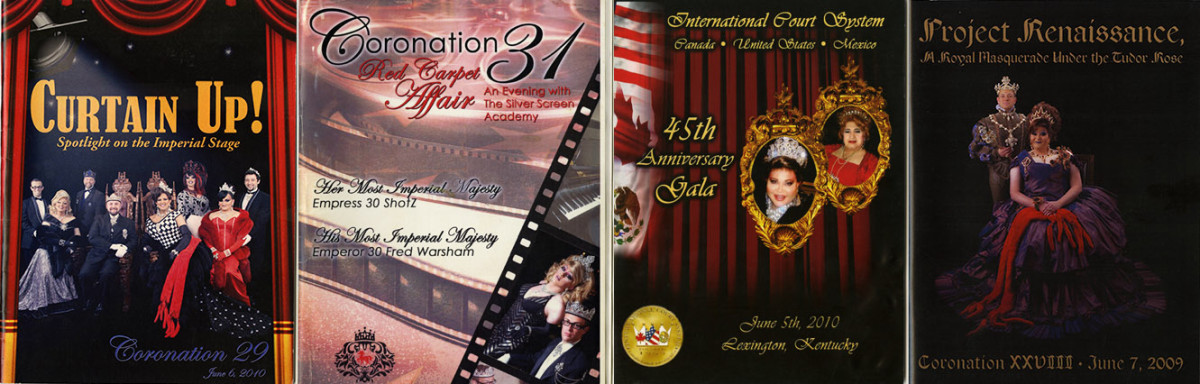
Founded in 1982 by Gigi Galore (Greg Butler) and Blanche Pink (Marlon Austin), the Imperial Court of Kentucky, Inc., is a nonprofit charity that supports the LGBTQ+ community of Kentucky “one dollar at a time” through drag shows, social programs, and fundraisers. The Court uses the modus of English peerage to establish male and female lines of descent, with the female line comprising of drag queens (i.e. performers in drag), with each year an empress and emperor being elected. These “royals” represent the court throughout the upcoming year. The Court is a charter member of the International Court System with kingdoms in the US, Canada, and Mexico. Member courts are autonomous organizations bound together in a shared structure, policies, and goals, fundraising for HIV/AIDS services, human rights advocacy, and other LBGTQ+ stakeholders.
The first Kentucky almanacs were printed by John Bradford, on the same printing press that published the Kentucky Gazette. The Kentucky almanacs in the library's…
Fayette County's buildings contain a great deal of history about the region and its inhabitants. The earliest structure in Lexington was built in 1779, the Blockhouse. Lexington currently has over…
The collection consists of an image, homemade brochures, flyers, pamphlets, and programs covering LGBTQ+ events and places from 1983 to 1999 in both Lexington and Louisville. Subjects include…
The Bath County Memorial Library was founded in 1949 by the Owingsville Women’s Club, and opened in January, 1950. It expanded into a bookmobile in 1953, and in 1963 moved into the old Farmer’s…
The Black Community News Collection compiles searchable newspaper articles and ads for local Black community events, schools, social gatherings, church events, obituaries, and wedding…
The Brown-Hocker Collection is a community collection of photos and realia from African American events and people in Lexington and Kentucky history.
The objects in the collection are…
This collection contains materials from Lexington and Fayette County religious groups.
Compiled by Cyrus Parker Jones, a man formerly enslaved by the Parker family, these funeral notices cover 667 funerals of individuals in Lexington, including seven free blacks. The funeral notices…
The Daily Lexington Atlas ran from December 11, 1847 through November 20, 1848 and was Lexington’s first daily paper, and the first to publish information from the telegraph lines. It was…
The library has a variety of directories and yearbooks with local information. In the library's current digital collection, there is a selection of residential and street directories, yearbooks,…
Various objects found in our Duncan-Goff scrapbook collection.
Elmer L. Foote served as official photographer of the Cincinnati Public Library for many years, and produced photographs that appeared in the Cincinnati Commercial Tribune …
Letters from and/or about Father William T. Punch and the Punch family. Donated by a Lexington resident to Lexington Public Library. Father Punch was instrumental in building…
Until 1974, Lexington and Fayette County had two separate governing bodies. Lexington itself was founded in 1775 and chartered in 1782 by an act of the Virginia General Assembly,…
The St. Paul Catholic Church Collection includes materials from the Church's archive. The Roman Catholic church is over 150 years old, and is located on West Short Street, in downtown Lexington.…
Founded in 1982 by Gigi Galore (Greg Butler) and Blanche Pink (Marlon Austin), the Imperial Court of Kentucky, Inc., is a nonprofit charity that supports the LGBTQ+ community of…
The Judge Kenneth Lyons collection consists of an atlas, a journal, and letters. The atlas features copies of letters written on the blank pages of the atlas. The journal contains family and local…
The Junior League of Lexington (JLL) is a local nonprofit organization of women committed to improving community through volunteerism. The first Junior League was established in 1901…
The diary (ca. 1899) of Katherine Pettit, details her settlement work for the Kentucky Confederation of Women's Clubs, made yearly trips to Hazard during this period and was a central figure in…
The Dunn Photograph Collection contains images of Lexington, KY taken in the 1960s and 1980s. Keller J. Dunn (1917-2000) born in Lexington, KY, shot hundreds of pictures of…
The library's collection contains many event pamphlets for Lexington and Kentucky counties, including county anniversary celebrations, suffragette songs, chautauquas, and community events and…
The photographs in the library's collection are donated from a variety of individuals.
The Ashland-McDowell Collection shows an unknown gathering of friends and…
The Kentucky Progress Commission was formed in 1928 in order to draw tourism and business to Kentucky. It was formed by the Kentucky Legislature, and was a 12 person board. The “Kentucky…
The League of Women Voters of Lexington, Kentucky, was established in 1920. It is the local chapter of a national nonpartisan nonprofit organization that encourages informed and…
The Lexington History Museum began in 1998, and opened its doors in the Old Courthouse in 2003. Its purpose is to educate Fayette County about its rich history, and preserve pieces of that history…
The Lexington Public Library opened a Carnegie library in 1905. It incorporated the collections of the former subscription Lexington Library Company (est.1801) and the former…
The Lexington Weekly Press was published every Wednesday in Lexington, Kentucky, and contained local, state, and foreign news. The paper focused on Central Kentucky’s “agriculture,…
The military history collection contains relevant histories and records that focus on Kentuckians involved at home and abroad, and includes a collection of United States Army Training Center…
The Micellaneous Newspaper collection combines scattered issues of various historic newspapers in our archive collection.
Scans of the Black Marriage records from the Courthouse in Greenville, Kentucky.
The collection contains various postcards featuring places in and around Kentucky and includes a selection donated by the Knowles family. The postcards in the library's collection were donated by…
This is a handwritten series of lectures detailing Samuel D. McCullough's memories of his childhood and life in Lexington, Kentucky, accompanied by letters and a photograph of his house. The…
The Schools and Yearbooks collection contains historical and modern yearbooks and other school documents owned by and donated to the Lexington Public Library.
The Daily Argonaut began in 1895 and seems to have ceased publication in 1899. This collection includes scattered issues from 1896, 1897 and 1898. The paper focuses more on sensational news and…
The Independent Gazetteer was founded and printed by James Charless in 1803, with ads appearing in the Kentucky Gazette about its upcoming…
The Kentucky Gazette was the first paper established west of the Allegheny Mountains, founded by John and Fielding Bradford. The frontier paper focused on East Coast and International news,…
The Kentucky Reporter was published from October 1817-April 1832, by William W. Worsley and Thomas Smith. It is the direct continuation of the The Reporter. Politically, it was a…
The Reporter was published from March 1808-September 1817, by William W. Worsley. It was a Republican paper (Jeffersonian Democratic Republican - liberal at the time). The paper was published…
The True American was an anti-slavery newspaper started by Cassius Marcellus Clay in June 1845. He ran the paper in Lexington until August of 1845, when he published an…
This work contains information about French Emigrants to America over the years 1789-1799, and provides a history of the French Revolution. The work was originally in French, and was translated…
Help us make digital archives searchable, from anywhere.
The Lexington Public Library’s Digital Archives provide open access to researchers and students to learn more about the rich history of Lexington and Fayette County. It contains a fraction of the Library’s physical holdings, which are housed and available for reference in the Kentucky Room at the Central Library. New material is being digitized and added constantly, so there's always something new to find.
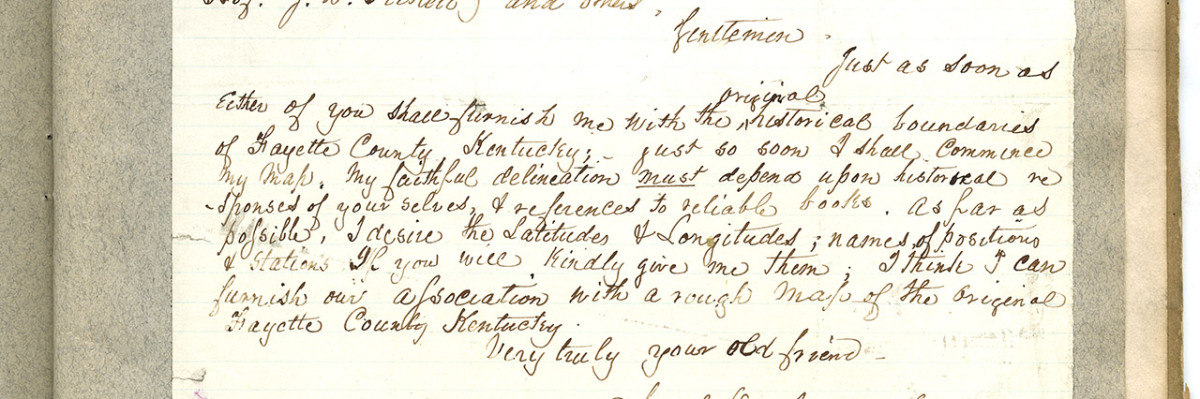
This is a handwritten series of lectures detailing Samuel D. McCullough's memories of his childhood and life in Lexington, Kentucky, accompanied by letters and a photograph of his house. The lectures were apparently delivered before the Historical Society of Fayette County of which McCullough was a member. The lectures begin with a discussion of McCullough's early childhood, followed by reminiscences on local inventors, railroads, turnpikes, jails, punishment of crimes, mills, and the theater. Among Lexington inventors, McCullough details the careers of acquaintances Thomas H. Barlow (1789-1865), John Jones (d. 1849), Edward West (d. 1827), and Nathan Burrowes (d. 1846) Correspondence (2 items; 1869, 1870) consists of a note accompanying the donation of a pamphlet to the library and a letter to fellow members of the historical society concerning an historical map of Fayette County which McCullough proposed to create. Samuel D. McCullough was born in Lexington, Kentucky in 1803 and attended Transylvania College, graduating in 1824. For fourteen years he conducted a female academy, after which he engaged in the manufacture and sale of mustard, having inherited a recipe from a relative, Nathan Burrowes.
The first Kentucky almanacs were printed by John Bradford, on the same printing press that published the Kentucky Gazette. The Kentucky almanacs in the library's…
Fayette County's buildings contain a great deal of history about the region and its inhabitants. The earliest structure in Lexington was built in 1779, the Blockhouse. Lexington currently has over…
The collection consists of an image, homemade brochures, flyers, pamphlets, and programs covering LGBTQ+ events and places from 1983 to 1999 in both Lexington and Louisville. Subjects include…
The Bath County Memorial Library was founded in 1949 by the Owingsville Women’s Club, and opened in January, 1950. It expanded into a bookmobile in 1953, and in 1963 moved into the old Farmer’s…
The Black Community News Collection compiles searchable newspaper articles and ads for local Black community events, schools, social gatherings, church events, obituaries, and wedding…
The Brown-Hocker Collection is a community collection of photos and realia from African American events and people in Lexington and Kentucky history.
The objects in the collection are…
This collection contains materials from Lexington and Fayette County religious groups.
Compiled by Cyrus Parker Jones, a man formerly enslaved by the Parker family, these funeral notices cover 667 funerals of individuals in Lexington, including seven free blacks. The funeral notices…
The Daily Lexington Atlas ran from December 11, 1847 through November 20, 1848 and was Lexington’s first daily paper, and the first to publish information from the telegraph lines. It was…
The library has a variety of directories and yearbooks with local information. In the library's current digital collection, there is a selection of residential and street directories, yearbooks,…
Various objects found in our Duncan-Goff scrapbook collection.
Elmer L. Foote served as official photographer of the Cincinnati Public Library for many years, and produced photographs that appeared in the Cincinnati Commercial Tribune …
Letters from and/or about Father William T. Punch and the Punch family. Donated by a Lexington resident to Lexington Public Library. Father Punch was instrumental in building…
Until 1974, Lexington and Fayette County had two separate governing bodies. Lexington itself was founded in 1775 and chartered in 1782 by an act of the Virginia General Assembly,…
The St. Paul Catholic Church Collection includes materials from the Church's archive. The Roman Catholic church is over 150 years old, and is located on West Short Street, in downtown Lexington.…
Founded in 1982 by Gigi Galore (Greg Butler) and Blanche Pink (Marlon Austin), the Imperial Court of Kentucky, Inc., is a nonprofit charity that supports the LGBTQ+ community of…
The Judge Kenneth Lyons collection consists of an atlas, a journal, and letters. The atlas features copies of letters written on the blank pages of the atlas. The journal contains family and local…
The Junior League of Lexington (JLL) is a local nonprofit organization of women committed to improving community through volunteerism. The first Junior League was established in 1901…
The diary (ca. 1899) of Katherine Pettit, details her settlement work for the Kentucky Confederation of Women's Clubs, made yearly trips to Hazard during this period and was a central figure in…
The Dunn Photograph Collection contains images of Lexington, KY taken in the 1960s and 1980s. Keller J. Dunn (1917-2000) born in Lexington, KY, shot hundreds of pictures of…
The library's collection contains many event pamphlets for Lexington and Kentucky counties, including county anniversary celebrations, suffragette songs, chautauquas, and community events and…
The photographs in the library's collection are donated from a variety of individuals.
The Ashland-McDowell Collection shows an unknown gathering of friends and…
The Kentucky Progress Commission was formed in 1928 in order to draw tourism and business to Kentucky. It was formed by the Kentucky Legislature, and was a 12 person board. The “Kentucky…
The League of Women Voters of Lexington, Kentucky, was established in 1920. It is the local chapter of a national nonpartisan nonprofit organization that encourages informed and…
The Lexington History Museum began in 1998, and opened its doors in the Old Courthouse in 2003. Its purpose is to educate Fayette County about its rich history, and preserve pieces of that history…
The Lexington Public Library opened a Carnegie library in 1905. It incorporated the collections of the former subscription Lexington Library Company (est.1801) and the former…
The Lexington Weekly Press was published every Wednesday in Lexington, Kentucky, and contained local, state, and foreign news. The paper focused on Central Kentucky’s “agriculture,…
The military history collection contains relevant histories and records that focus on Kentuckians involved at home and abroad, and includes a collection of United States Army Training Center…
The Micellaneous Newspaper collection combines scattered issues of various historic newspapers in our archive collection.
Scans of the Black Marriage records from the Courthouse in Greenville, Kentucky.
The collection contains various postcards featuring places in and around Kentucky and includes a selection donated by the Knowles family. The postcards in the library's collection were donated by…
This is a handwritten series of lectures detailing Samuel D. McCullough's memories of his childhood and life in Lexington, Kentucky, accompanied by letters and a photograph of his house. The…
The Schools and Yearbooks collection contains historical and modern yearbooks and other school documents owned by and donated to the Lexington Public Library.
The Daily Argonaut began in 1895 and seems to have ceased publication in 1899. This collection includes scattered issues from 1896, 1897 and 1898. The paper focuses more on sensational news and…
The Independent Gazetteer was founded and printed by James Charless in 1803, with ads appearing in the Kentucky Gazette about its upcoming…
The Kentucky Gazette was the first paper established west of the Allegheny Mountains, founded by John and Fielding Bradford. The frontier paper focused on East Coast and International news,…
The Kentucky Reporter was published from October 1817-April 1832, by William W. Worsley and Thomas Smith. It is the direct continuation of the The Reporter. Politically, it was a…
The Reporter was published from March 1808-September 1817, by William W. Worsley. It was a Republican paper (Jeffersonian Democratic Republican - liberal at the time). The paper was published…
The True American was an anti-slavery newspaper started by Cassius Marcellus Clay in June 1845. He ran the paper in Lexington until August of 1845, when he published an…
This work contains information about French Emigrants to America over the years 1789-1799, and provides a history of the French Revolution. The work was originally in French, and was translated…
The Digital Studio provides people of all skill levels the equipment, software, and AI creative tools for filmmaking, photography and digital art, music making, and media preservation.

The Kentucky Gazette was the first paper established west of the Allegheny Mountains, founded by John and Fielding Bradford. The frontier paper focused on East Coast and International news, though some local announcements can be found. Later, the paper focused on disseminating opinions on politics and issues of concern on the frontier. When political parties emerged, the paper developed a Democratic (conservative at the time) bent. John Bradford handed the reins of the paper over to his son, Daniel Bradford, in 1802.
While still owned and occasionally edited by the Bradford family, the paper had several editors and publishers through the mid-1830s, when Daniel Bradford returned to the paper’s byline as editor. Daniel Bradford edited the paper until 1840, when he sold it to Jim Cunningham. The paper shuttered in 1848, due to Cunningham’s failing health, but was revived in 1866 and published until 1910 by different publishers.
The years 1841-1910 are not digitized as of January 2020, but are viewable on microfilm and in print in the Kentucky Room at Central Library. Selected articles are indexed in the Library’s Local History Index.
The Kentucky Room’s collection of The Kentucky Gazette is not complete. Here is a list of what is missing from the digitized collection:
1788: April 5, May 31, September 20
1789: All of May
1790: August 9 – November 27, December 27
1791: April 2, July 30, All of August, September 3, 10, 24, October 1
1792: April 2, September 15 - November 17
1793: May 4, June 15, July 20
1794: May 24, June 21, August 9 – September 13
1795: March 21, August 29, September 5, 12, 26, October 17
1807: Entire Year
1808: Entire Year
1821: January 26, February 1, 9, 16, March 29, April 5, May 3, 17, 24, 31, All of June, July 5, 19, August 9, 23, 30, September 20, October 18-December 27
1822: Entire Year
1823: Entire Year
1824: Entire Year
1827: Entire Year
1828: Entire Year
1829: Entire Year
1830: Entire Year
1831: Entire Year
1832: Entire Year
1833: Entire Year
1834: Entire Year
The first Kentucky almanacs were printed by John Bradford, on the same printing press that published the Kentucky Gazette. The Kentucky almanacs in the library's…
Fayette County's buildings contain a great deal of history about the region and its inhabitants. The earliest structure in Lexington was built in 1779, the Blockhouse. Lexington currently has over…
The collection consists of an image, homemade brochures, flyers, pamphlets, and programs covering LGBTQ+ events and places from 1983 to 1999 in both Lexington and Louisville. Subjects include…
The Bath County Memorial Library was founded in 1949 by the Owingsville Women’s Club, and opened in January, 1950. It expanded into a bookmobile in 1953, and in 1963 moved into the old Farmer’s…
The Black Community News Collection compiles searchable newspaper articles and ads for local Black community events, schools, social gatherings, church events, obituaries, and wedding…
The Brown-Hocker Collection is a community collection of photos and realia from African American events and people in Lexington and Kentucky history.
The objects in the collection are…
This collection contains materials from Lexington and Fayette County religious groups.
Compiled by Cyrus Parker Jones, a man formerly enslaved by the Parker family, these funeral notices cover 667 funerals of individuals in Lexington, including seven free blacks. The funeral notices…
The Daily Lexington Atlas ran from December 11, 1847 through November 20, 1848 and was Lexington’s first daily paper, and the first to publish information from the telegraph lines. It was…
The library has a variety of directories and yearbooks with local information. In the library's current digital collection, there is a selection of residential and street directories, yearbooks,…
Various objects found in our Duncan-Goff scrapbook collection.
Elmer L. Foote served as official photographer of the Cincinnati Public Library for many years, and produced photographs that appeared in the Cincinnati Commercial Tribune …
Letters from and/or about Father William T. Punch and the Punch family. Donated by a Lexington resident to Lexington Public Library. Father Punch was instrumental in building…
Until 1974, Lexington and Fayette County had two separate governing bodies. Lexington itself was founded in 1775 and chartered in 1782 by an act of the Virginia General Assembly,…
The St. Paul Catholic Church Collection includes materials from the Church's archive. The Roman Catholic church is over 150 years old, and is located on West Short Street, in downtown Lexington.…
Founded in 1982 by Gigi Galore (Greg Butler) and Blanche Pink (Marlon Austin), the Imperial Court of Kentucky, Inc., is a nonprofit charity that supports the LGBTQ+ community of…
The Judge Kenneth Lyons collection consists of an atlas, a journal, and letters. The atlas features copies of letters written on the blank pages of the atlas. The journal contains family and local…
The Junior League of Lexington (JLL) is a local nonprofit organization of women committed to improving community through volunteerism. The first Junior League was established in 1901…
The diary (ca. 1899) of Katherine Pettit, details her settlement work for the Kentucky Confederation of Women's Clubs, made yearly trips to Hazard during this period and was a central figure in…
The Dunn Photograph Collection contains images of Lexington, KY taken in the 1960s and 1980s. Keller J. Dunn (1917-2000) born in Lexington, KY, shot hundreds of pictures of…
The library's collection contains many event pamphlets for Lexington and Kentucky counties, including county anniversary celebrations, suffragette songs, chautauquas, and community events and…
The photographs in the library's collection are donated from a variety of individuals.
The Ashland-McDowell Collection shows an unknown gathering of friends and…
The Kentucky Progress Commission was formed in 1928 in order to draw tourism and business to Kentucky. It was formed by the Kentucky Legislature, and was a 12 person board. The “Kentucky…
The League of Women Voters of Lexington, Kentucky, was established in 1920. It is the local chapter of a national nonpartisan nonprofit organization that encourages informed and…
The Lexington History Museum began in 1998, and opened its doors in the Old Courthouse in 2003. Its purpose is to educate Fayette County about its rich history, and preserve pieces of that history…
The Lexington Public Library opened a Carnegie library in 1905. It incorporated the collections of the former subscription Lexington Library Company (est.1801) and the former…
The Lexington Weekly Press was published every Wednesday in Lexington, Kentucky, and contained local, state, and foreign news. The paper focused on Central Kentucky’s “agriculture,…
The military history collection contains relevant histories and records that focus on Kentuckians involved at home and abroad, and includes a collection of United States Army Training Center…
The Micellaneous Newspaper collection combines scattered issues of various historic newspapers in our archive collection.
Scans of the Black Marriage records from the Courthouse in Greenville, Kentucky.
The collection contains various postcards featuring places in and around Kentucky and includes a selection donated by the Knowles family. The postcards in the library's collection were donated by…
This is a handwritten series of lectures detailing Samuel D. McCullough's memories of his childhood and life in Lexington, Kentucky, accompanied by letters and a photograph of his house. The…
The Schools and Yearbooks collection contains historical and modern yearbooks and other school documents owned by and donated to the Lexington Public Library.
The Daily Argonaut began in 1895 and seems to have ceased publication in 1899. This collection includes scattered issues from 1896, 1897 and 1898. The paper focuses more on sensational news and…
The Independent Gazetteer was founded and printed by James Charless in 1803, with ads appearing in the Kentucky Gazette about its upcoming…
The Kentucky Gazette was the first paper established west of the Allegheny Mountains, founded by John and Fielding Bradford. The frontier paper focused on East Coast and International news,…
The Kentucky Reporter was published from October 1817-April 1832, by William W. Worsley and Thomas Smith. It is the direct continuation of the The Reporter. Politically, it was a…
The Reporter was published from March 1808-September 1817, by William W. Worsley. It was a Republican paper (Jeffersonian Democratic Republican - liberal at the time). The paper was published…
The True American was an anti-slavery newspaper started by Cassius Marcellus Clay in June 1845. He ran the paper in Lexington until August of 1845, when he published an…
This work contains information about French Emigrants to America over the years 1789-1799, and provides a history of the French Revolution. The work was originally in French, and was translated…
Search our Digital Archives by format.
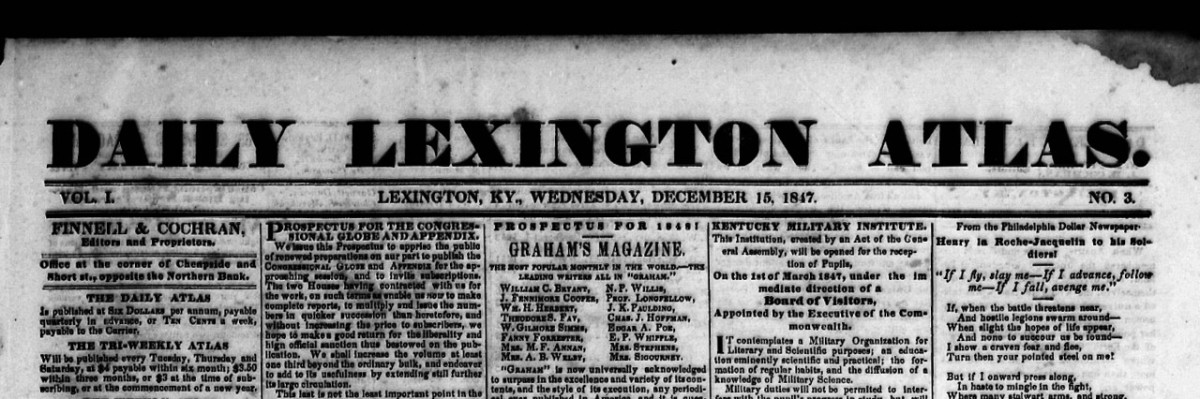
The Daily Lexington Atlas ran from December 11, 1847 through November 20, 1848 and was Lexington’s first daily paper, and the first to publish information from the telegraph lines. It was supportive of the Whig Party, which counted Henry Clay among its members. The Daily Lexington Atlas is described by William Perrin in his 1882 History of Fayette County Kentucky as a “red-hot Whig and fiery southern” publication.
Though short-lived, the paper covered many significant events including: the final year of the Mexican-American War, The Irish Rising of 1848, the debate surrounding emancipation of enslaved Kentuckians, the 1848 presidential election and the local election for Kentucky Governor. It also includes a few marriage and death notices from Lexington and surrounding counties. There are occasional notices of outbreaks of disease in other parts of the country, most commonly dysentery, which they called a “mysterious new disease.” They note an outbreak of cholera in Europe in October 1848; Lexington would see a second outbreak of cholera in 1849.
Perrin claims the paper had an extensive subscriber list, but had to “give up the ghost after several months disastrous experience” due to the expense of the paper. After his wife’s death on September 27, J.B. Cochran put his shares of the paper up for sale, and beginning in October, notices appear asking subscribers to pay on time.
This collection was digitized from microfilm by the University of Kentucky for Lexington Public Library. Toward the end of the run of the paper, there is significant bleed through on the pages, and in some cases the OCR (optical character recognition) quality is poor.
While the paper was considered a daily paper, it did not publish on Sundays. The library’s collection covers December 11, 1847 (first issue) through November 20, 1848, the final issue with J. B. Cochran as editor and proprietor. The paper continued through sometime in 1849 with N. L. Finnell as sole editor.
The following issues are missing from the library’s collection:
1848:
February 11
April 25
May 2
June 9
July 28-August 2, 5
September 2-6, 13, 22-24, 29 (no issue printed due to J.B. Cochran’s wife’s funeral)
October 7, 17, 20, 27, 28
November 2, 3, 8, 13, 18
The first Kentucky almanacs were printed by John Bradford, on the same printing press that published the Kentucky Gazette. The Kentucky almanacs in the library's…
Fayette County's buildings contain a great deal of history about the region and its inhabitants. The earliest structure in Lexington was built in 1779, the Blockhouse. Lexington currently has over…
The collection consists of an image, homemade brochures, flyers, pamphlets, and programs covering LGBTQ+ events and places from 1983 to 1999 in both Lexington and Louisville. Subjects include…
The Bath County Memorial Library was founded in 1949 by the Owingsville Women’s Club, and opened in January, 1950. It expanded into a bookmobile in 1953, and in 1963 moved into the old Farmer’s…
The Black Community News Collection compiles searchable newspaper articles and ads for local Black community events, schools, social gatherings, church events, obituaries, and wedding…
The Brown-Hocker Collection is a community collection of photos and realia from African American events and people in Lexington and Kentucky history.
The objects in the collection are…
This collection contains materials from Lexington and Fayette County religious groups.
Compiled by Cyrus Parker Jones, a man formerly enslaved by the Parker family, these funeral notices cover 667 funerals of individuals in Lexington, including seven free blacks. The funeral notices…
The Daily Lexington Atlas ran from December 11, 1847 through November 20, 1848 and was Lexington’s first daily paper, and the first to publish information from the telegraph lines. It was…
The library has a variety of directories and yearbooks with local information. In the library's current digital collection, there is a selection of residential and street directories, yearbooks,…
Various objects found in our Duncan-Goff scrapbook collection.
Elmer L. Foote served as official photographer of the Cincinnati Public Library for many years, and produced photographs that appeared in the Cincinnati Commercial Tribune …
Letters from and/or about Father William T. Punch and the Punch family. Donated by a Lexington resident to Lexington Public Library. Father Punch was instrumental in building…
Until 1974, Lexington and Fayette County had two separate governing bodies. Lexington itself was founded in 1775 and chartered in 1782 by an act of the Virginia General Assembly,…
The St. Paul Catholic Church Collection includes materials from the Church's archive. The Roman Catholic church is over 150 years old, and is located on West Short Street, in downtown Lexington.…
Founded in 1982 by Gigi Galore (Greg Butler) and Blanche Pink (Marlon Austin), the Imperial Court of Kentucky, Inc., is a nonprofit charity that supports the LGBTQ+ community of…
The Judge Kenneth Lyons collection consists of an atlas, a journal, and letters. The atlas features copies of letters written on the blank pages of the atlas. The journal contains family and local…
The Junior League of Lexington (JLL) is a local nonprofit organization of women committed to improving community through volunteerism. The first Junior League was established in 1901…
The diary (ca. 1899) of Katherine Pettit, details her settlement work for the Kentucky Confederation of Women's Clubs, made yearly trips to Hazard during this period and was a central figure in…
The Dunn Photograph Collection contains images of Lexington, KY taken in the 1960s and 1980s. Keller J. Dunn (1917-2000) born in Lexington, KY, shot hundreds of pictures of…
The library's collection contains many event pamphlets for Lexington and Kentucky counties, including county anniversary celebrations, suffragette songs, chautauquas, and community events and…
The photographs in the library's collection are donated from a variety of individuals.
The Ashland-McDowell Collection shows an unknown gathering of friends and…
The Kentucky Progress Commission was formed in 1928 in order to draw tourism and business to Kentucky. It was formed by the Kentucky Legislature, and was a 12 person board. The “Kentucky…
The League of Women Voters of Lexington, Kentucky, was established in 1920. It is the local chapter of a national nonpartisan nonprofit organization that encourages informed and…
The Lexington History Museum began in 1998, and opened its doors in the Old Courthouse in 2003. Its purpose is to educate Fayette County about its rich history, and preserve pieces of that history…
The Lexington Public Library opened a Carnegie library in 1905. It incorporated the collections of the former subscription Lexington Library Company (est.1801) and the former…
The Lexington Weekly Press was published every Wednesday in Lexington, Kentucky, and contained local, state, and foreign news. The paper focused on Central Kentucky’s “agriculture,…
The military history collection contains relevant histories and records that focus on Kentuckians involved at home and abroad, and includes a collection of United States Army Training Center…
The Micellaneous Newspaper collection combines scattered issues of various historic newspapers in our archive collection.
Scans of the Black Marriage records from the Courthouse in Greenville, Kentucky.
The collection contains various postcards featuring places in and around Kentucky and includes a selection donated by the Knowles family. The postcards in the library's collection were donated by…
This is a handwritten series of lectures detailing Samuel D. McCullough's memories of his childhood and life in Lexington, Kentucky, accompanied by letters and a photograph of his house. The…
The Schools and Yearbooks collection contains historical and modern yearbooks and other school documents owned by and donated to the Lexington Public Library.
The Daily Argonaut began in 1895 and seems to have ceased publication in 1899. This collection includes scattered issues from 1896, 1897 and 1898. The paper focuses more on sensational news and…
The Independent Gazetteer was founded and printed by James Charless in 1803, with ads appearing in the Kentucky Gazette about its upcoming…
The Kentucky Gazette was the first paper established west of the Allegheny Mountains, founded by John and Fielding Bradford. The frontier paper focused on East Coast and International news,…
The Kentucky Reporter was published from October 1817-April 1832, by William W. Worsley and Thomas Smith. It is the direct continuation of the The Reporter. Politically, it was a…
The Reporter was published from March 1808-September 1817, by William W. Worsley. It was a Republican paper (Jeffersonian Democratic Republican - liberal at the time). The paper was published…
The True American was an anti-slavery newspaper started by Cassius Marcellus Clay in June 1845. He ran the paper in Lexington until August of 1845, when he published an…
This work contains information about French Emigrants to America over the years 1789-1799, and provides a history of the French Revolution. The work was originally in French, and was translated…
Search our digital archives by topic.